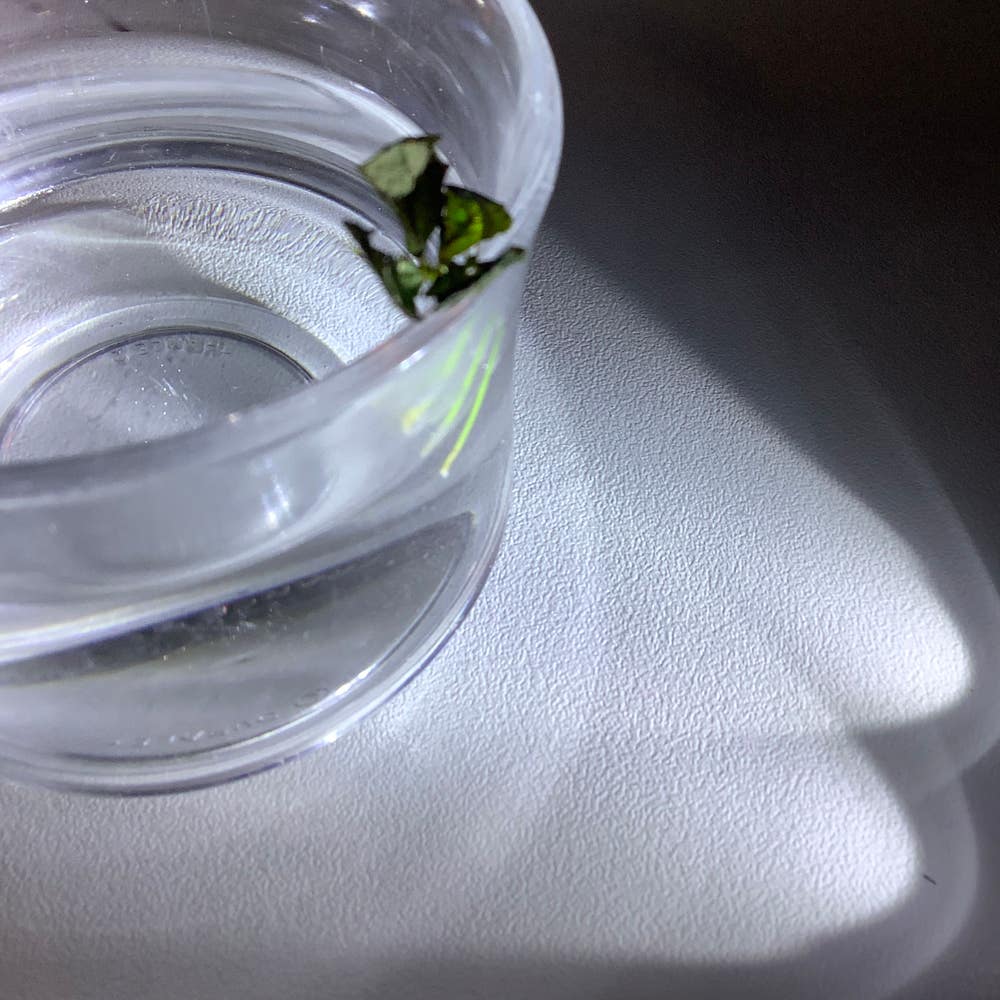
Why Are My European Waterclover Leaves Curling?
Marsilea quadrifolia
By the Greg Editorial Team
Apr 14, 2024•4 min read
This article was created with the help of AI so we can cover more plants for you. May contain errors. See one? Report it here.
Unravel the mystery behind your Waterclover's curling leaves and revive its lush allure 🍀.
- 🍂 Leaf curling signals distress, often with yellowing and brown spots.
- 💧 Test water quality regularly, consider filtered or rainwater for health.
- 🌡️ Stable environment is key: moderate light and temperature prevent curling.
Spotting Trouble: Recognizing Leaf Curling Signs
🍃 Visual Cues: Leaf Curling in European Waterclover
When your European Waterclover starts looking more origami than aquatic, it's time to sit up and pay attention. Leaves that should be flat and spread out like a fan but instead are curling into themselves are your first visual clue. This isn't a new leaf trend—it's a cry for help.
🚨 Beyond the Curl: Other Distress Signals
Leaf curling doesn't like to party alone. Yellowing, brown spots, and a general lackluster appearance often accompany the main event. If your Waterclover's leaves are starting to resemble crumpled tissue paper, it's not aiming for a textured look—it's signaling a serious SOS. Keep an eye out for these plus-ones; they're not here for a good time.
Digging into the Root Causes
🌱 Nutrient Deficiencies
Nutrient deficiencies in European Waterclover can turn leaves into curly disappointments. It's like the plant is waving a white flag, signaling a nutritional SOS.
Spotting the signs of an underwater nutrient crisis involves observing yellowing or pale leaves, often a distress call for nitrogen. Stunted growth? Your Waterclover might be phosphorus-starved.
💧 Water Quality Woes
Water quality is the unsung hero or the hidden villain in the leaf curling saga. Tap water chemicals can send Waterclover leaves into a curling frenzy as a stress response.
Tackling pH and mineral mischief means testing your water and considering a switch to filtered or rainwater. It's a simple step that can prevent a world of curl.
🌿 Environmental Stress Factors
Temperature and lighting extremes can make Waterclover leaves curl up tighter than a rollie pollie. It's a plant's way of saying, "I'm not okay with this."
Overcrowding can also cramp your Waterclover's style, leading to a space squeeze that encourages leaves to curl up and hide. Give them room to breathe, and they'll thank you with flat, happy foliage.
Turning the Tide: Solutions and Prevention
🌿 Feeding Your Waterclover Right
Nutrient boosters are your first line of defense against the dreaded leaf curl. Your Waterclover is silently begging for a balanced diet. Iron, nitrogen, and potassium are like the holy trinity for aquatic plant health.
🌱 Picking the Right Fertilizer
Choose a fertilizer that's tailored for aquatic plants. Aquatic-specific formulas are your best bet. They're designed to dissolve properly and provide nutrients without overwhelming your water with unwanted chemicals.
🌾 Fertilizer Dos and Don'ts
Less is more when it comes to fertilizing. Overdoing it can lead to nutrient burn or even algae blooms. Stick to the recommended dosage on the label, and observe how your Waterclover responds before considering an increase.
💧 Water Quality Makeover
Water quality isn't just about clarity; it's about chemistry. pH levels, mineral content, and dissolved oxygen all play crucial roles in your plant's well-being.
🧪 Testing 1-2-3
Get yourself a reliable water testing kit. Regular testing will help you keep track of pH and mineral levels. Aim to maintain a pH between 6.5 and 7.5, which is the sweet spot for most aquatic plants.
🌊 The Lowdown on Water Changes
Regular water changes can prevent a multitude of sins. By swapping out a portion of your tank's water regularly, you're diluting any nasties and giving your Waterclover a fresh lease on life.
🌱 Creating the Perfect Environment
Your Waterclover doesn't ask for much—a stable environment where it can thrive. But getting that stability right is where the magic happens.
🌡️ Setting the Thermostat
Temperature fluctuations are like kryptonite to your aquatic friend. Stable temperatures are key. If your tank is prone to temperature swings, consider a heater or chiller to keep things steady.
💡 The Right Amount of Light
Light is life, but the right amount is a balancing act. Too much light and you're in algae city; too little and your Waterclover is left groping in the dark. Aim for moderate lighting that mimics a natural day cycle.
⚠️ Safety First
This content is for general information and may contain errors, omissions, or outdated details. It is not medical, veterinary advice, or an endorsement of therapeutic claims.
Always consult a qualified healthcare professional before using any plant as food, medicine, or supplement.
Never eat any plant (or feed one to pets) without confirming its identity with at least two trusted sources.
If you suspect poisoning, call Poison Control (800) 222-1222, the Pet Poison Helpline (800) 213-6680, or your local emergency service immediately.
Spotted an error? Please report it here.
Ensure your European Waterclover enjoys a stable 🌡️ environment with Greg's custom care reminders, preventing leaf curling and promoting lush growth.