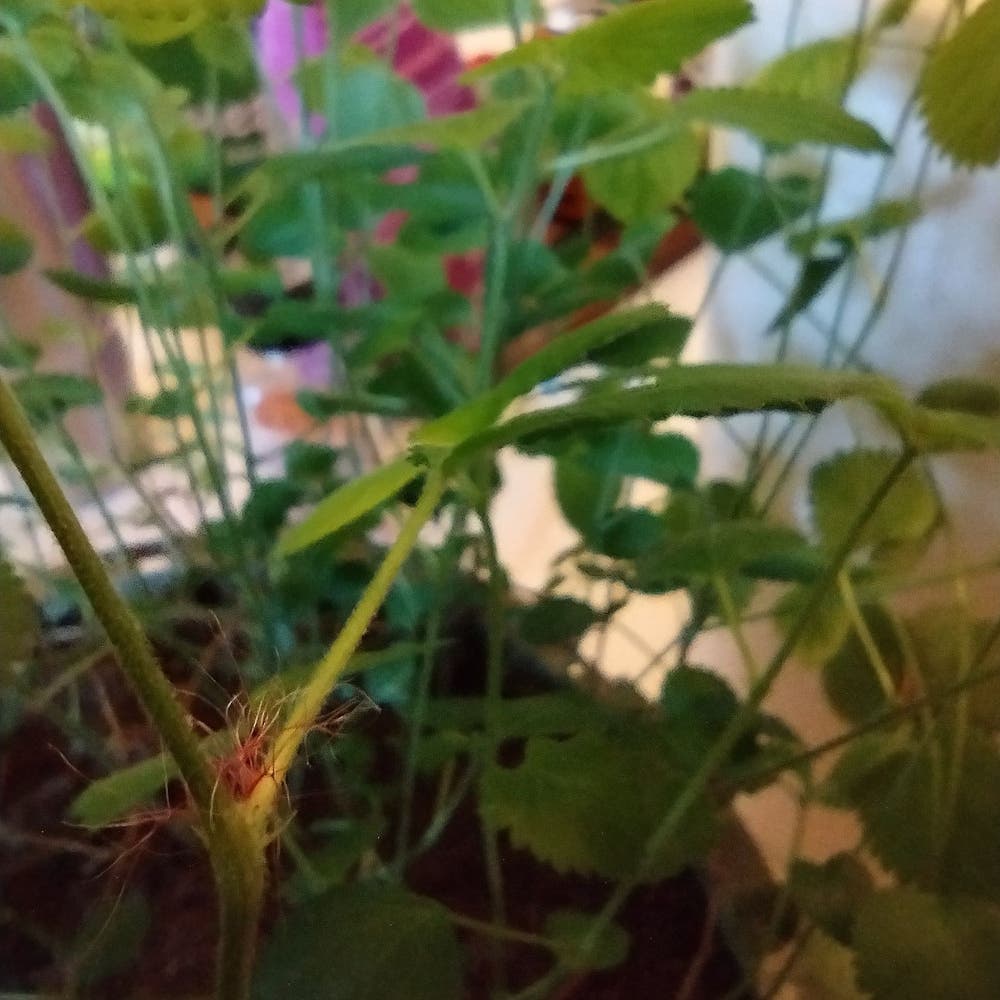
Why Are My Copperleaf Leaves Mushy?
Acalypha wilkesiana
By the Greg Editorial Team
Feb 06, 2024•3 min read
This article was created with the help of AI so we can cover more plants for you. May contain errors. See one? Report it here.
Prevent Copperleaf mushiness 🍂 by pinpointing and tackling its soggy leaf culprits!
- 🌱 Overwatering leads to mushy leaves; check soil before watering.
- 🍄 Dark spots signal fungal issues; use fungicides and improve air circulation.
- 🚿 Well-draining soil and pots prevent root rot and future sogginess.
Spotting the Trouble: Signs Your Copperleaf is Unhappy
🌊 Overwatering Symptoms
Waterlogged soil can turn your Copperleaf's leaves into a mushy mess, a clear sign of overindulgence in watering. When the foliage wilts, it's the plant's way of saying it's had more than its fill.
🍄 Telltale Fungal Infection Signs
Dark spots and discoloration on leaves are not just blemishes; they're red flags for fungal infections. Softening leaves are often the next chapter in this soggy story, indicating that your plant's health is on the decline.
🚨 Root Rot Red Alerts
Compromised roots will often send a distress signal to the leaves. If you notice a general decline in leaf health, it's time to check the roots for rot, as they are the lifeline of your Copperleaf.
Turning Things Around: Fixing Mushy Leaves
💧 Fine-Tuning Your Watering Game
Overwatering is the fast track to mushy leaves. Check the soil's top inch; if it's dry, give your Copperleaf a drink. Otherwise, hold off. Use a moisture meter for precision, or trust the old finger test.
🌱 Soil and Drainage Makeover
Repotting is your plant's new lease on life. Ditch the soggy soil for a mix that's light and airy—think peat, perlite, and pine bark. Ensure your pot has drainage holes; terracotta is a bonus for wicking away moisture.
🍄 Fungal Foes: Fighting Back
Fungicides are your Copperleaf's ally. Apply as directed, and don't forget to improve air circulation. A fan can help, and so can spacing out your plants. Humidity control is crucial—keep it balanced.
🌿 Root Rot Rehab
When root rot hits, it's time for surgery. Trim the blackened roots with sterilized shears. Post-op care includes a well-draining soil and a cautious return to watering. Keep the soil as dry as a good joke until recovery signs show.
Keeping It Right: Preventing Future Sogginess
💧 Water Wisdom: Less is Often More
Dry spells between watering are your Copperleaf's best friend. Let the topsoil's thirst build a bit; it encourages deeper root growth and resilience. For those who love reminders, don't shy away from setting alerts to check soil moisture—better safe than soggy.
Watering tools are your allies in the fight against mushiness. A moisture meter can be a game-changer, offering a no-guess snapshot of when it's time to water. If you're old school, the finger test still works—dry past the first inch? Go ahead and quench that thirst.
🌱 Proactive Potting Practices
Choosing the right pot is a commitment to your plant's future. Ensure it has drainage holes; they're the escape route for excess water. As for the soil, think 'Goldilocks': a mix that's just right, balancing moisture retention with good drainage.
When to amend your potting mix? Listen to your plant. If it's not thriving, consider tweaking the soil composition. Add perlite or sand to increase drainage, or organic matter to hold moisture if you're in a drier climate. It's like updating your plant's living situation for its evolving needs.
🛡️ Staying One Step Ahead of Disease
Cleanliness is next to plant godliness. Keep the foliage and surrounding area free of debris to discourage pests and disease. A clean plant is a happy plant, less likely to succumb to the dreaded mush.
Preventive fungicidal treatments can be like a vaccine for your plant—administered before problems arise. If your Copperleaf has a history of fungal issues, consider a preemptive strike during the high-risk, humid seasons. Just ensure you're using the right product for the job.
⚠️ Safety First
This content is for general information and may contain errors, omissions, or outdated details. It is not medical, veterinary advice, or an endorsement of therapeutic claims.
Always consult a qualified healthcare professional before using any plant as food, medicine, or supplement.
Never eat any plant (or feed one to pets) without confirming its identity with at least two trusted sources.
If you suspect poisoning, call Poison Control (800) 222-1222, the Pet Poison Helpline (800) 213-6680, or your local emergency service immediately.
Spotted an error? Please report it here.
Avoid the pitfalls of overwatering and nurture your Copperleaf 🌱 with Greg's custom watering schedule and health check reminders, tailored to keep those leaves firm and fabulous.