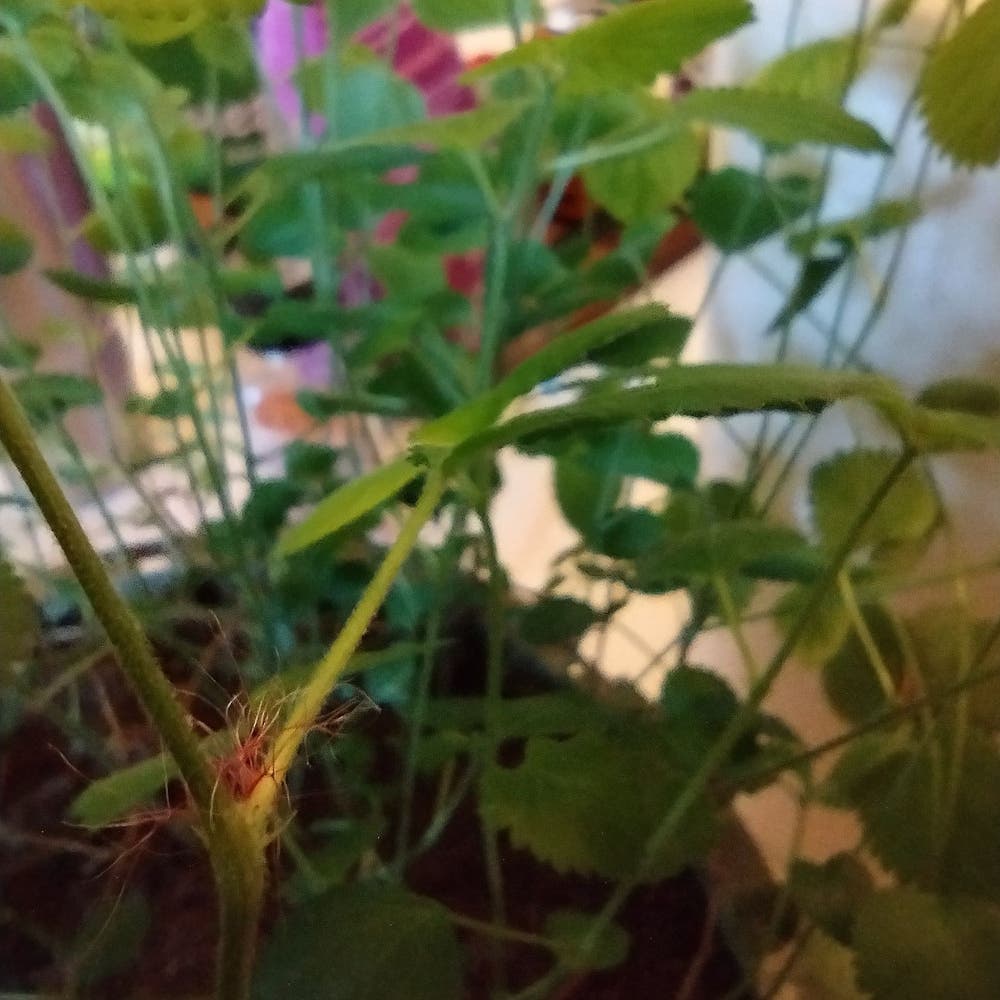
7 Steps to a Healthy Indoor Common Copperleaf 🍂
Acalypha wilkesiana
By the Greg Editorial Team
Oct 14, 2024•5 min read
This article was created with the help of AI so we can cover more plants for you. May contain errors. See one? Report it here.
Elevate your indoor garden with a flourishing Common Copperleaf by mastering its care needs! 🌿
- 🌞 Common Copperleaf needs 6-8 hours of bright, indirect sunlight for optimal growth.
- 💧 Water thoroughly, allowing soil to dry; yellow leaves indicate overwatering, crispy edges underwatering.
- 🌿 Maintain humidity between 50-70% and prune regularly for a healthy Copperleaf.
Light Requirements
Ideal Conditions for Indoor Growth 🌞
To thrive indoors, your Common Copperleaf needs bright, indirect sunlight for about 6-8 hours each day. Direct sunlight can scorch the leaves, so it's crucial to find that sweet spot where the light is bright but not overwhelming.
Role of Grow Lights 💡
When natural light falls short, grow lights become your best friend. They supplement light, especially in those dim corners of your home.
Best Options
- LED Grow Lights: These are energy-efficient and have a long lifespan, making them a smart choice for plant lovers.
- Full-Spectrum Lights: These mimic natural sunlight, providing the full spectrum of light that your plant craves for optimal growth.
Placement Tips
Position your grow lights 12-24 inches above your plant to ensure they receive adequate light without the risk of burning. This distance helps maintain the right balance for healthy growth.
With the right light conditions established, your Common Copperleaf will flourish, setting the stage for its watering needs next.
Watering Needs
Frequency and Amount 🌊
To keep your indoor Copperleaf thriving, it's crucial to establish a consistent watering schedule. Allow the top 1-2 inches of soil to dry out between waterings, ensuring you don’t drown your plant.
When you do water, do so thoroughly until it drains from the bottom. This ensures that the roots receive adequate moisture without sitting in waterlogged soil.
Signs of Overwatering and Underwatering 🚨
Understanding the signs of overwatering and underwatering can save your plant from distress. If you notice yellowing leaves, wilting, or root rot, these are clear indicators of overwatering.
On the flip side, crispy leaf edges and drooping leaves signal that your Copperleaf is thirsty. Keeping an eye on these signs will help you maintain a healthy watering routine.
By mastering the art of watering, you set the stage for a vibrant, flourishing Copperleaf. Next, let’s explore the humidity and temperature needs to create the perfect indoor environment.
Humidity and Temperature
Optimal Levels 🌿
For your indoor Common Copperleaf, maintaining humidity between 50-70% is crucial for vibrant growth. You can achieve this by using a humidifier, placing a pebble tray filled with water beneath the pot, or simply grouping your plants together to create a mini ecosystem.
Temperature Range 🌡️
The ideal temperature for your Copperleaf lies between 65°F to 85°F (18°C to 29°C). Be mindful to shield your plant from cold drafts and sudden temperature fluctuations, as these can stress the plant and hinder its growth.
With the right humidity and temperature, your Common Copperleaf will thrive, setting the stage for the next essential aspect of its care: soil and fertilization.
Soil and Fertilization
Best Soil Types 🌱
For your indoor Copperleaf, a well-draining potting mix rich in organic matter is essential. This composition ensures that the roots receive adequate oxygen while preventing water retention that could lead to root rot.
Aim for a soil pH that is slightly acidic to neutral, ideally between 6.0 and 7.0. This range supports optimal nutrient absorption, keeping your plant healthy and vibrant.
Fertilization Schedule 📅
During the growing season, plan to fertilize your Copperleaf every 4 to 6 weeks. This regular feeding helps provide the nutrients necessary for robust growth.
You can choose between a balanced liquid fertilizer or slow-release granules. Both options work well, but liquid fertilizers offer a quick nutrient boost, while granules provide a steady supply over time.
Maintaining the right soil and fertilization routine is crucial for your Copperleaf's health. With these practices in place, your plant will thrive, setting the stage for the next steps in its care.
Common Issues and Maintenance
🐛 Pests and Diseases
Common Pests
Indoor Copperleaf plants can attract pests like aphids, spider mites, and mealybugs. Identifying these pests early is crucial; look for sticky residue, webbing, or white cotton-like clusters on your plants.
To control these pests, consider using neem oil or insecticidal soap. Both are effective and safe options that can help keep your plants healthy without harsh chemicals.
Signs of Disease
Fungal infections can manifest as leaf spots or blight, signaling that your plant needs attention. If you notice these symptoms, act quickly to prevent further damage.
Treatment involves removing affected leaves and improving air circulation around the plant. If necessary, apply fungicides to combat persistent issues.
🛠️ Maintenance Tips
Pruning and Shaping
Regular pruning is essential for maintaining the shape of your Copperleaf. Aim to prune every few months to remove dead leaves and encourage new growth.
Use clean, sharp scissors for precise cuts. This not only keeps your plant looking tidy but also promotes healthier growth.
Keeping Leaves Vibrant
Dust can accumulate on leaves, dulling their vibrant colors. Wipe the leaves with a damp cloth regularly to keep them clean and shiny.
Additionally, rotating your plant ensures even light exposure, helping all sides thrive. This simple practice can make a noticeable difference in your plant's overall health.
With these maintenance tips, your indoor Copperleaf will flourish, showcasing its stunning foliage. Next, let’s explore the best soil and fertilization practices to further support your plant's growth.
⚠️ Safety First
This content is for general information and may contain errors, omissions, or outdated details. It is not medical, veterinary advice, or an endorsement of therapeutic claims.
Always consult a qualified healthcare professional before using any plant as food, medicine, or supplement.
Never eat any plant (or feed one to pets) without confirming its identity with at least two trusted sources.
If you suspect poisoning, call Poison Control (800) 222-1222, the Pet Poison Helpline (800) 213-6680, or your local emergency service immediately.
Spotted an error? Please report it here.
Keep your Common Copperleaf thriving indoors 🌱 with Greg's tailored care reminders and light tips that make plant parenting a breeze!