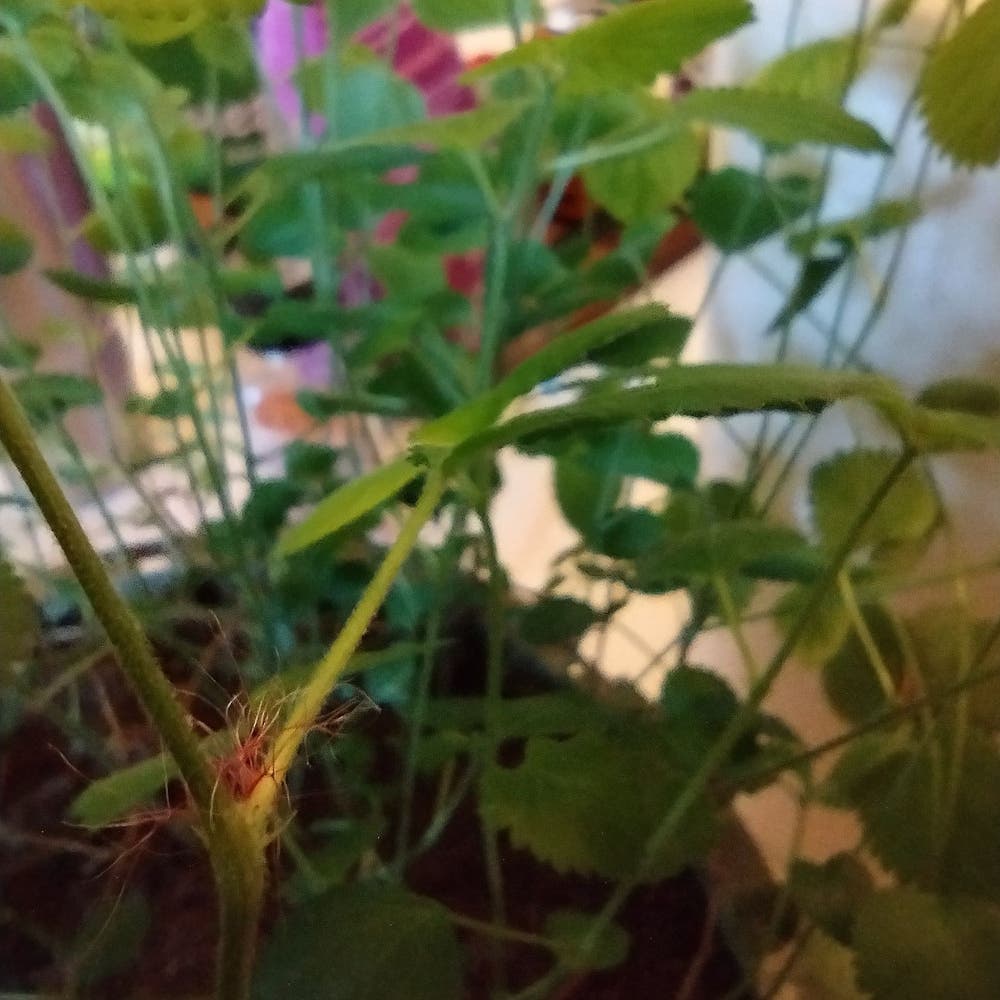
3 Tips for Healing Curling Leaves on Your Common Copperleaf 🩹
Acalypha wilkesiana
By the Greg Editorial Team
Oct 14, 2024•5 min read
This article was created with the help of AI so we can cover more plants for you. May contain errors. See one? Report it here.
Revive your Copperleaf 🌱 by quickly diagnosing and treating leaf curl for vibrant, healthy growth!
- 🌱 Leaf curl is caused by environmental stress, like overwatering or underwatering.
- 🌡️ Maintain 65°F to 85°F for optimal Copperleaf health and to prevent curling.
- 🐜 Inspect regularly for pests like spider mites to avoid significant leaf damage.
Causes of Leaf Curl
🌪️ Environmental Stress Factors
Leaf curl in your Common Copperleaf can often be traced back to environmental stress.
Overwatering
Overwatering is a common culprit, leading to yellowing leaves and soggy soil. If you notice these signs, it’s time to reassess your watering habits.
Underwatering
On the flip side, underwatering can also cause issues. Look for dry, crispy leaves and wilting as indicators that your plant needs a drink.
Temperature Fluctuations
Temperature plays a crucial role in plant health. The ideal range for your Copperleaf is between 65°F and 85°F (18°C to 29°C); extreme fluctuations can stress the plant and lead to curling leaves.
🐛 Pests and Diseases
Pests and diseases can wreak havoc on your Copperleaf, causing significant leaf curl.
Common Pests
Spider mites and aphids are the usual suspects. These pests can cause noticeable damage, so keep an eye out for their presence.
Diseases
Fungal infections are another concern. They may lead to curling and discoloration, indicating that your plant is under attack.
🥦 Nutrient Deficiencies
Nutrient deficiencies can also contribute to leaf curl, impacting the overall health of your Copperleaf.
Nitrogen Deficiency
A lack of nitrogen often results in yellowing and curling of older leaves. This deficiency can hinder your plant's growth and vitality.
Magnesium Deficiency
Magnesium deficiency manifests as interveinal chlorosis and curling. Addressing this issue promptly can help restore your plant's health.
Understanding these causes is the first step toward healing your Copperleaf. Next, we’ll explore how to diagnose the specific problem affecting your plant.
Diagnosing the Problem
🌤️ Assessing Environmental Conditions
Light Exposure
To keep your Copperleaf thriving, aim for bright, indirect light. Too much direct sunlight can scorch those vibrant leaves, leading to curling and damage.
Signs of inadequate light include stretching stems and pale leaves. If your plant looks like it's reaching for the sun, it might be time to adjust its position.
Humidity Levels
Copperleaf plants prefer humidity levels between 50-70%. Low humidity can lead to curling leaves, making it essential to monitor your environment.
Watch for brown tips and edges on leaves, which are telltale signs of low humidity. If you notice these symptoms, consider adding a humidifier or a pebble tray.
Temperature Fluctuations
Maintaining a consistent temperature is crucial for your Copperleaf's health. Keep the temperature within the ideal range of 65°F to 85°F (18°C to 29°C) and avoid drafts or sudden changes.
Regularly check your plant's location to ensure it’s not exposed to extreme temperature shifts. This simple step can prevent unnecessary stress.
🐜 Identifying Pests
Common Pests Affecting Copperleaf
Spider mites and aphids are the most common culprits when it comes to pest-related leaf curl. Spider mites leave tiny webs and cause stippling on leaves, while aphids cluster on new growth and the undersides of leaves.
Regular inspections can help catch these pests early, preventing further damage to your plant.
Signs of Infestation
To identify a pest problem, check the undersides of leaves and leaf joints for visible pests. Look for curling, discoloration, and sticky residue, which can indicate a larger infestation.
If you notice these damage patterns, it’s time to take action. Early detection is key to keeping your Copperleaf healthy and vibrant.
By assessing environmental conditions and identifying pests, you can effectively diagnose the issues affecting your Copperleaf. This proactive approach sets the stage for successful treatment and long-term care.
Treating Curling Leaves
🚨 Immediate Actions to Take
Adjusting Watering Practices
Check soil moisture: Use your finger to gauge moisture depth (1-2 inches). This simple test helps you determine if your Copperleaf needs water.
Watering frequency: Adjust based on environmental conditions. Aim for consistent moisture without sogginess to keep your plant healthy.
Treating Pests with Insecticidal Soap
Identify the pest: Confirm the presence of spider mites or aphids. Knowing your enemy is the first step in effective treatment.
Application: Spray insecticidal soap thoroughly on affected areas, following label instructions. This will help eliminate the pests causing leaf curl.
🌱 Long-Term Solutions
Improving Soil Quality
Use well-draining potting mix: Ensure good aeration and moisture retention. A quality mix supports healthy root growth and prevents waterlogging.
Amend soil: Incorporate organic matter to enhance nutrient content. This boosts your Copperleaf's resilience against curling leaves.
Regular Fertilization Schedule
Fertilization frequency: Every 4-6 weeks during the growing season is ideal. Regular feeding helps maintain vibrant foliage.
Type of fertilizer: Opt for a balanced NPK formula (10-10-10) or organic options. This ensures your plant gets the nutrients it needs for robust growth.
By taking these immediate and long-term actions, you can effectively treat and prevent curling leaves on your Copperleaf. Next, let’s explore how to prevent future curling through best practices in care.
Preventing Future Curling
🌱 Best Practices for Copperleaf Care
Optimal Light and Humidity Conditions
To keep your Copperleaf thriving, position it in bright, indirect sunlight. Rotating the plant periodically ensures even growth and prevents leaning.
Maintaining optimal humidity is crucial. Consider using a humidifier or a pebble tray filled with water to keep humidity levels between 50-70%.
Seasonal Care Adjustments
During winter, reduce both watering and fertilization as the plant enters dormancy. This helps prevent overwatering and nutrient buildup.
In summer, increase humidity levels and keep a close eye on pests. Frequent monitoring during this active growth period can help catch issues early.
👀 Monitoring Plant Health
Regular Inspections for Pests and Diseases
Inspect your Copperleaf every 1-2 weeks for early signs of pests or diseases. A magnifying glass can be a handy tool for spotting tiny pests that might otherwise go unnoticed.
Keeping a Care Journal
Documenting your care routine is invaluable. Track watering, fertilization, and any pest treatments to identify patterns and changes in your plant's health.
Make notes on any changes in leaf condition or overall plant vitality. This practice not only helps you stay organized but also deepens your connection with your Copperleaf.
By following these preventive measures, you can ensure your Copperleaf remains healthy and vibrant, reducing the likelihood of curling leaves in the future. Next, let’s explore how to diagnose any issues that may arise.
⚠️ Safety First
This content is for general information and may contain errors, omissions, or outdated details. It is not medical, veterinary advice, or an endorsement of therapeutic claims.
Always consult a qualified healthcare professional before using any plant as food, medicine, or supplement.
Never eat any plant (or feed one to pets) without confirming its identity with at least two trusted sources.
If you suspect poisoning, call Poison Control (800) 222-1222, the Pet Poison Helpline (800) 213-6680, or your local emergency service immediately.
Spotted an error? Please report it here.
Transform your Common Copperleaf's health by tackling leaf curl with these tips, and let Greg's custom care alerts 🌱 guide you to vibrant, thriving foliage!