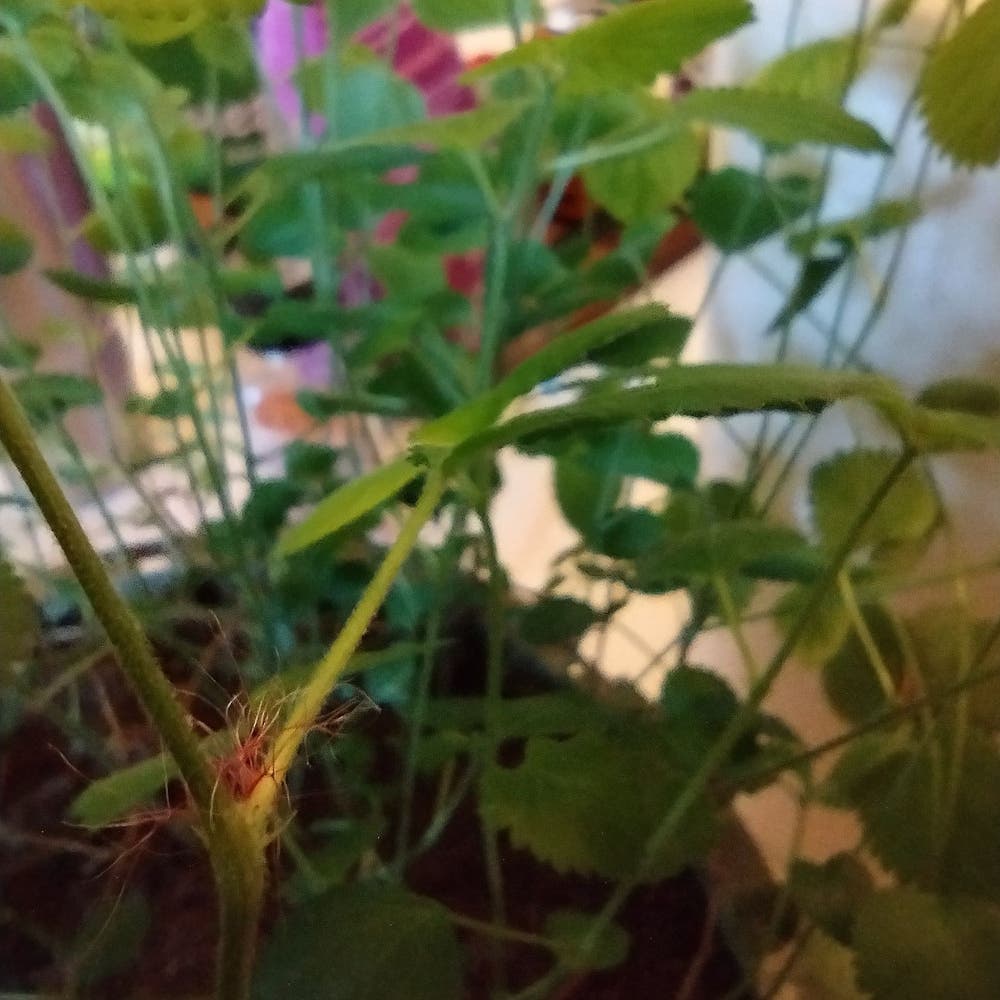
🍃 Common Copperleaf: Not an Annual
Acalypha wilkesiana
By the Greg Editorial Team
Oct 14, 2024•5 min read
This article was created with the help of AI so we can cover more plants for you. May contain errors. See one? Report it here.
Transform your garden with the resilient Common Copperleaf 🌱, thriving year-round in any climate for lasting beauty!
- 🌱 Common Copperleaf is a perennial, thriving for years, unlike typical annuals.
- 🌼 It flowers multiple times yearly, adding vibrant color to your garden.
- 🌍 Versatile in soil and light, it adapts well, enhancing diverse landscapes.
Genetic and Physiological Characteristics
Long-term Lifecycle 🌱
Common Copperleaf is a remarkable perennial that typically lives for several years. In ideal conditions, it can thrive indefinitely, making it a resilient choice for gardens.
During colder months, this plant enters a state of dormancy, conserving energy until spring when it bursts back to life. This seasonal behavior is a key characteristic of its long-term lifecycle.
Growth Patterns and Habits 🌿
The growth form of Common Copperleaf is bushy and upright, showcasing vibrant foliage that can brighten any garden. Its adaptability is impressive; it thrives in various soil types and light conditions, reinforcing its status as a perennial.
This versatility allows gardeners to incorporate it into diverse landscapes, enhancing both beauty and functionality.
Reproductive Strategies and Seed Production 🌼
One of the standout features of Common Copperleaf is its seed viability. The seeds can remain viable for extended periods, ensuring the plant can regenerate even after challenging conditions.
Unlike annuals, which produce seeds only once, Common Copperleaf has a reproductive cycle that allows it to produce seeds multiple times throughout its lifespan. This strategy not only supports its longevity but also contributes to its robust presence in the garden.
With these genetic and physiological traits, Common Copperleaf stands out as a perennial powerhouse, ready to thrive in a variety of environments. As we explore its lifecycle implications next, we’ll see how these characteristics influence its growth and flowering cycles.
Lifecycle Implications
Growth and Flowering Cycles 🌼
Common Copperleaf showcases a fascinating seasonal growth pattern. During warm months, it thrives with active growth, while in cooler months, it enters a dormant phase.
This dormancy allows the plant to conserve energy and resources. Interestingly, it may flower multiple times a year, depending on environmental conditions, adding vibrant splashes of color to your garden.
Differences in Seed Production Compared to Annuals 🌱
One of the standout features of Common Copperleaf is its prolific seed production. Unlike annuals, which produce seeds just once, this perennial continuously generates seeds throughout its lifespan.
This ongoing reproductive strategy ensures a steady supply of viable seeds. The plant employs various seed dispersal methods to enhance germination and survival, making it a resilient choice for gardeners.
In summary, understanding these lifecycle implications can help you appreciate the unique qualities of Common Copperleaf. This knowledge sets the stage for effective garden design and planting strategies, which we will explore next.
Regional Variations and Misconceptions
Conditions Where It May Be Treated as an Annual 🌱
In cooler climates, the Common Copperleaf often experiences dieback during winter. However, it typically makes a robust comeback in spring, showcasing its perennial nature.
Many gardeners mistakenly treat it as an annual due to this seasonal dieback. This misinterpretation can lead to unnecessary replanting, missing out on the plant's long-term benefits.
Exceptions in Different Climates or Regions 🌍
The performance of Common Copperleaf can vary significantly between tropical and temperate zones. In tropical regions, it thrives year-round, while in temperate areas, its growth may be more seasonal.
This adaptability reinforces its classification as a perennial. Regardless of the environment, its ability to flourish in diverse conditions makes it a valuable addition to any garden.
Understanding these regional variations can help gardeners appreciate the true nature of Common Copperleaf, ensuring they treat it with the respect it deserves.
As we explore garden design and planting strategies next, consider how this resilient plant can enhance your landscape.
Garden Design and Planting Strategies
🎨 Advantages in Perennial Gardens
Common Copperleaf is a standout choice for perennial gardens. Its vibrant foliage injects color and texture, creating visual interest throughout the growing season.
Moreover, this plant's longevity means it can be a stable presence in your garden design. Unlike annuals, which require replanting each year, Common Copperleaf thrives over multiple seasons, making it a reliable option for gardeners.
🌱 Planning with Perennials in Mind
When designing your garden, consider companion planting with other perennials. This strategy creates a cohesive look, enhancing the overall aesthetic and health of your garden.
Incorporating Common Copperleaf also ensures seasonal interest. Its ability to flourish year-round allows for a dynamic garden that changes with the seasons, keeping your outdoor space lively and engaging.
By thoughtfully integrating Common Copperleaf into your garden design, you can enjoy a beautiful, sustainable landscape that delights throughout the year.
Management Tips for Longevity
🌱 Best Practices for Managing as a Perennial
Pruning is essential for the Common Copperleaf. Regular trimming encourages bushy growth and prevents legginess, ensuring a fuller appearance.
Watering is another critical aspect. Aim for consistent moisture without waterlogging, as this supports the plant's overall health and vigor.
🌿 Tips for Maximizing Longevity and Health
Fertilization plays a key role in the plant's growth. Use balanced fertilizers during the growing season to provide the necessary nutrients.
Pest management is vital for maintaining plant health. Conduct regular inspections and apply organic treatments as needed to keep pests at bay.
By following these management tips, you can ensure your Common Copperleaf thrives for years to come. This will not only enhance your garden's beauty but also provide a stable, vibrant presence throughout the seasons.
⚠️ Safety First
This content is for general information and may contain errors, omissions, or outdated details. It is not medical, veterinary advice, or an endorsement of therapeutic claims.
Always consult a qualified healthcare professional before using any plant as food, medicine, or supplement.
Never eat any plant (or feed one to pets) without confirming its identity with at least two trusted sources.
If you suspect poisoning, call Poison Control (800) 222-1222, the Pet Poison Helpline (800) 213-6680, or your local emergency service immediately.
Spotted an error? Please report it here.
Celebrate the resilience of Common Copperleaf 🌱 by using Greg's custom watering reminders and expert tips to keep your garden vibrant and thriving for years to come!