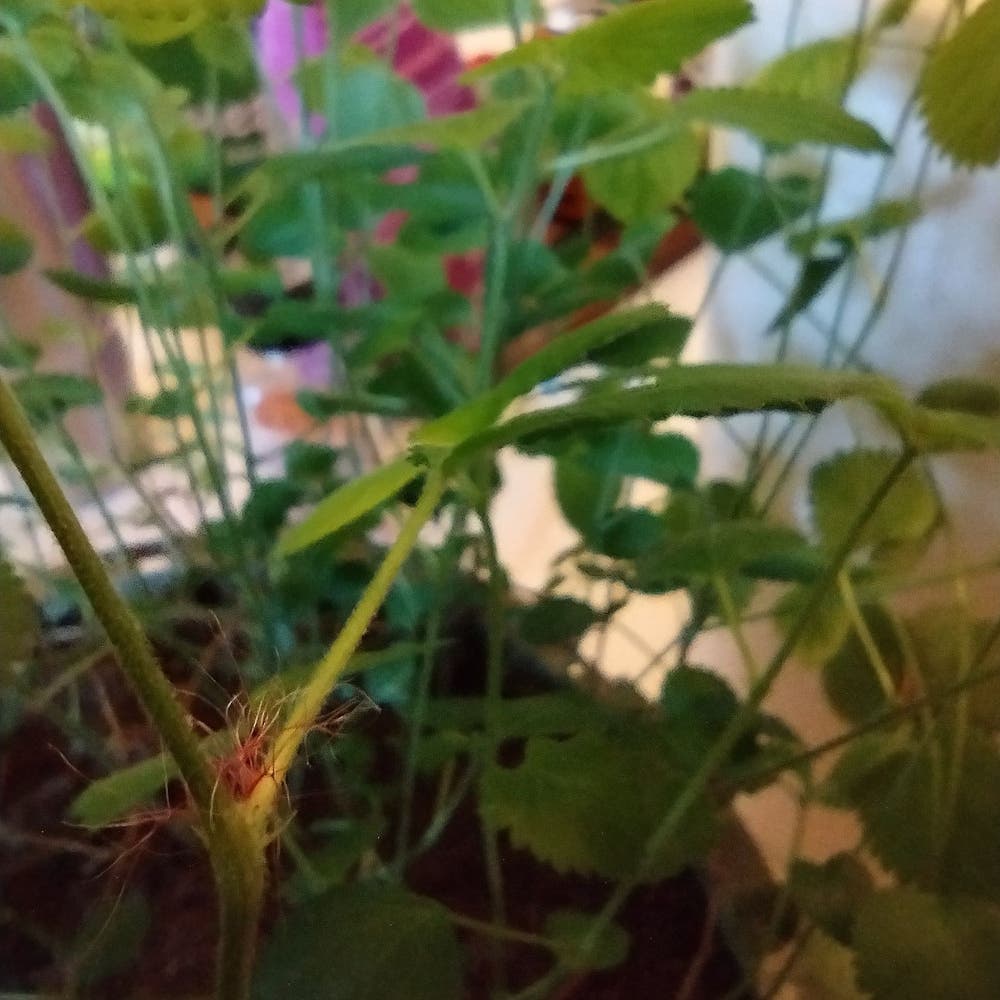
When to Repot Common Copperleaf 🪴
Acalypha wilkesiana
By the Greg Editorial Team
Oct 14, 2024•6 min read
This article was created with the help of AI so we can cover more plants for you. May contain errors. See one? Report it here.
Keep your Copperleaf vibrant 🌱 by spotting repotting signs early and timing it perfectly for success! ⏰
- 🌱 Repot when roots grow out of drainage holes or growth stagnates.
- 🏺 Choose a pot 1-2 inches larger for optimal Copperleaf growth.
- 🌞 Best time to repot is spring to early summer; avoid dormancy periods.
Signs That Copperleaf Needs Repotting
Physical Indicators 🌱
One of the first signs that your Copperleaf needs repotting is root growth. If you notice roots visibly growing out of the drainage holes, it’s time to consider a new pot.
Another indicator is stunted growth. A lack of new leaves or a slow growth rate can signal that the plant is root-bound and needs more space.
Lastly, pay attention to the soil condition. If it dries out too quickly or retains too much moisture, your Copperleaf may be struggling in its current pot.
Environmental Factors 🌍
Next, evaluate the pot size. If the current pot feels too small for the plant's size, it’s likely time for an upgrade.
Leaf health is also a crucial factor. Yellowing leaves or wilting, despite proper care, can indicate that your Copperleaf is not thriving in its current environment.
Timing Indicators ⏰
Timing is everything when it comes to repotting. The best time to assess your Copperleaf is during the growing season, which typically runs from spring to early summer.
During this period, the plant is more resilient and better able to handle the stress of repotting. Keeping an eye on these signs will help ensure your Copperleaf remains healthy and vibrant.
Understanding when to repot is just the first step; knowing the ideal timing for the process is equally important.
Ideal Timing for Repotting Copperleaf
🌱 Seasonal Considerations
The best time to repot your Copperleaf is during spring or early summer. This is when the plant is actively growing, making it more resilient to the stress of repotting.
Avoid repotting during dormancy, which typically occurs in fall and winter. Doing so can hinder growth and lead to complications.
🌡️ Environmental Conditions
Temperature plays a crucial role in successful repotting. Ensure that temperatures are consistently above 60°F (15°C) to promote healthy root development.
Humidity is another key factor. Higher humidity levels during repotting can help your Copperleaf adjust more easily to its new environment.
By timing your repotting correctly, you set your Copperleaf up for success, ensuring it thrives in its new pot. Next, let’s explore how often you should consider repotting your Copperleaf.
Frequency of Repotting for Copperleaf
🌱 General Guidelines
Repotting your Copperleaf is generally recommended every 1-2 years. This timeframe can vary based on the plant's growth rate and overall health.
If you notice rapid growth or your plant becoming root-bound, it may be time to repot sooner. Keeping an eye on these signs ensures your Copperleaf thrives.
📏 Factors Influencing Frequency
The size of your Copperleaf plays a significant role in how often it needs repotting. Larger plants tend to outgrow their pots more quickly, necessitating more frequent repotting.
Soil quality is another crucial factor. As potting soil degrades over time, it may lose its ability to retain moisture and nutrients, prompting an earlier repotting.
By staying attentive to these factors, you can keep your Copperleaf healthy and vibrant.
Next, let’s explore the step-by-step guide to repotting your Copperleaf effectively.
Step-by-Step Guide to Repotting Copperleaf
Repotting your Copperleaf can seem daunting, but with the right steps, it can be a smooth process. Let’s break it down into manageable parts.
🛠️ Preparation Steps
Gather materials: Before you start, collect a new pot, Copperleaf potting soil, gardening gloves, and your tools. Having everything on hand will make the process much easier.
Water the plant: Water your Copperleaf thoroughly 1-2 days before repotting. This helps ease root removal and reduces stress on the plant.
Choose the right pot size: Select a new pot that is 1-2 inches larger in diameter than the current one. This gives your plant room to grow without being overwhelmed.
🌱 Repotting Process
Remove the plant: Gently slide the Copperleaf out of its current pot. Be careful not to damage the roots during this step.
Inspect the roots: Check for root health. Trim any damaged or excessively long roots to encourage healthy growth.
Prepare the new pot: Add a layer of Copperleaf potting soil at the bottom of the new pot. This will provide a good foundation for your plant.
Position the plant: Place the Copperleaf in the center of the new pot. Fill in around the roots with soil, ensuring they are fully covered.
Water thoroughly: After repotting, water the plant well. This helps settle the soil and eliminates any air pockets that could harm the roots.
By following these steps, you can ensure a successful repotting experience for your Copperleaf. This not only promotes healthy growth but also enhances the overall beauty of your plant.
Next, let’s explore the best pot material options for your Copperleaf to further optimize its growth environment.
Pot Material Options for Copperleaf
Best Pot Materials 🌱
Choosing the right pot material is crucial for your Copperleaf's health.
Terracotta: This classic option excels in drainage. It allows the soil to dry out between waterings, preventing root rot.
Plastic: Lightweight and easy to handle, plastic pots retain moisture well. They’re perfect for beginners who might be learning the ropes of plant care.
Pot Materials to Avoid 🚫
Not all pots are created equal, and some can harm your plant.
Metal: While stylish, metal pots can overheat, damaging roots and leading to poor drainage.
Non-breathable materials: These can trap moisture, increasing the risk of root rot. Avoid them to keep your Copperleaf thriving.
Benefits of Using Terracotta vs. Plastic Pots ⚖️
Understanding the benefits of each material can help you make an informed choice.
Terracotta: This material promotes air circulation and moisture control, making it ideal for plants that prefer drier conditions.
Plastic: On the other hand, plastic pots are easier to manage and less likely to break, which is a plus for those who might be a bit clumsy.
Choosing the right pot material can significantly impact your Copperleaf's growth and overall health. With the right pot, you set the stage for a flourishing plant that brings vibrant life to your space.
Next, let’s dive into the common problems you might encounter during the repotting process.
Common Problems During Repotting
🪴 Issues with Root Damage
Repotting can sometimes lead to root damage, which is a common concern for many plant enthusiasts. Signs of damage include broken roots and excessive wilting, indicating that the plant is under stress.
To prevent this, handle the roots gently during the process. Avoid excessive pulling, as this can cause unnecessary harm and lead to longer recovery times.
😩 Signs of Stress After Repotting
After repotting, your Copperleaf may exhibit signs of stress. One of the most noticeable indicators is leaf drop, where the plant suddenly loses leaves.
Discoloration, such as yellowing or browning of leaves, can also occur. These symptoms often signal that the plant is struggling to adapt to its new environment.
🛠️ Solutions for Common Problems
If you notice stress signs, don’t panic. Providing optimal humidity and light conditions can help your Copperleaf recover more quickly.
Additionally, reassess your watering practices. Overwatering or underwatering can exacerbate stress, so finding the right balance is crucial for your plant's health.
By being mindful of these common issues, you can ensure a smoother repotting experience for your Copperleaf. With the right care, your plant will thrive in its new home.
⚠️ Safety First
This content is for general information and may contain errors, omissions, or outdated details. It is not medical, veterinary advice, or an endorsement of therapeutic claims.
Always consult a qualified healthcare professional before using any plant as food, medicine, or supplement.
Never eat any plant (or feed one to pets) without confirming its identity with at least two trusted sources.
If you suspect poisoning, call Poison Control (800) 222-1222, the Pet Poison Helpline (800) 213-6680, or your local emergency service immediately.
Spotted an error? Please report it here.
Repot your Copperleaf at the perfect time for vibrant growth 🌱 with Greg's tailored reminders and expert care tips that make every repotting a success!