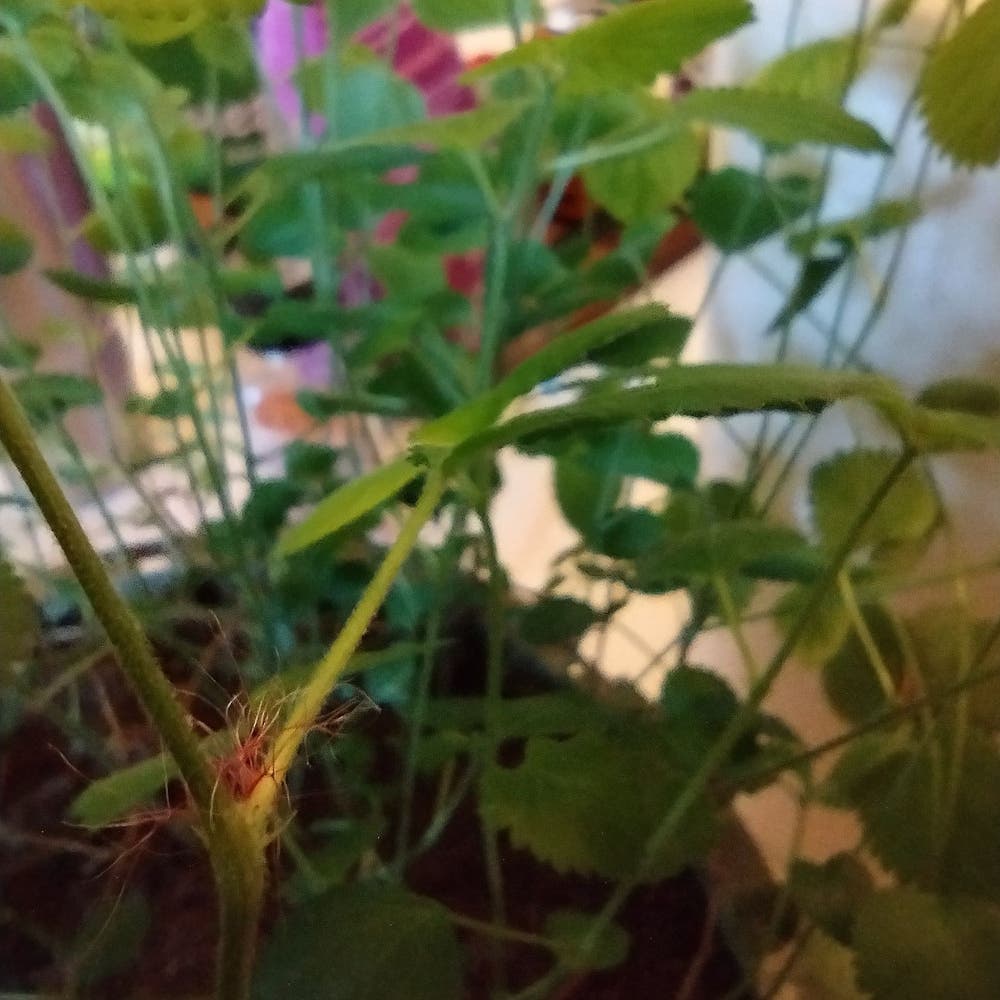
🍃 How to Fix Dropping Leaves on Your Common Copperleaf
Acalypha wilkesiana
By the Greg Editorial Team
Oct 14, 2024•4 min read
This article was created with the help of AI so we can cover more plants for you. May contain errors. See one? Report it here.
Revive your Copperleaf 🌿 with simple care tips to prevent leaf drop and ensure vibrant growth!
- 🌱 Leaf drop signals overwatering or underwatering; adjust watering accordingly.
- ☀️ Bright, indirect sunlight is crucial for preventing leaf drop in Copperleaf.
- 💧 Humidity above 50% promotes healthy growth; use humidifiers in dry conditions.
Diagnosing Leaf Drop
Identifying Symptoms 🌿
When your Copperleaf starts dropping leaves, the first step is to identify the symptoms. Look for changes in leaf color; yellowing can indicate overwatering, while browning might suggest underwatering.
Next, pay attention to leaf shape alterations. If the leaves appear droopy or curled, it could signal stress from environmental factors or pests.
Assessing Environmental Conditions 🌤️
Evaluating the environmental conditions is crucial for your plant's health. Copperleaf thrives in humidity levels of 50% or higher, so consider using a humidifier if your home is dry.
Light is another key factor. Ensure your plant receives bright, indirect sunlight to promote healthy growth and prevent leaf drop.
Soil Testing for Nutrient Levels 🧪
Soil testing is essential for understanding your Copperleaf's nutrient needs. The ideal pH range for Copperleaf is between 6.0 and 7.0, which supports optimal nutrient absorption.
You can easily test your soil using nutrient testing kits available at garden centers. These kits will help you determine if your soil is lacking essential nutrients.
Checking for Pests 🐜
Inspecting for pests is a vital step in diagnosing leaf drop. Look under the leaves and at the stem joints, as pests often hide in these areas.
For smaller pests, using a magnifying glass can be incredibly helpful. This close inspection can reveal issues that might otherwise go unnoticed, allowing for timely intervention.
By thoroughly diagnosing these factors, you can take the necessary steps to restore your Copperleaf's health and vitality. Next, let’s explore effective solutions to address these issues.
Solutions for Leaf Drop
🌊 Adjusting Watering Practices
Watering your Copperleaf correctly is crucial for its health. The frequency should vary based on the season and environmental conditions, ensuring the soil remains moist but not soggy.
To check soil moisture, use the finger test by inserting your finger 1-2 inches deep into the soil. Alternatively, a moisture meter can provide a more precise reading, helping you avoid over or under-watering.
🌱 Fertilization Techniques
Choosing the right fertilizer can make a significant difference in your Copperleaf's vitality. Balanced NPK fertilizers are ideal, but organic options like compost and worm castings can also nourish your plant effectively.
Apply fertilizer every 4-6 weeks during the growing season to keep your Copperleaf thriving. This regular feeding will support robust growth and vibrant foliage.
🐛 Pest Management Strategies
Pests can be a hidden threat to your Copperleaf. Employ organic pest control methods such as neem oil and insecticidal soap to combat infestations without harsh chemicals.
Regular inspections are key to early intervention. By checking your plant routinely, you can catch any pest problems before they escalate.
🌬️ Environmental Adjustments
💧 Humidity Control
Copperleaf plants thrive in higher humidity levels. To increase humidity, consider using a humidifier or placing pebble trays filled with water near your plants.
These methods can create a more favorable environment, helping to prevent leaf drop and promoting lush growth.
☀️ Light Management
Light exposure is another critical factor. If your Copperleaf isn't getting enough light, consider moving it to a brighter location or using grow lights to supplement natural light.
Proper lighting will enhance its color and overall health, making it a stunning addition to your space.
🌡️ Temperature Regulation
Maintaining stable temperatures is essential for your Copperleaf's well-being. Avoid placing it near drafts or heat sources, as fluctuations can stress the plant.
Creating a consistent environment will help your Copperleaf flourish, reducing the likelihood of leaf drop.
By implementing these solutions, you can effectively address leaf drop issues and nurture a healthy, vibrant Copperleaf. Next, let’s explore preventative measures to keep your plant thriving year-round.
Preventative Measures
Regular Monitoring of Plant Health 🌱
Routine checks are essential for keeping your Copperleaf healthy. Aim for weekly inspections to catch any pests or changes in leaf condition early.
Seasonal Care Tips 🌦️
Adjusting your care routine with the seasons can make a big difference. Increase watering during the summer months and reduce it in winter to match the plant's needs.
Best Practices for Soil and Water Management 💧
Choosing the right soil is crucial. Opt for a well-draining potting mix to prevent root issues and ensure your Copperleaf thrives.
Watering techniques also play a vital role. Use methods that allow the soil to dry slightly between waterings, promoting healthy root growth.
Choosing the Right Location for Your Copperleaf 🏡
Placement can significantly impact your plant's health. For indoor plants, aim for bright, indirect light to keep them vibrant.
Outdoors, select sheltered spots that protect your Copperleaf from harsh conditions. This simple step can enhance its resilience and beauty.
By implementing these preventative measures, you can ensure your Copperleaf remains healthy and vibrant, setting the stage for a flourishing plant. Next, let’s explore how to adjust your care practices based on seasonal changes.
⚠️ Safety First
This content is for general information and may contain errors, omissions, or outdated details. It is not medical, veterinary advice, or an endorsement of therapeutic claims.
Always consult a qualified healthcare professional before using any plant as food, medicine, or supplement.
Never eat any plant (or feed one to pets) without confirming its identity with at least two trusted sources.
If you suspect poisoning, call Poison Control (800) 222-1222, the Pet Poison Helpline (800) 213-6680, or your local emergency service immediately.
Spotted an error? Please report it here.
Keep your Copperleaf thriving 🌿 by using Greg's tailored care tips and reminders to master its humidity, light, and watering needs for a vibrant, leaf-filled plant!