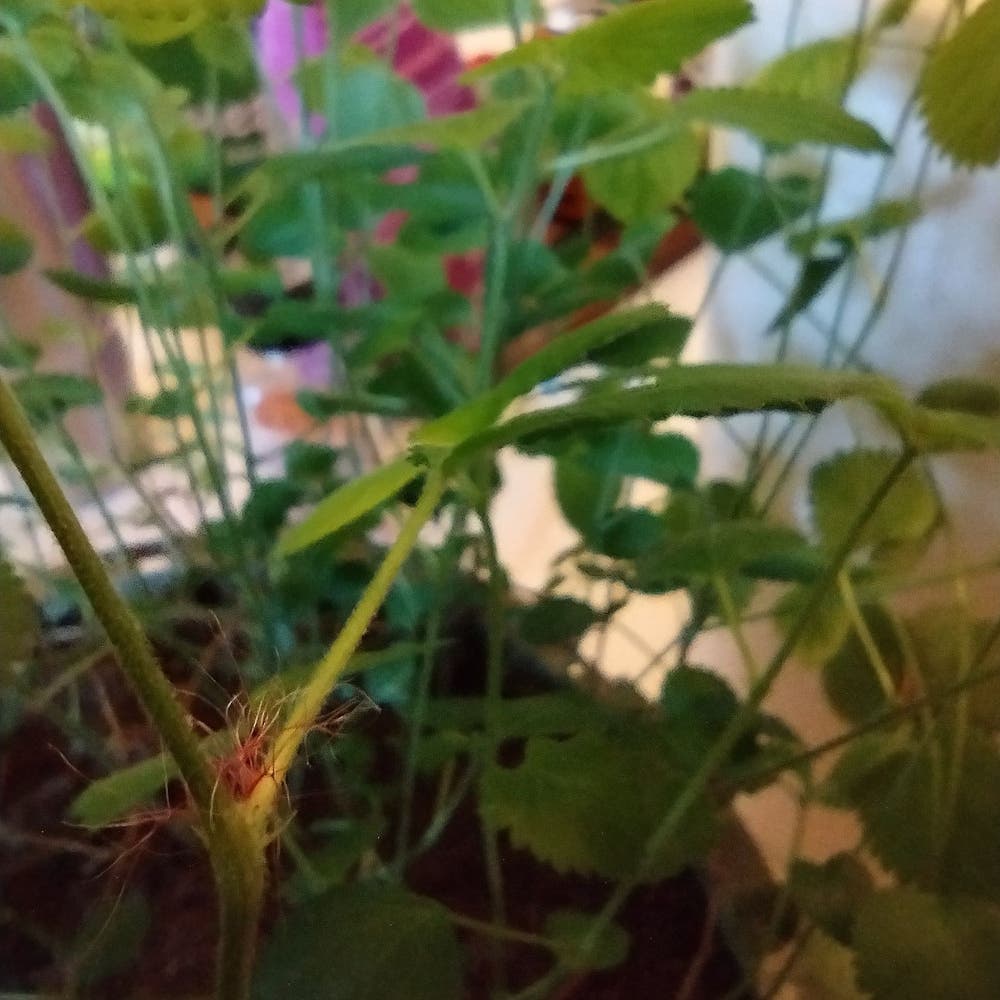
What Is The Best Way To Water a Copperleaf?
Acalypha wilkesiana
By the Greg Editorial Team
Feb 06, 2024•3 min read
This article was created with the help of AI so we can cover more plants for you. May contain errors. See one? Report it here.
Nurture a vibrant copperleaf by mastering its ideal watering routine, tailored to every season. 🌱⏳
- Dry soil and drooping leaves? Time to water your copperleaf.
- Deep watering equals strong roots, but beware of overwatering risks.
- Seasonal adjustments are key: more in summer, less in winter.
When to Water Your Copperleaf
💧 Spotting Thirsty Copperleaf Signs
Dry soil and drooping leaves are distress signals from your copperleaf. It's begging for a drink.
Visual cues of underwatering include leaves that feel as crispy as autumn leaves underfoot.
💡 Considering Environmental Factors
Light, temperature, and humidity aren't just small talk; they dictate your copperleaf's thirst.
Adapt your watering to the local climate; more water for more sun, less for more humidity.
Light increase: More water.
Temperature increase: More water.
Humidity increase: Less water.
Remember, a moisture meter is your secret weapon. If it reads dry, it's time for your plant to sip, not soak.
Keep an eye on the topsoil; if it's as dry as a bone, your copperleaf is parched.
How to Water Your Copperleaf Properly
💧 Deep Watering for Deep Roots
Deep watering is not just a suggestion; it's a cornerstone of robust copperleaf care. By soaking the soil until water seeps out of the pot's bottom, you're ensuring that every inch of the root system gets a drink. This method promotes a strong, expansive root network, which is the bedrock of a healthy plant.
To get it right, water until the soil can't hold any more, and then let it be. The goal is to mimic a hearty rain, where the water reaches deep into the earth, not just a surface sprinkle.
🚱 Preventing Overwatering Mishaps
Overwatering is the helicopter parenting of the plant world—it's well-intentioned but can smother your copperleaf. Recognize the signs: if your plant's leaves are turning yellow or the soil feels more like a swamp, you've gone too far.
Ensure your pot has adequate drainage. If you're in a downpour of doubt, check the soil before giving it another go. It should feel like a wrung-out sponge—damp but not dripping. Remember, it's better to underwater than to overwater; your copperleaf will thank you for erring on the side of too dry rather than too wet.
Seasonal Watering Adjustments
💧 Growing Season Galore
During the active growth periods of spring and summer, your copperleaf is like a marathon runner in the peak of training—it needs more hydration to sustain its energy. Increase watering frequency to keep up with its demands, ensuring the soil stays consistently moist but not waterlogged.
❄️ Winter Watering Wisdom
As the growth of your copperleaf slows in the cooler months, it's time to dial back on the H2O. Reduce watering significantly, allowing the soil to dry out more between sessions. This mimics the plant's natural dormant period and helps prevent the dreaded root rot.
🌡️ Adapting to Humidity and Heat
Keep a watchful eye on the thermometer and hygrometer; they're your best friends when it comes to fine-tuning your watering routine. High heat or low humidity? Your plant might be parched. Cool and moist conditions? Ease up on the watering. Adjust your approach with the finesse of a barista crafting the perfect brew—attentive to the conditions of the day.
Watering Best Practices
💧 The Right Temperature for Happy Roots
Room temperature water is essential to prevent root shock. Cold water can startle the plant's roots, leading to stress and poor health. Always let tap water sit until it reaches room temperature before watering your copperleaf.
🎯 Targeted Watering Tactics
Direct watering at the base of the plant is crucial to avoid wetting the leaves, which can lead to fungal diseases. Ensure that the water penetrates the soil to reach the roots, providing the moisture they need without leaving the plant susceptible to leaf problems.
⚠️ Safety First
This content is for general information and may contain errors, omissions, or outdated details. It is not medical, veterinary advice, or an endorsement of therapeutic claims.
Always consult a qualified healthcare professional before using any plant as food, medicine, or supplement.
Never eat any plant (or feed one to pets) without confirming its identity with at least two trusted sources.
If you suspect poisoning, call Poison Control (800) 222-1222, the Pet Poison Helpline (800) 213-6680, or your local emergency service immediately.
Spotted an error? Please report it here.
Ensure your copperleaf flourishes with Greg's adaptive watering reminders 💧, perfectly balancing moisture for every season and home environment.