
Blue Heart Tulip
Taxonomy

Tulipa 'Blue Heart'
Tulipa
Liliaceae
Liliales

How to care for Blue Heart Tulip
How often to water your Blue Heart Tulip

every 9
Blue Heart Tulip needs 0.5 cups of water every 9 when it doesn’t get direct sunlight and is potted in a 5" pot.
Use our water calculator to personalize watering recommendations to your environment or download Greg for more advanced recommendations for all of your plants.
Water 0.5 cups every
9
Finding light for Blue Heart Tulip in your home

a window
Blue Heart Tulip love being close to bright, sunny windows 😎.
Place it less than 1ft from a south-facing window to maximize the potential for growth.
Blue Heart Tulip does not tolerate low-light 🚫.
Select your region to see how the current weather in your area affects the placement of Blue Heart Tulip in your home 🏡.
How to fertilize Blue Heart Tulip

Most potting soils come with ample nutrients which plants use to produce new growth.
By the time your plant has depleted the nutrients in its soil it’s likely grown enough to need a larger pot anyway.
To replenish this plant's nutrients, repot your Blue Heart Tulip after it doubles in size or once a year—whichever comes first.
-
It’s dyeing #GardenTulip
-
Idk why my plants leaves turned yellow out of nowhere #GardenTulip
-
Tulip looking dry #GardenTulip Yellow red tulips look dry and falling, hot looking do they last?
-
My tulip has yellow leaves even after I stopped overwatering, any tips for her to stay alive longer? 🥺
-
My tulip started to welt i’m in Texas and it gets really hot here. Can they be outside ? #GardenTulip
-
How do I raise #GardenTulip how do I raise these! They are very new to me and I got them for valentines day! I just need quick advice for these beautiful tulips
-
How should I raise these beautiful tulips They are on my dresser in the front of my windows about a foot apart with a air vent kinda buy it, I got these on valentines day and I don't want them to die. And now sure what to do. They came with soil in the pot but not positive on what type of soil!I just need help and support, thank you!
-
Once it dies will it grow back? #GardenTulip
-
Yellowing tulip leaves Need help with these tulips I got for Mother’s Day. They were from the grocery store. I’m no plant expert, but I think the drainage is poor, roots are growing out the bottom, and I’ll need a new pot, but for now I want to ask what is wrong with my poor plant. I don’t want to kill it. What do I do? So far from what I’ve read online they need fertilizer… #Tulips #sickplants #GardenTulip
-
My plants still feel wet. Dried a little but still damp. Don’t want to give them more water what do you think? #GardenTulip

Care Summary for Blue Heart Tulip
Blue Heart Tulip
 Greg recommends:
 Water
Water
0.5 cups every 9 days
 Placement
< 1ft from a window
 Nutrients
Repot after 2x growth
Based on the 4” pot your plant is in, and that it doesn’t get direct sunlight.
 Trending in your area
















 Similar to Blue Heart Tulip


✨ Discover rare plants
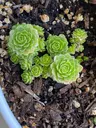
Rosularia platyphylla
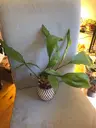
Stanhopea tigrina

Kudu Lily

Cereus peruvianus 'Pa…

Euphorbia

Hoya kalimantan

Parrot Pitcher Plant

Graptoveria 'Douglas …

Munstead Lavender

Echeveria Esther

Rhipsalis clavata

Starfish Snake Plant

Christmas Candle
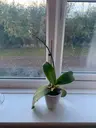
White Apple Moth Orch…

Scotch Moss

Hoya sipitangensis

Aeonium 'Blushing Bea…
