🔍 What's Eating Your Syngonium 'Maria Allusion'
Syngonium 'Maria Allusion'
By the Greg Editorial Team
Sep 30, 2024•6 min read
This article was created with the help of AI so we can cover more plants for you. May contain errors. See one? Report it here.
- 🌿 Syngonium 'Maria Allusion' features stunning variegated leaves perfect for any space.
- 🐾 Common herbivores like deer and rabbits threaten your plant; learn to identify their signs.
- 🚫 Effective deterrents include repellents and barriers to protect your Syngonium from damage.
Description and Appeal
Appearance and Attractive Parts 🌿
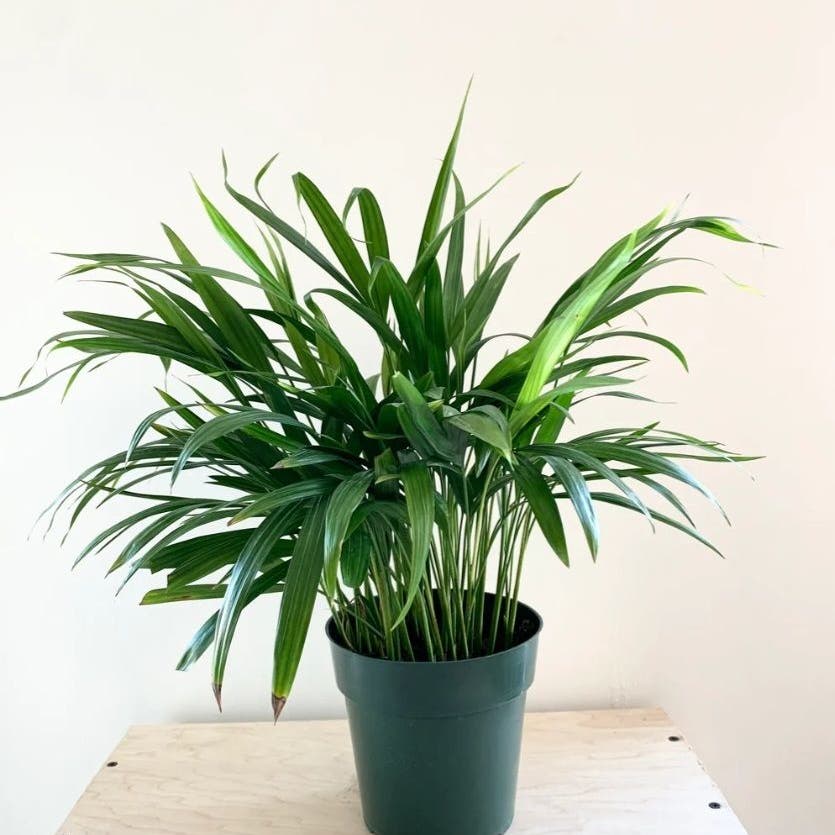
The Syngonium 'Maria Allusion' captivates with its striking variegated leaves, showcasing vibrant green and white patterns. This unique coloration not only adds visual interest but also enhances any indoor or outdoor space.
Growth Habit 🌱
This plant exhibits a climbing or trailing growth habit, creating a lush, full appearance that can transform dull corners into vibrant green havens. Its ability to adapt makes it a versatile choice for various settings, from hanging baskets to trellises.
Young Shoots and Tender Leaves 🍃
Young shoots and tender leaves are particularly appealing due to their soft texture and high moisture content. These features not only make the plant visually attractive but also contribute to its overall health and vitality.
The Syngonium 'Maria Allusion' is more than just a pretty face; it brings life and energy to any environment. As we explore the common herbivores that may threaten this beauty, understanding its appeal will help you appreciate the importance of protecting it.
Common Herbivores
🦌 Deer
Signs of Presence and Damage
Look for hoof prints in muddy areas; these are clear indicators of deer activity. Additionally, if you notice leaves stripped from the top of your Syngonium 'Maria Allusion,' it's likely deer are browsing.
Impact on the Plant
Deer can be quite harmful, often decimating foliage and stunting growth. Their voracious appetite can leave your plant looking bare and unhealthy.
Deterrent Methods
To keep deer at bay, consider using commercial deer repellents. Alternatively, erecting an 8-foot tall fence or planting deer-resistant plants nearby can be effective organic solutions.
🐇 Rabbits
Signs of Presence and Damage
Rabbits leave behind small, pellet-like droppings near your plant. You might also spot clean cuts on stems and leaves, indicating their gnawing habits.
Impact on the Plant
These furry pests can severely damage young plants, making them a significant threat. Their nibbling can stunt growth and affect overall health.
Deterrent Methods
Using rabbit repellents with strong scents can deter these critters. Additionally, barriers like chicken wire and companion planting can provide effective organic protection.
🐿️ Squirrels
Signs of Presence and Damage
Chewed leaves and stems with irregular holes are telltale signs of squirrel activity. You may also find twigs and leaves collected nearby as nesting materials.
Impact on the Plant
Squirrels can cause significant damage, leading to a decline in plant health. Their relentless chewing can disrupt growth and vitality.
Deterrent Methods
Consider using squirrel repellents containing capsaicin to keep them away. Motion-activated sprinklers and reflective objects can also serve as effective organic deterrents.
🐦 Birds
Signs of Presence and Damage
Look for small holes or missing sections in leaves, which indicate pecking. Nearby nests can also signal that birds are attracted to your plant.
Impact on the Plant
Birds have a mixed impact; while some can help control pests, others may damage foliage. It's essential to monitor their activity closely.
Deterrent Methods
If necessary, bird netting can provide a chemical solution to protect your plant. Alternatively, scare tactics like shiny objects or wind chimes can be effective organic methods.
🐭 Rodents
Signs of Presence and Damage
Gnaw marks on stems and leaves are clear signs of rodent activity. You might also find burrows near the base of your plant, indicating a nesting site.
Impact on the Plant
Rodents can cause significant damage to roots and stems, jeopardizing your plant's health. Their destructive habits can lead to severe consequences.
Deterrent Methods
Chemical solutions like rodent bait stations can help manage the problem. For a more organic approach, traps and natural deterrents like peppermint oil can be effective.
🦡 Groundhogs/Woodchucks
Signs of Presence and Damage
Look for large holes or burrows near your plant, which indicate groundhog activity. Chewed foliage, especially on lower leaves, is another sign of their presence.
Impact on the Plant
Groundhogs can be particularly harmful, often stripping plants completely. Their feeding habits can devastate your Syngonium 'Maria Allusion.'
Deterrent Methods
Commercial repellents can deter groundhogs effectively. Additionally, a 3-foot tall fence with buried edges and habitat modification can provide organic protection.
Understanding these common herbivores and their impact on your Syngonium 'Maria Allusion' is crucial for maintaining its health. By implementing effective deterrent methods, you can protect your plant and ensure it thrives.
Beneficial Animals
🐝 Description and Role
Beneficial animals play a crucial role in the health of your Syngonium 'Maria Allusion.' Pollinators like bees and butterflies are attracted to the plant's flowers, enhancing its beauty and productivity.
Predatory insects, such as ladybugs and lacewings, help control pest populations. Their presence can significantly reduce the need for chemical interventions, making your gardening efforts more sustainable.
🌍 Positive Impacts on the Ecosystem
Pollination is vital for enhancing fruit and seed production. When these beneficial animals are around, they ensure that your plants can thrive and reproduce effectively.
Additionally, the pest control provided by these creatures fosters a healthier garden environment. By keeping harmful insects at bay, they contribute to a balanced ecosystem, allowing your Syngonium to flourish without the over-reliance on chemicals.
Understanding the role of beneficial animals can transform your approach to gardening. Embracing these allies not only supports your plants but also enriches the entire ecosystem.
As we explore protection strategies next, consider how to create an environment that welcomes these helpful visitors.
Protection Strategies
🛡️ Preventive Measures
To protect your Syngonium 'Maria Allusion', consider implementing physical barriers like fencing. An 8-foot tall fence can effectively deter larger herbivores such as deer.
Companion planting is another smart strategy. By placing plants that naturally repel herbivores nearby, you can create a protective environment for your Syngonium.
Regular monitoring is crucial as well. Keep an eye out for signs of animal activity to address any issues before they escalate.
⚠️ Reactive Solutions
If you notice damage, act quickly by pruning the affected parts. This encourages new growth and helps the plant recover.
Applying repellents can also be effective. Choose between chemical options or organic solutions based on your preference and the severity of the issue.
🍂 Seasonal Variations
Be aware of seasonal changes that affect herbivore activity. In spring, rabbits and deer become more active, posing a greater threat to your plants.
Summer sees increased interactions with squirrels and birds, which can also cause damage.
As fall approaches, groundhogs prepare for winter, making them more likely to cause harm to your Syngonium.
Understanding these patterns can help you stay one step ahead in protecting your plant.
Toxicity and Ecological Role
Toxic Effects 🐾
Syngonium 'Maria Allusion' has mild toxicity, which can cause irritation in some animals if ingested. This characteristic may serve as a natural deterrent, helping to keep certain herbivores at bay.
Ecological Roles of Herbivores 🌱
Herbivores play a crucial role in nutrient cycling, contributing to soil health through their waste. They also support biodiversity by providing food for various predators, creating a balanced ecosystem.
Understanding these dynamics not only helps in protecting your Syngonium but also highlights the interconnectedness of nature. As we delve deeper into protection strategies, you'll discover how to safeguard your plant while appreciating its role in the ecosystem.
⚠️ Safety First
This content is for general information and may contain errors, omissions, or outdated details. It is not medical, veterinary advice, or an endorsement of therapeutic claims.
Always consult a qualified healthcare professional before using any plant as food, medicine, or supplement.
Never eat any plant (or feed one to pets) without confirming its identity with at least two trusted sources.
If you suspect poisoning, call Poison Control (800) 222-1222, the Pet Poison Helpline (800) 213-6680, or your local emergency service immediately.
Spotted an error? Please report it here.
Safeguard your gorgeous Syngonium 'Maria Allusion' from herbivores with smart deterrents and let Greg provide customized care tips 🌿 to ensure your plant thrives beautifully!