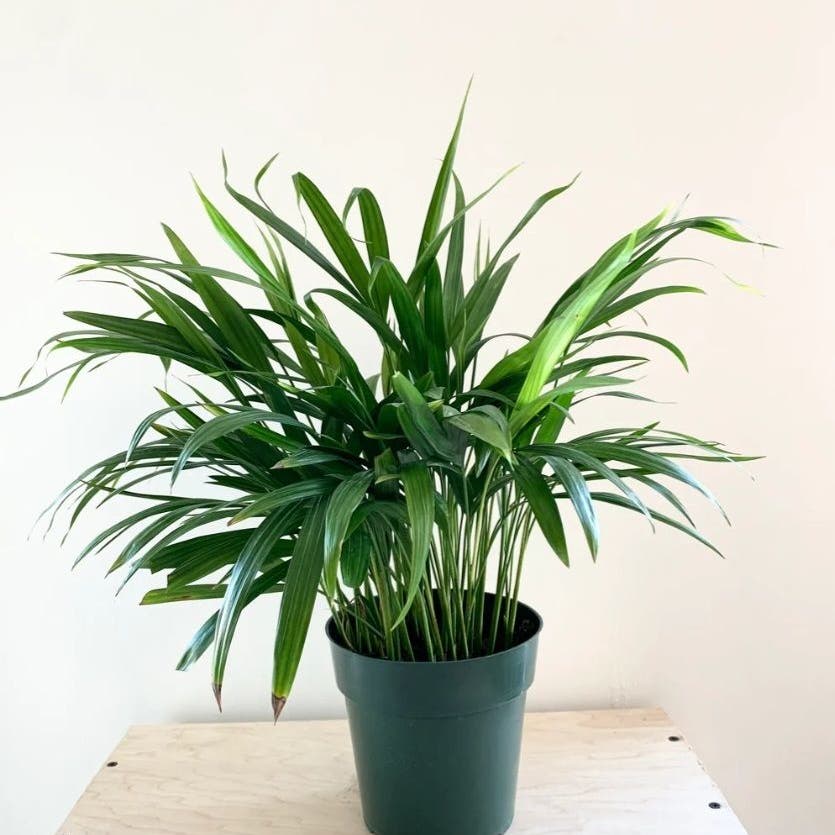
Syngonium 'Maria Allusion' - Ultimate Guide to Fertilizing
Syngonium 'Maria Allusion'
By the Greg Editorial Team
Jun 18, 2024•3 min read
This article was created with the help of AI so we can cover more plants for you. May contain errors. See one? Report it here.
- Balanced NPK ratio (10-10-10) recommended for 'Maria Allusion' health.
- Seasonal fertilizing: lush growth in spring/summer, reduce in autumn/winter.
- Avoid over-fertilization: watch for yellowing leaves, stunted growth, leaf browning.
Picking the Right Food for Your 'Maria'
💡 Understanding NPK Ratios for Syngonium
Nitrogen, phosphorus, and potassium are the trifecta of plant health for your Syngonium 'Maria Allusion'. Nitrogen ensures lush, green leaves; phosphorus contributes to strong root development and flowering; potassium bolsters overall plant function. A balanced NPK ratio, such as 10-10-10, is typically recommended for this plant, ensuring it gets all the necessary nutrients without excess.
💡 Liquid vs. Granular: Which Fertilizer Wins for 'Maria'?
Liquid fertilizers act like a quick snack, absorbed rapidly, requiring more frequent applications. Granular fertilizers, on the other hand, are the slow-release meals of the plant world, providing a steady supply of nutrients over time. Liquid fertilizers are ideal for those who can stick to a regular feeding schedule. Granular types suit those who prefer a "set it and forget it" approach. Your choice should align with your plant care routine and the specific needs of your 'Maria'.

Timing is Everything: When to Feed Your 'Maria'
🌱 Growing Season Galore
During spring and summer, Syngonium 'Maria Allusion' enters a vigorous growth phase. Fertilize every two to four weeks to support its lush foliage development. This is not a one-size-fits-all directive; observe your plant's response and adjust accordingly.
🍂 Winter Woes: Reducing Fertilizer in the Dormant Period
As autumn arrives, your 'Maria' slows down. It's time to reduce fertilizing to once every three months or even less. This is the plant's rest period; overfeeding now could do more harm than good. Keep a watchful eye on your plant's condition and tweak your approach as needed.

Feeding Your 'Maria' Without Making a Mess
💧 The Art of Dilution
Diluting liquid fertilizers is like adjusting the strength of a tea brew; it's essential for the plant's well-being. To avoid the dreaded root burn, mix your liquid fertilizer with water following the manufacturer's instructions. Typically, half-strength is a safe bet for Syngonium 'Maria Allusion'. Always apply to moist soil to ensure the nutrients are well received.
🌱 Even Spread Equals Happy Plant
Granular fertilizers need a careful hand. Sprinkle them evenly across the soil surface, avoiding direct contact with the leaves to prevent fertilizer burn. Water the granules in after application to help them dissolve and reach the roots. Remember, a little goes a long way; overfeeding is more harmful than underfeeding.

Recognizing Too Much of a Good Thing: Over-Fertilization
🚨 Spotting Trouble Early
Yellowing leaves, stunted growth, and a crusty layer of fertilizer on the soil are the plant's way of saying "I'm full." Leaf browning at the tips and margins is another cry for help. If your Syngonium 'Maria Allusion' is looking less than luscious, it might be time to reassess your feeding strategy.
🛠 Quick Fixes for Fertilizer Fiascos
If you've been heavy-handed with the plant food, stop fertilizing immediately. Flush the soil with water to wash away excess nutrients. Consider replacing the topsoil if the situation is dire. Prune any damaged foliage to help your plant focus on bouncing back. Remember, moderation is key—your 'Maria' will thrive with a balanced diet.
⚠️ Safety First
This content is for general information and may contain errors, omissions, or outdated details. It is not medical, veterinary advice, or an endorsement of therapeutic claims.
Always consult a qualified healthcare professional before using any plant as food, medicine, or supplement.
Never eat any plant (or feed one to pets) without confirming its identity with at least two trusted sources.
If you suspect poisoning, call Poison Control (800) 222-1222, the Pet Poison Helpline (800) 213-6680, or your local emergency service immediately.
Spotted an error? Please report it here.
Nurture your Syngonium 'Maria Allusion' to flourish 🌿 with Greg's custom reminders, ensuring you fertilize just right without the fuss.