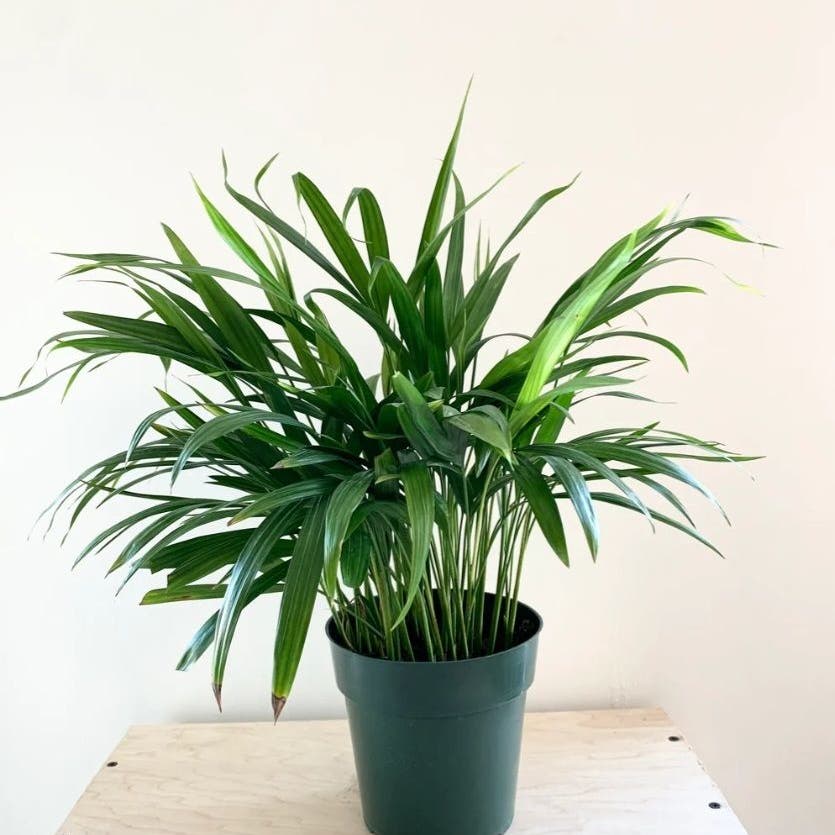
Why Is My Syngonium 'Maria Allusion' Not Doing Well?
Syngonium 'Maria Allusion'
By the Greg Editorial Team
Jun 18, 2024•5 min read
This article was created with the help of AI so we can cover more plants for you. May contain errors. See one? Report it here.
- Yellow or drooping leaves? Check watering consistency and soil moisture.
- 🌞🌡️ Bright, indirect light and stable temps keep your Syngonium happy.
- 🕵️♂️ Inspect for pests and root rot regularly to prevent damage.
Water Woes: Too Much or Too Little?
🚰 Spotting the Signs
Yellowing leaves on your Syngonium 'Maria Allusion' are not just a change in aesthetics; they're a distress signal. Over-watering often leads to a soggy mess, while under-watering leaves the soil desiccated. Drooping leaves? Your plant's way of saying it's parched. If the soil feels like a swamp, it's time to ease up on the hydration.
🌊 Finding the Balance
Consistency in watering is like the rhythm in music; without it, things just don't flow right. Check the soil before you water—aim for a moist, not wet, texture. Adapt your watering to the seasons; your plant drinks more when it's hot and less when it's cool. Think of it as a watering waltz, where timing and tempo matter.
🍃 Drainage and Soil Tips
Proper drainage is the unsung hero in the plant world. Ensure your Syngonium 'Maria Allusion' isn't sitting in water by using a pot with drainage holes. The soil should be a well-draining mix, acting like a good mattress—supportive but breathable. If over-watering is your vice, a soil switch might just be your plant's saving grace.

Light and Temperature: The Balancing Act
🌞 Light Levels: Too Much or Too Little?
Syngonium 'Maria Allusion' thrives in bright, indirect light. Direct sunlight scorches leaves, leaving brown or white spots, while insufficient light causes pale, dull foliage. If growth is leggy or leaves are wilting, your plant is likely begging for more light.
🌡️ Temperature Troubles
Temperature fluctuations can stress your Syngonium. It prefers a stable environment between 60-85°F (16-29°C). Keep it away from drafts and heat sources to avoid sudden changes that can lead to drooping leaves or halted growth.
Creating the Ideal Environment
To promote healthy growth, position your plant in a spot with consistent light and temperature. Rotate it regularly to ensure even exposure. If natural light is a gamble, consider grow lights. They're a game-changer, offering steady illumination without the risk of sunburn or shade-induced sulkiness.

Attack of the Pests and Other Nasties
🐛 Pests: The Usual Suspects
Spider mites are tiny, but their presence is betrayed by fine webbing on your plant's leaves. Aphids are small, sap-sucking insects that can cause leaves to curl and stunt growth. Mealybugs look like tiny cottony tufts and can lead to yellowing leaves.
🍄 Fungal Foes and Mold
Mold and mildew often appear as white or grayish powdery spots on leaves and stems. They thrive in high humidity and poor air circulation. Black spots on leaves and a musty smell may indicate a fungal infection.
🌱 The Dreaded Root Rot
Root rot is a silent killer, often unnoticed until it's too late. Yellowing leaves and drooping foliage are distress signals. Overwatering and poor drainage are the usual culprits, creating a soggy environment where harmful fungi flourish.
🕵️♂️ Early Detection and Action
Regular plant inspections can catch pests and diseases before they wreak havoc. If you spot signs of trouble, isolate the affected plant to prevent spreading.
🐜 Pest Control Strategies
For pests, a strong water spray or physical removal can be effective first steps. Introducing beneficial insects like ladybugs can help control aphid populations naturally. For persistent problems, consider using targeted insecticides, but always read the label carefully.
🍄 Fungal Management
Improve air circulation around your plant and reduce humidity to combat mold and mildew. Trim away affected areas and apply a fungicide if necessary. Always test a small area first to ensure your plant reacts well to the treatment.
🌱 Root Rot Rescue
If root rot is suspected, remove the plant from its pot and inspect the roots. Healthy roots are firm and white, while rotten roots are mushy and brown. Trim away any rotten roots and repot in fresh, well-draining soil. Be mindful of your watering routine to prevent a repeat scenario.

Environmental Stress: Avoiding Leaf Scorch and Other Symptoms
🚨 Leaf Scorch: A Sign of Distress
Leaf scorch in your Syngonium 'Maria Allusion' is like a red flag waving frantically, signaling that your plant is in distress. It manifests as leaves turning a pale color or the tips browning and progressing inward. Preventing leaf scorch involves shielding your plant from intense direct sunlight and ensuring it gets enough water during dry spells. Think of mulch as a superhero cape for your plant's roots—it helps retain soil moisture and keeps the roots cool.
🚦 Other Environmental Stress Signals
Your plant's leaves can tell you more than a seasoned gardener if you pay attention. If they're dropping like flies, it might be a sign of cold stress—drafty spots are a no-go. Yellow leaves might scream overwatering, but they can also be subtle hints of too much sun. Leaves that look like they've been through a toaster? Definitely sunburn. To combat these issues, keep your plant in a consistent environment—think of it as the plant equivalent of your morning coffee routine. And remember, air quality matters; pollutants are to plants what junk food is to us. Keep those leaves breathing clean air and watch your Syngonium thrive.
⚠️ Safety First
This content is for general information and may contain errors, omissions, or outdated details. It is not medical, veterinary advice, or an endorsement of therapeutic claims.
Always consult a qualified healthcare professional before using any plant as food, medicine, or supplement.
Never eat any plant (or feed one to pets) without confirming its identity with at least two trusted sources.
If you suspect poisoning, call Poison Control (800) 222-1222, the Pet Poison Helpline (800) 213-6680, or your local emergency service immediately.
Spotted an error? Please report it here.
Ensure your Syngonium 'Maria Allusion' flourishes by using Greg to monitor moisture 🌱 and adapt care routines to prevent over-watering and environmental stress.