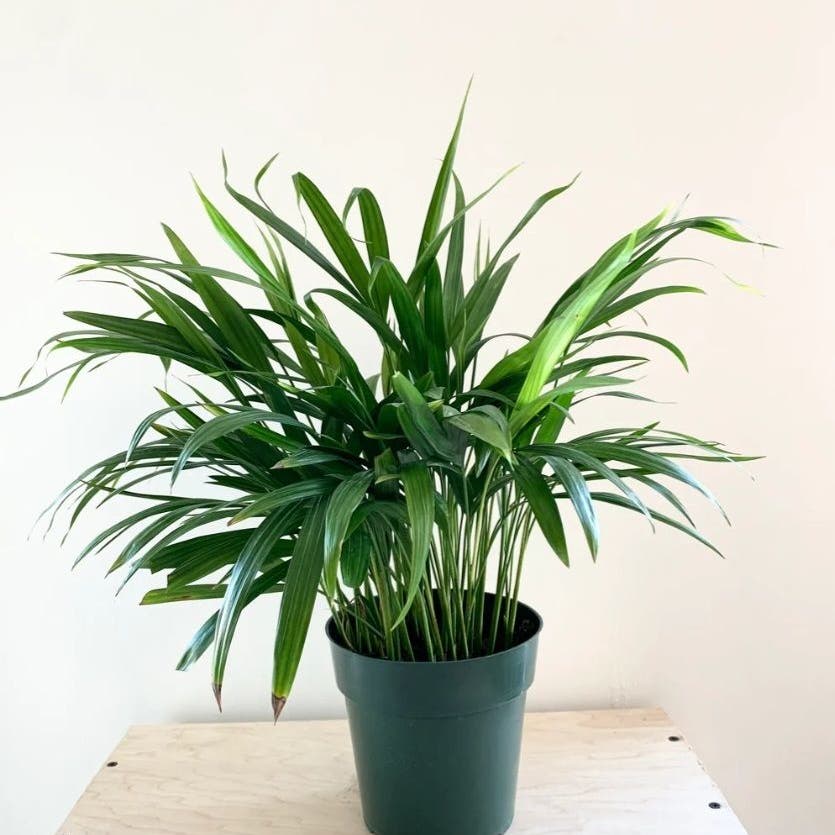
How Often Do I Need to Water My Syngonium 'Maria Allusion'?
Syngonium 'Maria Allusion'
By the Greg Editorial Team
Jun 18, 2024•4 min read
This article was created with the help of AI so we can cover more plants for you. May contain errors. See one? Report it here.
- 🍂 Wilting leaves and light pots signal it's watering time.
- 🌦️ Seasons change, so does watering frequency—adjust accordingly.
- 🌱 Well-draining soil and the right pot ensure proper hydration.
When Thirst Strikes: Recognizing Your Plant's Water Needs
💧 Spot the Signs
Your Syngonium 'Maria Allusion' doesn't have a thirst meter, but it does have ways of showing it needs water. Wilting leaves are your plant's white flag of surrender to dry conditions. A pot that feels as light as your last grocery bag indicates it's time for a drink. Perform the classic soil test: if the top inch is dry, your green buddy is parched.
The Perils of Too Much or Too Little
💦 Overwatering is a silent killer, often misread as generosity. Yellow leaves and a pot that's always damp are your plant's way of saying, "Enough!" On the flip side, 🏜️ Underwatering turns your plant into a crispy critter. Brown leaf tips and stunted growth are distress flares signaling a hydration crisis. Keep the balance to avoid these extremes.

The Perfect Sip: Watering Frequency and Techniques
💧 Seasonal Watering Rhythms
In the spring and summer, your Syngonium 'Maria Allusion' is like an athlete in training, needing more water to fuel its growth spurt. As the seasons shift to fall and winter, it's more like a bear hibernating, so cut back on the watering. The soil should dry out more between waterings, signaling a rest period for your plant.
💦 The Right Way to Water
When watering, think of yourself as a bartender for your plant: you're aiming for the perfect mix. Pour slowly at the base, avoiding a deluge that only wets the surface. This technique ensures the roots get their fair share of hydration without drowning them. Remember, the goal is moist soil, akin to a well-wrung sponge, not a saturated swamp. Keep an eye on the pot's drainage and adjust your watering to the rhythm of your home's humidity levels.

The Dynamic Duo: Soil and Pot Pairings
🌱 Choosing the Right Soil Mix
Well-draining soil isn't just a preference; it's a necessity for your Syngonium 'Maria Allusion'. Think of it as the foundation of a house—get it wrong, and you're in for a world of issues. Perlite or vermiculite mixed with potting soil isn't just a fancy suggestion; it's your plant's lifeline to avoid drowning. Regular checks are your best friend; if the soil feels like a wet sponge, it's time to rethink your mix.
🏺 Picking the Perfect Pot
Size and material matter more than you might think. A small pot is like a cramped elevator; it fills up quickly and needs frequent attention. A large pot, on the other hand, is like a spacious lobby, taking its sweet time to dry out. Terracotta is the MVP of pot materials, wicking away moisture and letting your plant's roots breathe. Plastic might look sleek, but it's like a raincoat, trapping in moisture. Always, and I mean always, go for pots with drainage holes—unless you're into indoor swamps.

Creating the Ideal Sipping Environment
🌡️ Temperature and Humidity Tango
In the delicate dance of plant care, temperature and humidity are your Syngonium 'Maria Allusion's' lead partners. These factors directly impact how often your green companion needs a drink. High temperatures often mean more frequent watering, while cooler conditions suggest a more restrained approach.
Making Adjustments
Adaptability is key in maintaining the perfect moisture balance for your plant. If your indoor air resembles a desert, consider a humidifier or a pebble tray to introduce some much-needed moisture. Conversely, in a more humid environment, you might need to cut back on watering. Always use a hygrometer to monitor humidity levels; it's your secret weapon in the quest for the ideal sipping environment. Remember, your plant's thirst is as dynamic as the weather, so stay vigilant and be ready to tweak your watering habits as needed.
⚠️ Safety First
This content is for general information and may contain errors, omissions, or outdated details. It is not medical, veterinary advice, or an endorsement of therapeutic claims.
Always consult a qualified healthcare professional before using any plant as food, medicine, or supplement.
Never eat any plant (or feed one to pets) without confirming its identity with at least two trusted sources.
If you suspect poisoning, call Poison Control (800) 222-1222, the Pet Poison Helpline (800) 213-6680, or your local emergency service immediately.
Spotted an error? Please report it here.
Ensure your Syngonium 'Maria Allusion' thrives 🌱 with Greg's personalized watering reminders, tailored to your plant's needs and your specific home conditions.