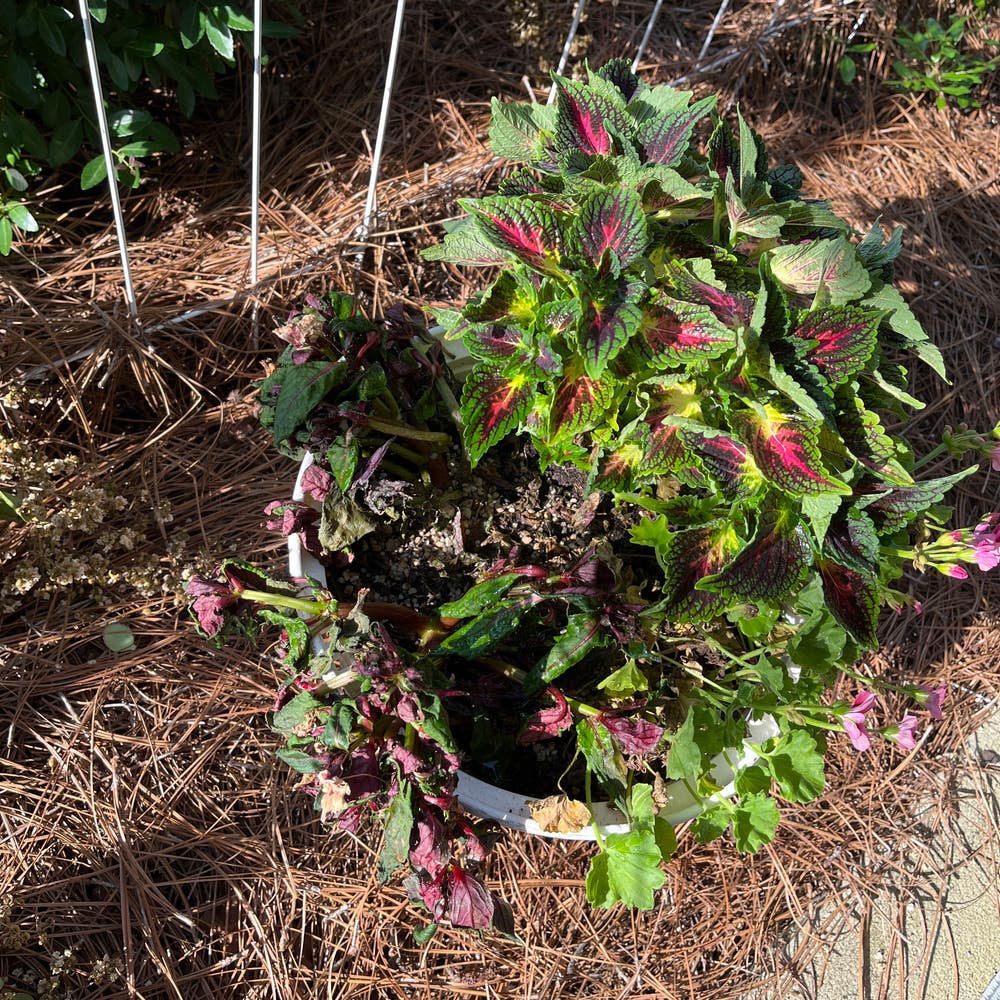
Identifying What is Eating Your Balsam 🐛
Impatiens balsamina
By the Greg Editorial Team
Oct 31, 2024•6 min read
This article was created with the help of AI so we can cover more plants for you. May contain errors. See one? Report it here.
- 🐾 Identify animal damage by recognizing tracks, droppings, and chewed foliage.
- 🦌 Deer and rabbits can severely impact balsam; use repellents and barriers for protection.
- 🌱 Monitor seasonal herbivore activity to adjust management strategies effectively.
Identifying Animal Damage to Balsam
🦌 Deer
Signs of Presence
Look for tracks, which appear as hoof prints in soft soil. Additionally, irregularly chewed leaves and stems indicate deer browsing.
Type of Damage
Deer can cause significant damage to foliage, stripping leaves and stunting growth. This defoliation often leads to reduced blooms, impacting the overall health of your balsam.
Management Strategies
To deter deer, consider using commercial chemical repellents. Alternatively, organic methods like garlic spray, human hair, or soap shavings around plants can be effective.
🐇 Rabbits
Signs of Presence
Rabbits leave small, round paw prints and pellet-like droppings near the plants. These signs can help you identify their presence quickly.
Type of Damage
Young shoots are particularly vulnerable, often showing clean cuts on stems and nibbled leaves. This damage weakens the plants, reducing their vigor.
Management Strategies
Installing 2-3 foot tall barriers can effectively prevent rabbit access. You can also use organic deterrents like cayenne pepper or predator urine to keep them at bay.
🐿️ Squirrels
Signs of Presence
Look for chewed bark or stems, which reveal gnaw marks on branches. Nesting behavior, such as nests in nearby trees, can also indicate squirrel activity.
Type of Damage
Squirrels often strip flowers for nectar, damaging the blooms. This can lead to reduced seed production due to the loss of flowers.
Management Strategies
Commercial squirrel repellents are available for chemical control. Alternatively, planting squirrel-resistant plants nearby can serve as an organic deterrent.
🐦 Birds
Signs of Presence
Feather remnants found near the plant and peck marks on flowers and fruits are clear signs of bird activity. These indicators can help you assess the extent of the damage.
Type of Damage
Birds can cause significant damage to flowers by pecking or removing petals and buds. This not only affects the aesthetics but also reduces pollinator visits.
Management Strategies
Covering plants with bird netting is an effective way to protect them. You can also use organic deterrents like reflective tape or scare devices to keep birds away.
🐭 Rodents (Mice, Voles)
Signs of Presence
Look for small burrows near the base of the plant and chewed stems, which indicate gnawing on lower parts. These signs can help you identify rodent activity.
Type of Damage
Rodents can compromise root systems, leading to plant stress. This often results in stunted growth and wilting, affecting overall plant health.
Management Strategies
Using snap traps or live traps can effectively control rodent populations. Additionally, chemical deterrents like rodent bait stations can help manage their presence.
🦡 Groundhogs/Woodchucks
Signs of Presence
Large burrows near garden beds and noticeable grazing patterns indicate groundhog activity. These signs can help you pinpoint their location.
Type of Damage
Groundhogs can cause significant defoliation, especially in spring, leading to unsightly gaps in your garden. This can detract from the overall aesthetics of your landscape.
Management Strategies
Installing 3-4 foot tall fences with buried edges can effectively keep groundhogs out. Organic deterrents, such as planting herbs like mint or using castor oil, can also be beneficial.
Understanding these signs and types of damage is crucial for protecting your balsam. By implementing effective management strategies, you can safeguard your plants from various herbivores. Next, we will explore the broader impact of herbivores on balsam and how they interact with the ecosystem.
Impact of Herbivores on Balsam
🌼 Beneficial Interactions
Herbivores can play a surprisingly positive role in the ecosystem surrounding balsam. Pollinators like bees and butterflies are drawn to the flowers, enhancing their growth and reproduction.
Additionally, birds contribute to seed dispersal, helping propagate balsam plants across the landscape. This natural partnership fosters a vibrant garden environment.
⚠️ Harmful Interactions
However, not all interactions are beneficial. Herbivore overpopulation can lead to significant plant damage, as these animals consume more foliage than the balsam can sustain.
Moreover, competition for resources among herbivores can negatively impact overall garden health. This struggle can weaken plants and diminish their ability to thrive.
🌱 Seasonal Variations
Understanding seasonal variations in herbivore activity is crucial for effective management. In spring, increased activity from rabbits and groundhogs can lead to noticeable damage as they emerge from hibernation.
Summer marks peak feeding time for deer and birds, making it essential to monitor your balsam closely. By fall, rodents prepare for winter, increasing their foraging efforts and potential damage to your plants.
Recognizing these patterns allows gardeners to anticipate challenges and implement proactive strategies. With this knowledge, you can better protect your balsam and maintain a flourishing garden.
Deterrence and Management Strategies
🧪 Chemical Control Methods
When it comes to protecting your balsam, chemical control methods can be effective. There are various commercial products available, including repellents specifically designed to deter herbivores like deer and rabbits.
Before applying any chemical deterrents, it's crucial to read the application guidelines carefully. Always consider safety precautions to protect yourself, your plants, and the surrounding environment.
🌱 Organic Control Methods
For those who prefer a more natural approach, organic control methods can be quite successful. Natural repellents such as essential oils or homemade sprays can deter many herbivores without harming beneficial insects.
Companion planting is another effective strategy. By planting species that naturally repel herbivores alongside your balsam, you can create a more resilient garden ecosystem.
🔒 General Strategies for Protecting Balsam
Integrating various strategies is key to effective pest management. This approach, known as integrated pest management (IPM), combines chemical, organic, and physical deterrents for a comprehensive solution.
Regular monitoring is essential. Keep an eye on animal activity and adjust your methods accordingly to ensure your balsam remains healthy and thriving.
By employing these deterrence and management strategies, you can enjoy a flourishing balsam garden while minimizing damage from herbivores. Next, let’s explore the potential toxicity and safety considerations associated with balsam.
Toxicity and Safety
⚠️ Potential Toxic Effects
Balsam can exhibit mild toxicity, particularly affecting certain herbivores. Symptoms may include gastrointestinal upset, which can be distressing for sensitive species.
🧤 Safety Considerations
When handling Balsam, it's wise to wear gloves, especially during pruning. This simple precaution helps prevent skin irritation and ensures a safer gardening experience.
Additionally, pet owners should be cautious. It's important to monitor pets to ensure they do not consume large quantities of Balsam, as this could lead to health issues.
Understanding these aspects of toxicity and safety will help you enjoy your Balsam while keeping both your garden and pets safe. Next, let’s explore effective deterrence and management strategies to protect your plants from herbivore damage.
⚠️ Safety First
This content is for general information and may contain errors, omissions, or outdated details. It is not medical, veterinary advice, or an endorsement of therapeutic claims.
Always consult a qualified healthcare professional before using any plant as food, medicine, or supplement.
Never eat any plant (or feed one to pets) without confirming its identity with at least two trusted sources.
If you suspect poisoning, call Poison Control (800) 222-1222, the Pet Poison Helpline (800) 213-6680, or your local emergency service immediately.
Spotted an error? Please report it here.
Protect your balsam from pesky herbivores with smart strategies 🦌 and let Greg guide you with tailored care tips and reminders for a thriving garden!