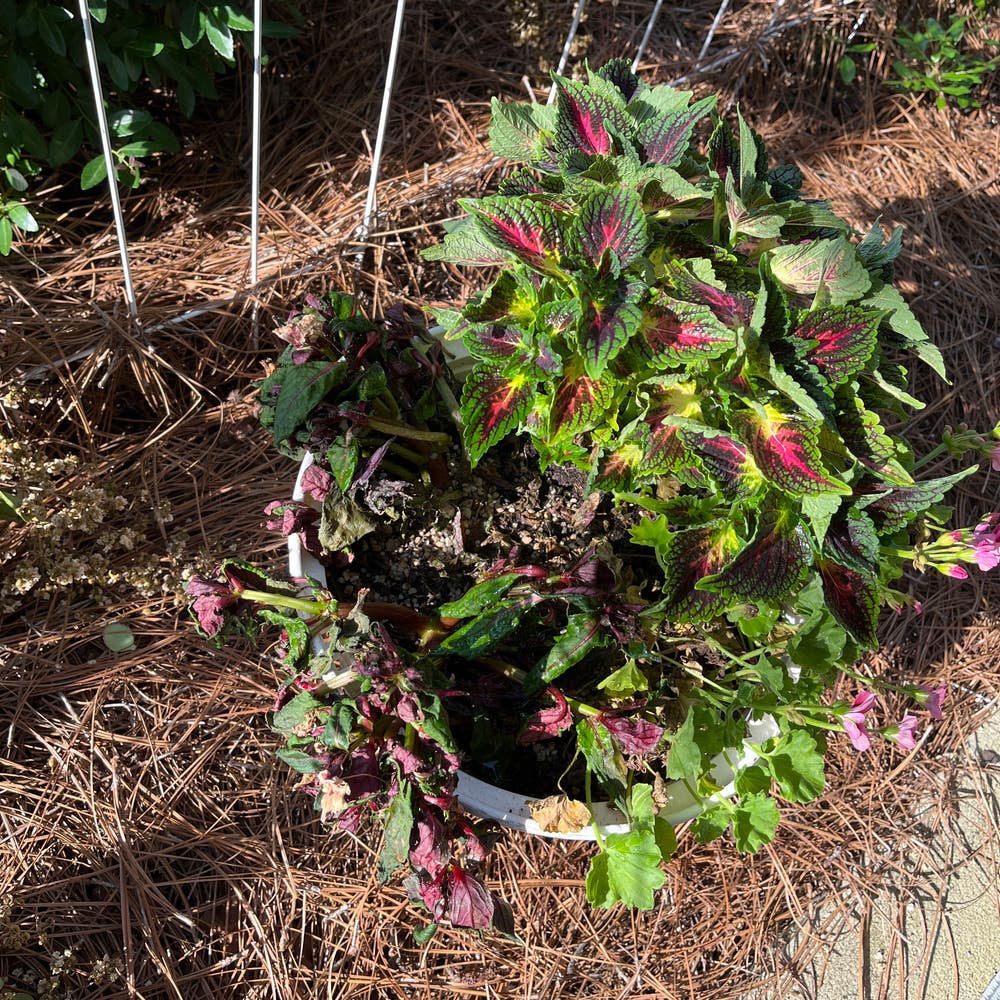
❄️ 10 Key Winter Strategies for Balsam
Impatiens balsamina
By the Greg Editorial Team
Nov 07, 2024•4 min read
This article was created with the help of AI so we can cover more plants for you. May contain errors. See one? Report it here.
- ❄️ Frost protection is vital for Balsam health during winter to prevent damage.
- 🌱 Mulching insulates roots and retains moisture, crucial for winter survival.
- 🌬️ Shelter Balsam from winds and extreme cold to ensure healthy growth.
Winter Care Strategies for Balsam
❄️ Frost Protection Techniques
Frost protection is crucial for maintaining the health of your Balsam. Without proper measures, frost can damage the plant, leading to long-term issues.
To safeguard your Balsam from frost, consider these effective methods:
- Mulching: Apply a 3-4 inch layer of organic mulch around the base. This insulates the roots and helps retain moisture.
- Covering: During extreme cold snaps, use burlap or frost cloth to cover young trees. This shields them from harsh temperatures.
- Strategic Placement: Position your Balsam in sheltered areas. This reduces exposure to harsh winds that can exacerbate frost damage.
💧 Adjusting Watering Schedules During Winter
In winter, it's essential to adjust your watering schedule. Water your Balsam only when the top 2-3 inches of soil are dry to the touch.
Overwatering can lead to root rot, especially during dormancy. Keep an eye out for signs of dehydration, such as yellowing needles and drooping branches, which indicate your plant may need more moisture.
🌱 Fertilizing Balsam in Winter: What to Know
Fertilizing during dormancy is a common mistake. It's best to wait until early spring to provide nutrients to your Balsam.
When spring arrives, opt for slow-release fertilizers to support recovery as growth resumes. Additionally, conducting a soil test beforehand ensures that nutrient levels are adequate, setting your Balsam up for a successful growing season.
With these winter care strategies, your Balsam will be well-prepared to thrive come spring. Next, let's explore the best practices for indoor winter care to keep your Balsam healthy and vibrant.
Indoor Winter Care for Balsam
🌱 Best Practices for Indoor Balsam Care
Transitioning your Balsam indoors is crucial as winter approaches. Aim to bring your plant inside before the first frost, ideally when nighttime temperatures consistently drop below 40°F (4°C).
To ensure your Balsam thrives indoors, maintaining humidity levels is essential. Consider using a humidifier or placing pebble trays filled with water beneath the pot to increase moisture in the air.
☀️ Light and Temperature Requirements for Indoor Balsam
Optimal light conditions are vital for your indoor Balsam. Position it near a south-facing window to soak up as much sunlight as possible.
Temperature preferences also play a significant role in your plant's health. Keep indoor temperatures between 60°F to 70°F (15°C to 21°C) to create a comfortable environment for your Balsam.
By following these indoor care strategies, you can help your Balsam flourish throughout the winter months. Next, let’s explore how to prepare your Balsam for spring and ensure it emerges healthy and vibrant.
Spring Preparation for Balsam
🌨️ Signs of Winter Damage in Balsam
As winter fades, it's crucial to assess your Balsam for any signs of damage. Look for brown or yellowing needles, which can indicate stress from cold temperatures.
Broken branches and stunted growth are also red flags. A thorough inspection will help you identify any underlying issues, such as disease or pest infestations, that may need addressing.
🌱 Steps for Recovery and Rejuvenation in Spring
Once you've identified any damage, it's time to take action. Start by pruning damaged branches to encourage new growth.
- Use clean, sharp pruning shears to make precise cuts.
- Remove any dead or damaged limbs, allowing the plant to focus its energy on healthy growth.
Next, establish a fertilization schedule. Apply a balanced fertilizer in early spring to give your Balsam the nutrients it needs for recovery.
As temperatures rise, adjust your watering practices. Increase the frequency of watering to support new growth and ensure your Balsam thrives in the warmer months ahead.
With these steps, your Balsam will be well on its way to a vibrant spring. Transitioning from winter care to rejuvenation is essential for maintaining its health and beauty.
⚠️ Safety First
This content is for general information and may contain errors, omissions, or outdated details. It is not medical, veterinary advice, or an endorsement of therapeutic claims.
Always consult a qualified healthcare professional before using any plant as food, medicine, or supplement.
Never eat any plant (or feed one to pets) without confirming its identity with at least two trusted sources.
If you suspect poisoning, call Poison Control (800) 222-1222, the Pet Poison Helpline (800) 213-6680, or your local emergency service immediately.
Spotted an error? Please report it here.
Keep your Balsam thriving this winter ❄️ by using Greg for tailored care reminders that ensure frost protection, proper watering, and a smooth transition to spring!