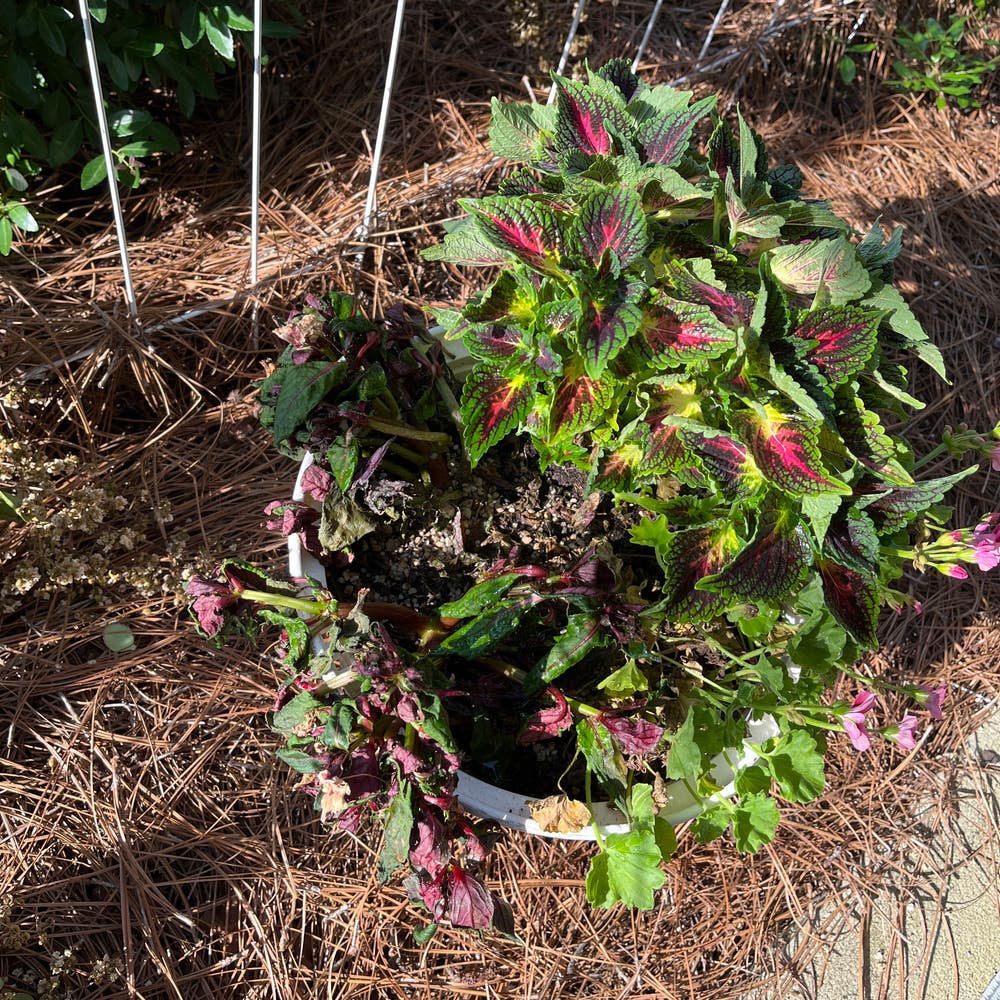
💧 6 Essential Outdoor Balsam Care Routines
Impatiens balsamina
By the Greg Editorial Team
Nov 07, 2024•6 min read
This article was created with the help of AI so we can cover more plants for you. May contain errors. See one? Report it here.
- ☀️🌱 Balsams need 6-8 hours of sunlight for optimal growth; ensure proper placement.
- 🌿🔍 Soil testing is essential for maintaining the right pH and nutrients for Balsams.
- 💧🛡️ Deep watering and mulching protect Balsams from drought and harsh weather conditions.
Sunlight and Soil Requirements
Ideal Sunlight Conditions ☀️
Balsams thrive best in full sun to partial shade. Aim for 6-8 hours of sunlight daily to promote healthy growth; anything less can lead to stunted development and make your plants more vulnerable to pests.
Soil Preferences and Amendments 🌱
These trees prefer well-drained, acidic soils with a pH between 4.5 and 6.0. To enhance soil quality, incorporate organic matter like compost, which improves drainage and boosts nutrient content.
Importance of Soil Testing 🔬
Regular soil testing is crucial for maintaining the right pH and nutrient levels. This simple step ensures your Balsam remains healthy and vibrant, setting the foundation for robust growth.
Understanding these sunlight and soil requirements will help you create the ideal environment for your Balsam. Next, we’ll explore the essential watering and fertilization routines to keep your plants thriving.
Watering and Fertilization
💧 Watering Requirements
Watering your Balsam is crucial for its health. During dry spells, ensure regular watering while avoiding waterlogging, which can harm the roots.
Deep watering is an effective technique that encourages robust root development. Keep an eye out for signs of under-watering, such as wilting, yellowing needles, and stunted growth, as these indicate your plant needs more moisture.
🌱 Best Fertilizers and Application Methods
Choosing the right fertilizer is essential for your Balsam's growth. Balanced NPK fertilizers, like a 10-10-10 mix, or organic options such as fish emulsion, are highly recommended.
Timing your fertilizer application is key. Aim to fertilize in early spring and mid-summer to maximize nutrient uptake. Apply the fertilizer by broadcasting it around the base of the plant and follow up with thorough watering to help it penetrate the soil.
With proper watering and fertilization, your Balsam will thrive, setting the stage for the next essential care routines.
Planting Options: Container vs. Ground
🌱 Benefits of Container Planting
Container planting offers remarkable flexibility. You can easily move your Balsam to find the perfect sunlight or shelter from harsh weather.
Managing soil conditions is another perk. With containers, you have complete control over pH and drainage, ensuring your plants thrive.
Aesthetic appeal is also a significant advantage. Decorative pots can enhance your outdoor spaces, adding charm and personality.
🌍 Advantages of Ground Planting
Ground planting provides a natural growth environment. Your Balsam will have better access to nutrients and moisture directly from the soil.
There's also a larger growth potential. With more space for root expansion, your plants can develop robustly.
Long-term stability is a key benefit as well. Ground-planted Balsams are less susceptible to drought stress compared to their container counterparts.
⚖️ Drawbacks of Each Method
However, container planting isn't without its challenges. Limited root space can restrict growth, and frequent watering is necessary to prevent drying out.
Additionally, containers can overheat, especially in direct sunlight, which can stress your plants.
On the other hand, ground planting has its drawbacks too. Your plants may be more vulnerable to pests and diseases, which can be a hassle to manage.
You also have less control over soil conditions, making it essential to monitor your garden closely.
In summary, both planting options have unique benefits and challenges. Choosing the right method depends on your gardening goals and the specific needs of your Balsam.
Next, let's explore how to protect your plants from weather extremes and pesky pests.
Protection from Weather and Pests
🌧️ Strategies for Weather Protection
Protecting your Balsam from harsh weather is crucial for its health. Mulching is a fantastic way to insulate roots and retain soil moisture, especially during dry spells.
When temperatures drop, consider covering your plants with frost cloths to shield them from extreme cold. Additionally, windbreaks—like strategically planted barriers—can help protect your Balsam from strong winds that could cause damage.
🐛 Common Outdoor Pests and Control Methods
Outdoor pests can pose a significant threat to your Balsam. Common culprits include aphids, spider mites, and bark beetles.
To combat these pests, use insecticidal soaps or neem oil, which are effective and environmentally friendly. Introducing beneficial insects can also help keep pest populations in check. Regular monitoring is essential; early detection can make all the difference in managing infestations.
🦠 Diseases and Prevention Tips
Balsam trees are susceptible to several diseases, including root rot, needle blight, and cankers. To prevent these issues, adopt proper watering techniques that avoid waterlogging and ensure good air circulation around your plants.
Using disease-resistant varieties can also provide an extra layer of protection. Don't forget the importance of sanitation; regularly clean your gardening tools and remove any infected plant material to keep your Balsam healthy.
With these strategies in place, your Balsam will be better equipped to thrive in various weather conditions and fend off pests and diseases. Next, let’s explore how seasonal changes and climate considerations can further influence your care routines.
Seasonal Care and Climate Considerations
🌱 Seasonal Changes and Their Impact
Spring is a crucial time for Balsam care. This is when you should focus on fertilization and monitoring new growth to ensure your plants are thriving.
As summer rolls in, adjust your watering routine to combat heat waves. Increased temperatures can lead to faster evaporation, so keep an eye on moisture levels.
In the fall, it's time to prepare for winter. Mulching and pruning are essential to protect your Balsams from harsh conditions ahead.
Winter brings its own challenges. Protect your plants from snow load and frost to ensure they survive until spring.
🌍 Special Considerations for Different Climate Zones
If you live in a cooler climate, moisture management is key. Ensure your Balsams have adequate moisture and protection from frost to thrive.
For those in warmer climates, increased watering and providing shade are vital. These strategies help prevent stress on your plants during the hottest months.
Understanding your local climate is essential for Balsam growth. Each region has unique conditions that can significantly impact plant health.
🔄 Adjusting Care Routines
Tailor your watering schedule based on the season. Expect to water more frequently in summer and less during the winter months.
Fertilization should also be adjusted according to growth cycles. Timing your applications can maximize nutrient uptake and plant health.
Finally, keep a close watch for pests and diseases. Increased vigilance during warm months can help catch issues before they escalate, ensuring your Balsams remain healthy and vibrant.
With these seasonal care tips, you'll be well-equipped to nurture your Balsams through every stage of the year. Next, let’s explore how to protect your plants from weather extremes and pests.
⚠️ Safety First
This content is for general information and may contain errors, omissions, or outdated details. It is not medical, veterinary advice, or an endorsement of therapeutic claims.
Always consult a qualified healthcare professional before using any plant as food, medicine, or supplement.
Never eat any plant (or feed one to pets) without confirming its identity with at least two trusted sources.
If you suspect poisoning, call Poison Control (800) 222-1222, the Pet Poison Helpline (800) 213-6680, or your local emergency service immediately.
Spotted an error? Please report it here.
Keep your outdoor Balsams thriving 🌼 with Greg's tailored watering reminders and soil testing tips that ensure they get the perfect care they deserve!