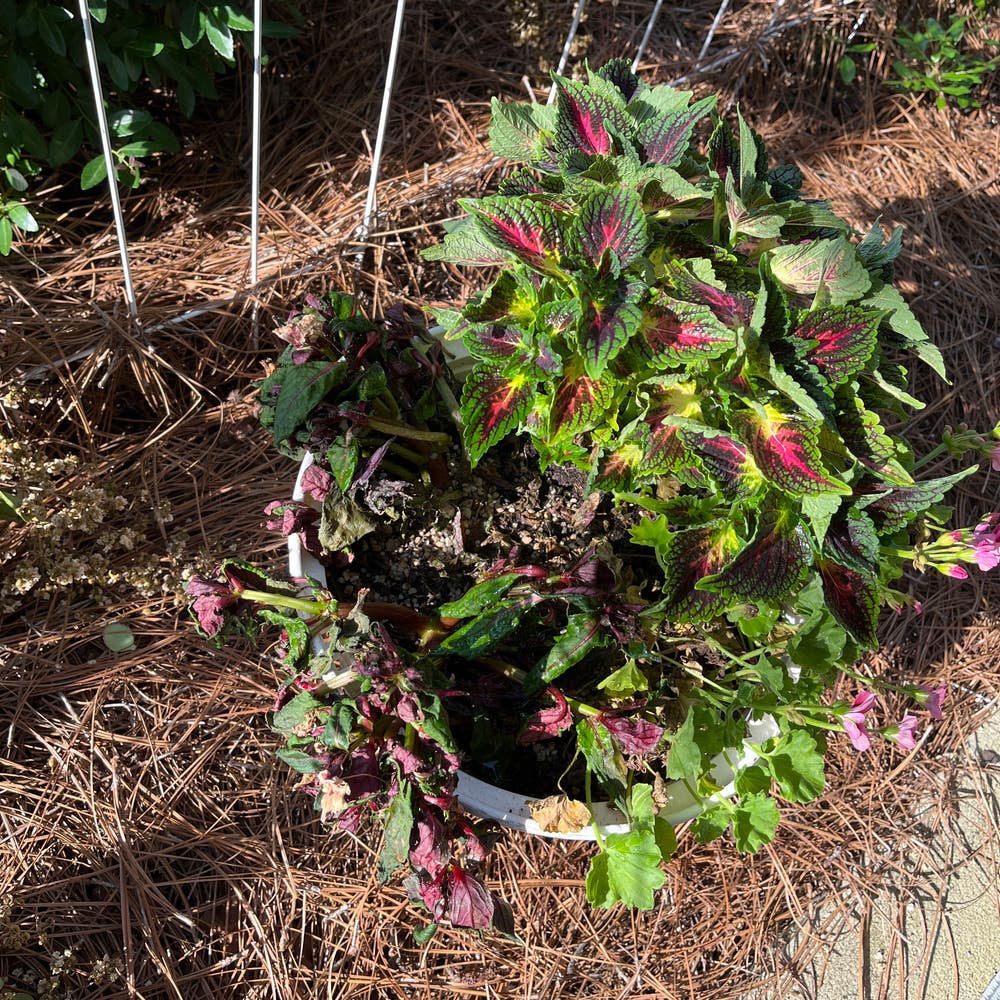
Balsam: Not a Perennial Plant
Impatiens balsamina
By the Greg Editorial Team
Nov 07, 2024•5 min read
This article was created with the help of AI so we can cover more plants for you. May contain errors. See one? Report it here.
- 🌼 Balsam is an annual plant, completing its lifecycle in one growing season.
- 🌱 Self-seeding creates new plants, but each only lives for one season.
- 🎨 Balsam's rapid growth allows for vibrant, seasonal garden refreshes every year.
Characteristics of Balsam
Single-Season Lifecycle of Balsam 🌱
Balsam is known for its unique single-season lifecycle. From germination to flowering, it typically takes just 2-3 months, making it a quick addition to any garden.
However, this rapid growth comes with a downside: the plant dies after the first frost. This lifecycle means that gardeners must replant Balsam each year to enjoy its vibrant blooms.
Rapid Growth Rate of Balsam 🚀
One of the standout features of Balsam is its impressive growth rate. Seed germination occurs within 7-14 days, allowing for a swift start to the growing season.
Once germinated, Balsam can reach its full height of 12-36 inches in just 2-3 months. This rapid maturation makes it a favorite for those looking to add color to their gardens quickly.
Inability to Regrow from Roots ❌
Unlike perennial plants, Balsam lacks a robust root structure that allows for regrowth. This means that once the plant dies, it cannot return the following season.
Perennials, on the other hand, have established root systems that enable them to survive winter and bloom year after year. This fundamental difference is key to understanding Balsam's classification as an annual plant.
As we explore the implications of Balsam's annual nature, we’ll see how its lifecycle influences growth patterns and garden design.
Implications of Balsam's Annual Nature
🌸 Growth and Flowering Patterns
Balsam is a vibrant addition to any garden, typically blooming from mid-summer to fall. Its flowers come in an array of colors, including pink, white, and purple, adding a cheerful touch to your outdoor space.
The variety of colors and forms makes Balsam a favorite among gardeners looking to create a lively atmosphere. These blooms not only enhance visual appeal but also attract pollinators, contributing to a healthy garden ecosystem.
⏳ Lifespan Comparison with Perennials
The average lifespan of Balsam is just one growing season, which sets it apart from perennial plants that can thrive for several years. This short lifecycle means that gardeners can enjoy a fresh display of flowers each year, but it also requires planning for replanting.
In contrast, perennials establish deep root systems, allowing them to return year after year. This difference highlights the unique role Balsam plays in seasonal gardening, offering both beauty and the opportunity for annual renewal.
As you consider the implications of Balsam's annual nature, think about how this can influence your garden design and planting strategies. The ability to refresh your garden each year opens up exciting possibilities for creativity and experimentation.
Common Misconceptions
🌱 Addressing the Belief that Balsam is a Perennial
Many gardeners mistakenly believe that Balsam is a perennial plant. In reality, Balsam is classified as an annual, meaning it completes its lifecycle in a single growing season.
This confusion often arises from the plant's vibrant blooms and ability to self-seed. While self-seeding can create the appearance of continuity in the garden, it does not change the fact that each individual Balsam plant only lives for one season.
🌼 Clarifying Self-Seeding Behavior
Self-seeding occurs when a plant drops seeds that germinate in the following season. Balsam thrives in conditions that support this behavior, such as rich soil and adequate moisture.
However, it's essential to understand that self-seeding can mislead gardeners into thinking Balsam behaves like a perennial. Each new plant is a fresh start, not a continuation of the previous year's growth.
Understanding these misconceptions helps gardeners make informed decisions about their planting strategies. With this clarity, you can appreciate Balsam's unique qualities while planning for its annual lifecycle.
As we explore the implications of Balsam's annual nature, you'll discover how to maximize its beauty in your garden.
Advantages of Balsam's Annual Nature
Quick Maturity Benefits for Gardeners 🌼
Balsam's rapid growth is a game-changer for gardeners. With a germination period of just 7-14 days, you can expect vibrant blooms within 2-3 months.
This quick turnaround means early seasonal color, allowing you to enjoy a lively garden sooner. Plus, if you're looking to refresh your garden quickly, Balsam is your go-to plant.
Flexibility in Garden Planning and Design 🎨
One of the most exciting aspects of Balsam is its annual nature, which gives you the freedom to change your garden design every year. This flexibility allows for creativity and experimentation with different varieties and colors.
You can mix and match to create a fresh look each season, keeping your garden dynamic and engaging. Embrace the opportunity to try new combinations and see what works best for your space.
In summary, Balsam's annual lifecycle not only provides quick beauty but also encourages a playful approach to gardening. As you plan your next garden, consider how Balsam can enhance your design and bring joy throughout the growing season.
Strategies for Enjoying Balsam
🌼 Tips for Maximizing Balsam's Impact in Gardens
To truly make the most of Balsam in your garden, consider the planting density and arrangement. Grouping plants closely can create a vibrant, colorful display that draws the eye and enhances visual impact.
Companion planting is another effective strategy. Pair Balsam with other annuals and perennials to create a dynamic garden space. This not only adds variety but also supports biodiversity, attracting beneficial insects.
🌱 Incorporating Balsam with Perennial Plants
When interplanting Balsam with perennials, timing is crucial. Plant Balsam after the last frost to ensure it thrives alongside established perennials.
Seasonal transitions are also important. As perennials begin to fade, Balsam can fill in the gaps, providing continuous color and interest throughout the growing season.
🌸 Seasonal Enjoyment of Balsam
To extend the flowering period of Balsam, stagger your planting. This technique allows for a longer display of blooms, keeping your garden lively.
Additionally, employing techniques like deadheading can prolong the blooming phase. By removing spent flowers, you encourage the plant to produce more blooms, ensuring your garden remains vibrant for as long as possible.
With these strategies, you can enjoy the beauty of Balsam while enhancing your garden's overall appeal. Next, let’s explore the common misconceptions surrounding this annual plant.
⚠️ Safety First
This content is for general information and may contain errors, omissions, or outdated details. It is not medical, veterinary advice, or an endorsement of therapeutic claims.
Always consult a qualified healthcare professional before using any plant as food, medicine, or supplement.
Never eat any plant (or feed one to pets) without confirming its identity with at least two trusted sources.
If you suspect poisoning, call Poison Control (800) 222-1222, the Pet Poison Helpline (800) 213-6680, or your local emergency service immediately.
Spotted an error? Please report it here.
Transform your garden with vibrant Balsam blooms 🌼 each season, and let Greg guide you with tailored planting reminders and care tips for a stunning display every summer!