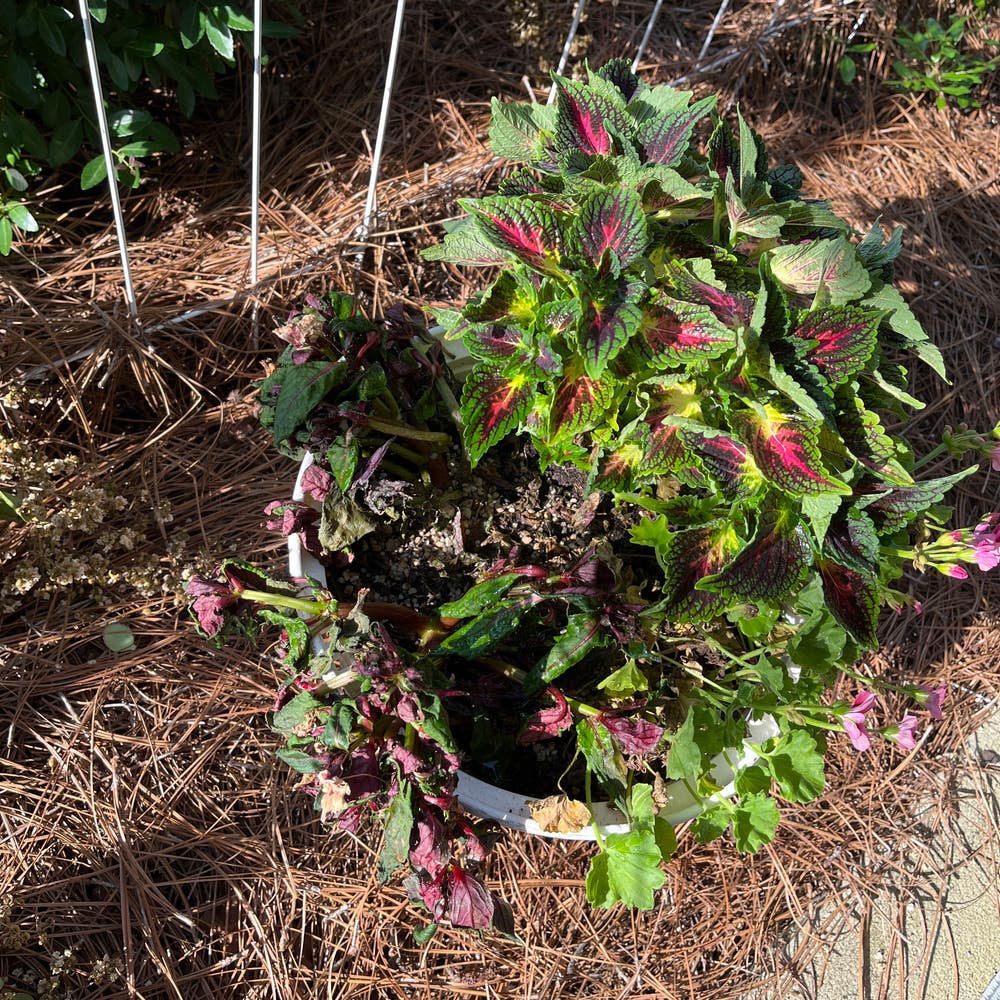
4 Top Pot Choices for Your Balsam 🪴
Impatiens balsamina
By the Greg Editorial Team
Nov 07, 2024•6 min read
This article was created with the help of AI so we can cover more plants for you. May contain errors. See one? Report it here.
- 🌱 Pot size matters: 3-4 inches for seedlings, 10-12 inches for mature Balsam.
- 🏺 Choose pot material wisely: Clay for breathability, plastic for moisture retention.
- 🚫 Drainage holes are essential to prevent root rot and ensure healthy growth.
Importance of Pot Size for Growth Stages
🌱 Recommended Pot Sizes
When starting your Balsam journey, choosing the right pot size is crucial for healthy growth.
Seedlings
For seedlings, an ideal container size is 3-4 inches in diameter. Starting small encourages root establishment, allowing your young plants to thrive.
Young Plants
As your Balsam grows, transition to a container size of 6-8 inches in diameter. This shift is essential as it provides the necessary space for continued growth.
Mature Balsam
For mature Balsam, opt for a pot size of 10-12 inches in diameter. This size ensures ample room for root expansion and nutrient uptake, which is vital for overall plant health.
🌿 Effects of Pot Size on Root Development
The size of the pot significantly impacts root development. Small pots can stunt growth, limiting the plant's ability to absorb nutrients and water effectively.
Adequate space is essential for root health and overall plant vigor. If you notice signs of a root-bound Balsam, such as roots growing out of drainage holes, it’s time to consider a larger pot.
Understanding these pot size dynamics will set your Balsam up for success as it grows. Next, we’ll explore the various pot materials and their impact on your plant’s health.
Pot Materials
Choosing the right pot material is crucial for your Balsam's health and growth. Each type of pot offers unique benefits and drawbacks that can significantly impact your plant's well-being.
🏺 Clay Pots
Clay pots are a popular choice among gardeners.
- Benefits: They provide excellent breathability and moisture regulation, allowing roots to access air and preventing overwatering.
- Drawbacks: However, they can be quite heavy and may dry out quickly, requiring more frequent watering.
🪴 Plastic Pots
Plastic pots are lightweight and practical.
- Benefits: They retain moisture better than clay pots, making them ideal for those who might forget to water regularly.
- Drawbacks: On the downside, they are less breathable and can overheat, which may stress your Balsam.
🍶 Ceramic Pots
Ceramic pots add a touch of elegance to your plant display.
- Benefits: They offer good insulation and aesthetic appeal, enhancing your indoor or outdoor space.
- Drawbacks: However, they can be heavy and expensive, which might not suit every gardener's budget.
💧 Moisture Retention and Temperature Regulation
The choice of pot material directly affects moisture retention.
- Clay pots allow for evaporation, which can be beneficial in humid climates but may require more watering in dry conditions.
- Plastic pots, while retaining moisture, can lead to overheating if exposed to direct sunlight for extended periods.
🌡️ Climate Considerations
When selecting pot materials, consider your local climate and where you plan to place your Balsam.
- For outdoor settings in hot climates, breathable materials like clay may be preferable.
- In cooler, indoor environments, ceramic pots can provide the insulation your plant needs.
Choosing the right pot material is essential for nurturing your Balsam. Understanding the characteristics of each option will help you create the best environment for your plant's growth and health.
Next, let’s explore the importance of drainage considerations to ensure your Balsam thrives in its new home.
Drainage Considerations
Importance of Drainage Holes 🌧️
Drainage holes are essential for preventing root rot in your Balsam. Without them, excess water can accumulate, leading to waterlogged soil and significant plant stress.
Assessing Drainage Needs 🔍
To ensure your Balsam thrives, evaluate the pot material and size for adequate drainage. Consider using pots with multiple drainage holes for optimal moisture control.
Recommended Practices for Ensuring Adequate Drainage 🛠️
- Choose the Right Material: Opt for breathable materials like clay or ceramic.
- Monitor Watering: Water only when the top inch of soil feels dry.
- Use Quality Soil: A well-draining potting mix can help prevent water retention.
Solutions for Pots Without Drainage Holes 🚫
If you have pots without drainage holes, there are effective techniques to improve drainage. Adding a layer of gravel or stones at the bottom can help facilitate water flow.
Alternative Watering Methods 💧
Consider alternative watering methods, such as bottom watering, to prevent overwatering. This technique allows the plant to absorb moisture from the bottom up, reducing the risk of soggy soil.
By paying attention to drainage, you can significantly enhance your Balsam's health and growth. Next, we’ll explore the signs that indicate it’s time to repot your Balsam for optimal development.
Repotting Balsam
🌱 Signs That Balsam Needs Repotting
Recognizing when your Balsam needs repotting is crucial for its health. Look for root-bound symptoms, such as roots growing out of the drainage holes, which indicate that the plant has outgrown its current pot.
Additionally, if you notice stunted growth despite providing proper care, it may be time for a larger container. Yellowing leaves or wilting can also signal stress, suggesting that your Balsam is struggling for space and nutrients.
🛠️ Best Practices for Repotting
To ensure a successful repotting experience, timing is key. The best time to repot your Balsam is in spring or early summer when the plant is actively growing.
- Preparing the new pot: Make sure it has proper drainage and is filled with an appropriate soil mix.
- Gently removing the plant: Take care to minimize root disturbance during this process.
- Positioning in the new pot: Ensure the root ball is at the correct depth to promote healthy growth.
🪴 Choosing the Right Pot During Repotting
When selecting a new pot, consider several factors to ensure your Balsam thrives. Size is crucial; the new pot should be large enough to accommodate future growth without being excessively oversized.
Material also plays a role in your plant's health. Choose a pot that provides adequate drainage to prevent waterlogging. Remember, the right pot can make all the difference in your Balsam's growth journey.
In summary, repotting is an essential part of caring for your Balsam. By recognizing the signs it needs a new home and following best practices, you can help your plant flourish in its new environment. Next, let’s explore how the choice of pot impacts your Balsam's growth and overall health.
Impact of Pot Choice on Growth
🌱 Nutrient Uptake and Growth Rate
The size and material of your pot play a crucial role in how well your Balsam absorbs nutrients. A larger pot provides more soil volume, which translates to greater nutrient availability, while the right material can enhance moisture retention and aeration.
Choosing the wrong pot can hinder growth. For instance, a small pot may restrict root expansion, limiting access to essential nutrients and water. Conversely, a well-sized pot made from breathable material can promote healthy root systems and robust plant growth.
👀 Monitoring Balsam Health Post-Potting
After repotting, keep an eye out for signs that your Balsam is adapting well. Healthy new growth, vibrant leaves, and a general perkiness indicate that your plant is thriving in its new environment.
To ensure ongoing health, maintain a consistent watering schedule and monitor for any stress signals. Yellowing leaves or wilting can suggest that adjustments are needed, whether it’s watering habits or light exposure. With attentive care, your Balsam will flourish in its new pot, setting the stage for a vibrant display.
As you nurture your Balsam, remember that the right pot choice is just one piece of the puzzle. Next, we’ll explore the essential considerations for repotting your Balsam effectively.
⚠️ Safety First
This content is for general information and may contain errors, omissions, or outdated details. It is not medical, veterinary advice, or an endorsement of therapeutic claims.
Always consult a qualified healthcare professional before using any plant as food, medicine, or supplement.
Never eat any plant (or feed one to pets) without confirming its identity with at least two trusted sources.
If you suspect poisoning, call Poison Control (800) 222-1222, the Pet Poison Helpline (800) 213-6680, or your local emergency service immediately.
Spotted an error? Please report it here.
Give your Balsam the best start 🌱 by using Greg's tailored potting advice and watering reminders to create the ideal environment for thriving growth!