Ultimate Guide to What's Eating Your Acalypha 🐛
Acalypha spp.
By the Greg Editorial Team
Nov 08, 2024•8 min read
This article was created with the help of AI so we can cover more plants for you. May contain errors. See one? Report it here.
- 🌿 Acalypha attracts herbivores like deer and rabbits, causing potential damage to your garden.
- 🦌 Signs of herbivore activity include chewed leaves and distinctive droppings; monitor regularly.
- 🛡️ Effective deterrents like repellents and fencing can protect Acalypha from common pests.
Most Appealing Parts to Animals
🌈 Description of Appearance
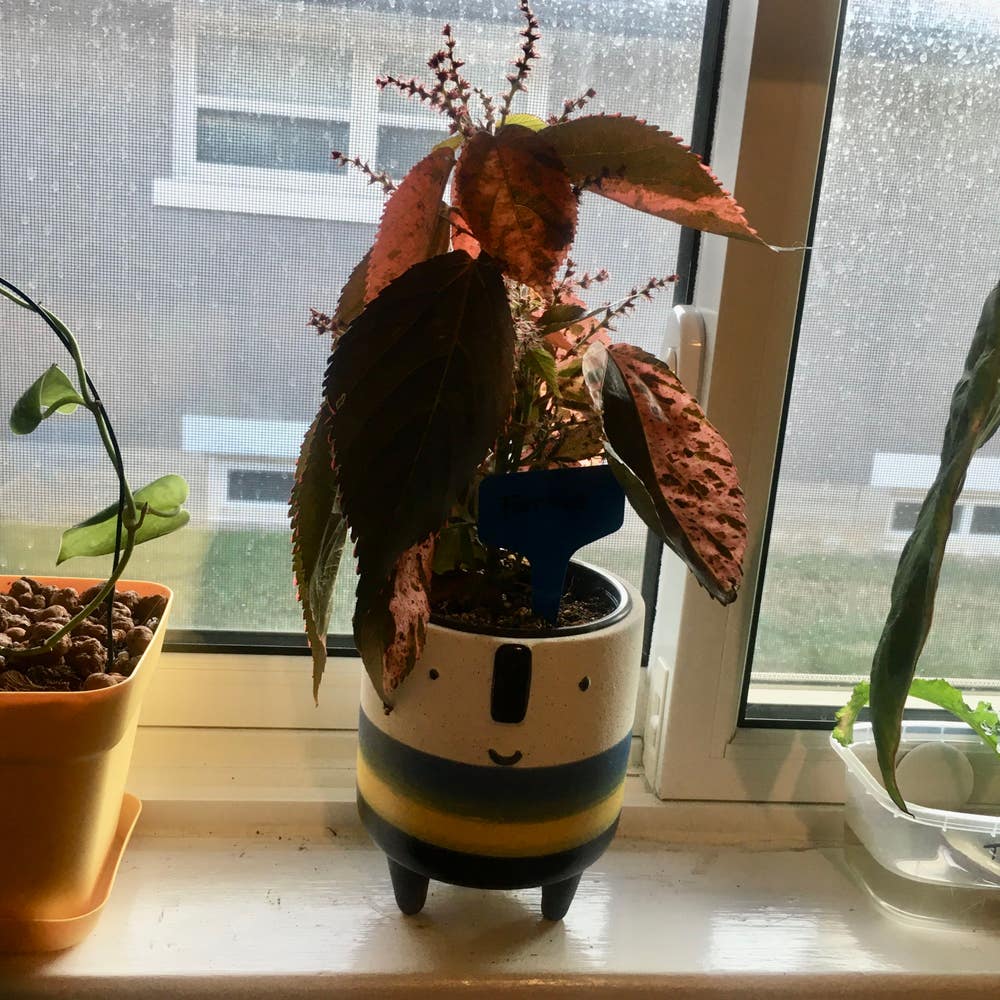
Acalypha is a feast for the eyes with its vibrant foliage. The unique leaf shapes and colors—ranging from lush green to striking red and purple—make it a standout in any garden.
Its bushy, upright form typically reaches heights of 1 to 3 feet, creating a lush backdrop. The plant also produces attractive, often inconspicuous flowers that can easily catch the attention of pollinators.
🍓 Fruits and Flowers
The fruits of Acalypha are not only bright but also sweet, making them irresistible to various herbivores. These colorful fruits serve as a natural lure, drawing in animals looking for a tasty snack.
In addition to fruits, the nectar-rich flowers attract both pollinators and herbivores alike. Young shoots are especially tender and nutritious, appealing to many garden animals eager for a fresh meal.
This combination of vibrant colors and nutritional value makes Acalypha a magnet for wildlife, highlighting its role in the garden ecosystem. As we explore the common herbivores that affect Acalypha, understanding these appealing features will help us devise effective protection strategies.
Common Herbivores Affecting Acalypha
🦌 Deer
Signs of Presence and Damage Caused
Deer are notorious for their browsing habits. Look for irregularly chewed leaves, typically at a height of 2-4 feet, and distinctive hoof prints in muddy areas near your Acalypha.
Beneficial or Harmful Interaction
Unfortunately, deer interactions are generally harmful. They can decimate Acalypha populations if not managed effectively.
Deterrent Methods
To keep deer at bay, consider using commercial deer repellents with strong scents. Alternatively, planting deer-resistant species nearby or using human hair and soap shavings can also deter these hungry visitors.
🐇 Rabbits
Signs of Presence and Damage Caused
Rabbits leave their mark with gnawed stems and leaves, often showing clean cuts at a 45-degree angle. You might also find small, round pellets scattered near the plant.
Beneficial or Harmful Interaction
Like deer, rabbits are generally harmful. They can severely damage young plants and new growth, making them a significant threat.
Deterrent Methods
To protect your Acalypha from rabbits, use bitter-tasting sprays as chemical deterrents. Organic methods include erecting fencing that is 2-3 feet high and using repellents like cayenne pepper.
🐿️ Squirrels
Signs of Presence and Damage Caused
Squirrels can be quite destructive, leaving chewed leaves and stems with irregular holes and frayed edges. Look for nesting signs, such as drey nests in nearby trees.
Beneficial or Harmful Interaction
Squirrels are generally harmful to Acalypha. They can cause significant damage, especially to young plants.
Deterrent Methods
To deter squirrels, consider using commercial squirrel repellents. Organic scare tactics, like reflective tape and noise makers, can also be effective.
🐦 Birds
Signs of Presence and Damage Caused
Birds can be both friends and foes. Look for pecked fruits and flowers, which may have holes or missing petals, and signs of nesting activity in nearby trees or shrubs.
Beneficial or Harmful Interaction
Bird interactions are mixed. While some birds help pollinate, others can damage the plant.
Deterrent Methods
To manage birds, use non-toxic bird repellents as chemical deterrents. Organic methods include netting over plants and placing reflective objects to deter them.
🐭 Rodents (Mice, Voles, etc.)
Signs of Presence and Damage Caused
Rodents can be sneaky. Look for chewed roots and stems with gnaw marks at soil level, as well as burrowing tunnels near the base of the plant.
Beneficial or Harmful Interaction
Rodents are generally harmful. They can undermine the health and stability of your Acalypha.
Deterrent Methods
For rodent control, consider using bait stations as chemical deterrents. Organic methods include trapping and utilizing natural predators, such as cats.
🦡 Groundhogs/Woodchucks
Signs of Presence and Damage Caused
Groundhogs leave distinctive signs, including large bites on stems and leaves. You may also find burrows—holes in the ground near your Acalypha.
Beneficial or Harmful Interaction
Groundhogs are generally harmful. They can cause extensive damage to the plant if left unchecked.
Deterrent Methods
To deter groundhogs, use commercial repellents specifically designed for them. Organic methods include fencing that is 3-4 feet high and planting deterrent plants like garlic.
Understanding these common herbivores and their impacts on Acalypha is crucial for maintaining a healthy garden. With the right deterrent methods, you can protect your plants while fostering a balanced ecosystem. Next, let’s explore the beneficial animals that are attracted to Acalypha and how they contribute positively to your garden.
Beneficial Animals Attracted to Acalypha
🐝 Description of Beneficial Animals
Acalypha plants are a magnet for beneficial wildlife. Pollinators like bees and butterflies flock to their nectar-rich flowers, playing a crucial role in the ecosystem.
In addition to pollinators, predatory insects such as ladybugs and lacewings also find a home among Acalypha. These helpful critters are nature's pest control, keeping harmful insect populations in check.
🌿 Positive Impacts on the Garden Ecosystem
The presence of these beneficial animals leads to enhanced pollination, which is vital for better fruit and seed production. When pollinators thrive, your garden flourishes, resulting in a vibrant and productive landscape.
Moreover, the natural pest control provided by predatory insects reduces the need for chemical interventions. This not only promotes a healthier garden but also contributes to a more sustainable environment.
By attracting these beneficial animals, Acalypha plants not only beautify your garden but also support a thriving ecosystem. Embracing these natural allies can lead to a more balanced and resilient garden environment.
As we explore the various challenges posed by herbivores, it's essential to remember the positive contributions of these beneficial animals. They play a pivotal role in maintaining the health of your Acalypha and the surrounding ecosystem.
General Strategies for Protecting Acalypha
🛡️ Preventive Measures Against Herbivore Damage
To safeguard your Acalypha, start with plant selection. Opt for resistant varieties or companion plants that deter herbivores naturally.
Next, consider physical barriers. Installing fencing or netting can effectively shield young plants from hungry animals, providing a protective buffer.
🐾 Reactive Solutions for Managing Animal Interactions
Regular monitoring is crucial. Conduct checks for signs of herbivore activity, such as chewed leaves or droppings, to catch potential issues early.
When you notice signs of damage, take immediate action. Implement deterrents right away to minimize further harm to your plants.
🌱 Balancing Ecosystem Health While Protecting Acalypha
It's essential to strike a balance between protecting your Acalypha and encouraging beneficial wildlife. While some animals can be harmful, others play a vital role in pollination and pest control.
Understanding the role of herbivores in the ecosystem can help you manage interactions more effectively. By fostering a healthy garden environment, you can enjoy the beauty of Acalypha while maintaining ecological balance.
With these strategies in place, you can create a thriving garden that supports both your plants and the wildlife around them. Next, let’s explore the seasonal considerations that affect animal interactions with Acalypha.
Seasonal Considerations
🐇 Seasonal Variations in Animal Attraction to Acalypha
As the seasons change, so does the activity of animals drawn to Acalypha.
In spring, rabbits and deer become particularly active, seeking out the tender new shoots that emerge. These herbivores are on the lookout for fresh greens, making your Acalypha a prime target.
During summer, the focus shifts to birds. They are attracted to the vibrant fruits and flowers, enjoying the nectar and seeds that Acalypha provides. This is a time when your garden can become a bustling hub of avian activity.
As fall approaches, groundhogs begin preparing for winter. Their foraging can lead to significant damage, as they munch on the foliage to build up their reserves.
⏰ Timing of Plant Vulnerability and Animal Activity
Understanding when your Acalypha is most vulnerable is crucial for effective protection.
Young plants are particularly susceptible in early spring, as they are just starting to establish themselves. This is when proactive measures are essential to safeguard their growth.
On the other hand, mature plants can often withstand some herbivore activity later in the season. Their established roots and tougher foliage make them less appealing to hungry animals.
By being aware of these seasonal patterns, you can better protect your Acalypha and ensure its thriving presence in your garden. This knowledge sets the stage for effective management strategies as we move forward.
Toxicity and Safety
🐾 Toxic Effects of Acalypha on Animals
Acalypha plants can pose potential toxicity risks to herbivores. Some species may lead to gastrointestinal upset, resulting in symptoms like vomiting, diarrhea, and lethargy.
⚠️ Safety Considerations for Gardeners and Pets
Gardeners should be aware of Acalypha's toxicity, especially when planting in areas accessible to pets. It's essential to educate others about the risks associated with these plants to ensure a safe garden environment.
Understanding these safety aspects helps maintain a healthy balance in your garden while protecting both your plants and the animals that may interact with them.
⚠️ Safety First
This content is for general information and may contain errors, omissions, or outdated details. It is not medical, veterinary advice, or an endorsement of therapeutic claims.
Always consult a qualified healthcare professional before using any plant as food, medicine, or supplement.
Never eat any plant (or feed one to pets) without confirming its identity with at least two trusted sources.
If you suspect poisoning, call Poison Control (800) 222-1222, the Pet Poison Helpline (800) 213-6680, or your local emergency service immediately.
Spotted an error? Please report it here.
Keep your Acalypha thriving 🌿 by using Greg's personalized tips for monitoring herbivores and attracting beneficial wildlife to your garden!