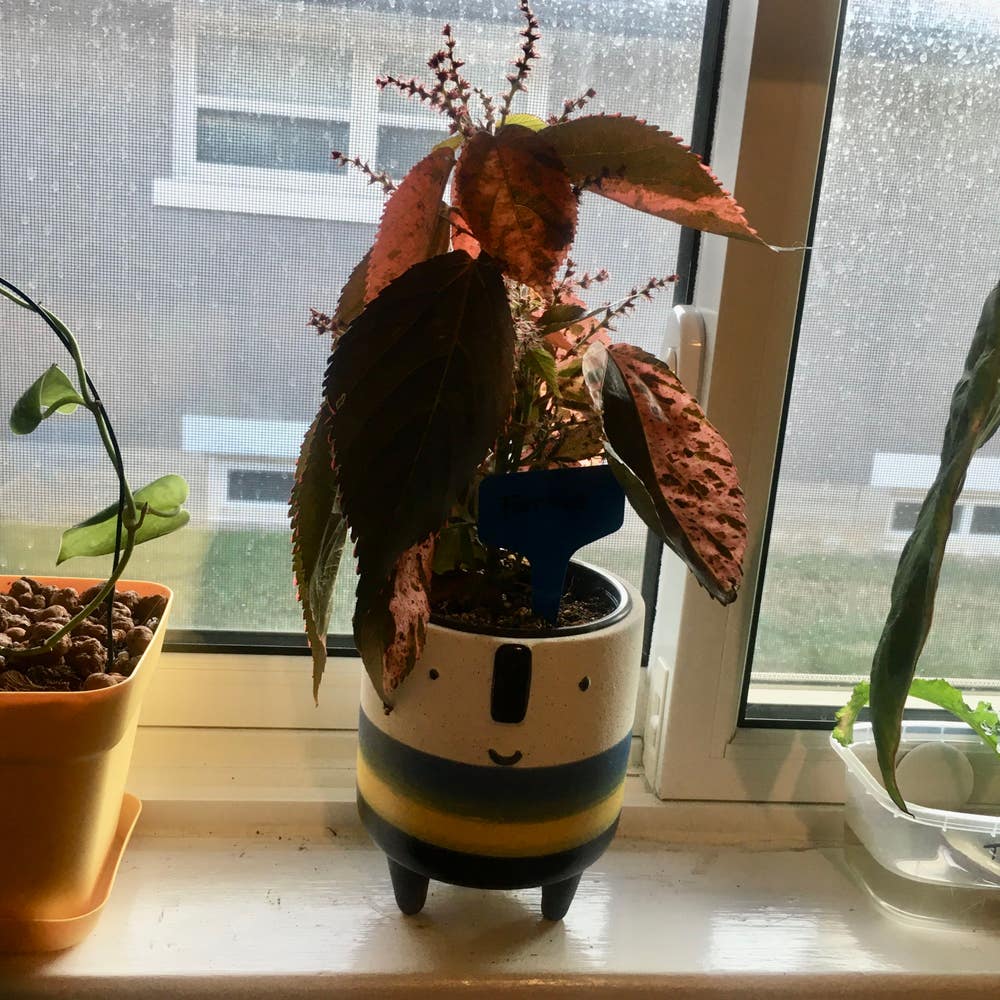
Acalypha: Not an Annual 📅
Acalypha spp.
By the Greg Editorial Team
Nov 08, 2024•5 min read
This article was created with the help of AI so we can cover more plants for you. May contain errors. See one? Report it here.
- 🌱 Acalypha is a perennial, thriving year-round with unique growth stages and resilience.
- 🌿 Deep roots and optimal leaf structure support nutrient absorption and photosynthesis.
- 🌼 Dynamic flowering cycles allow Acalypha to bloom multiple times, attracting pollinators.
Acalypha's Perennial Nature
🌱 Genetic Characteristics
Acalypha plants exhibit unique chromosomal structures that enable them to thrive as perennials. These adaptations support long-term growth, allowing them to endure various environmental challenges.
Their genetic resilience is remarkable, equipping Acalypha to survive adverse conditions such as drought and extreme temperatures. This ability ensures that they can bounce back even after tough seasons.
🌿 Physiological Traits Supporting Perennial Growth
The root system of Acalypha is deep and extensive, which plays a crucial role in nutrient and water absorption. This robust root architecture allows the plant to access resources that are often out of reach for shallower-rooted species.
Additionally, the leaf structure of Acalypha is specially adapted for photosynthesis over multiple seasons. This trait not only maximizes energy capture but also supports sustained growth throughout the year.
📅 Long-Term Lifecycle and Growth Patterns
Acalypha undergoes distinct growth stages: juvenile, mature, and senescent phases. Each stage represents a critical period in the plant's development, contributing to its overall lifecycle.
Seasonal behavior is another fascinating aspect of Acalypha. The plant actively grows during warm months, entering a state of dormancy when cooler temperatures arrive. This cyclical pattern is essential for its survival and longevity.
With these characteristics, Acalypha stands out as a resilient perennial, ready to thrive in diverse environments. Next, we will explore its reproductive strategies, which further enhance its ability to flourish year after year.
Reproductive Strategies
🌸 Flowering Cycles
Acalypha is known for its vibrant and dynamic flowering cycles. These plants can bloom multiple times throughout the year, providing a continuous display of color and attracting a variety of pollinators.
The unique flower spikes of Acalypha are not just visually striking; they play a crucial role in its reproductive success. These spikes are designed to attract bees, butterflies, and other beneficial insects, ensuring effective pollination.
🌱 Seed Production and Dispersal
One of Acalypha's remarkable traits is its ability to produce seeds several times a year. This prolific seed production enhances its chances of survival and expansion in various environments.
Acalypha employs diverse methods for seed dispersal. Seeds can be carried by the wind, washed away by water, or even transported by animals, allowing the plant to colonize new areas effectively.
This adaptability in reproductive strategies ensures that Acalypha thrives in different conditions, making it a resilient choice for gardeners.
As we explore the variations and exceptions of Acalypha, we’ll see how environmental factors can influence its growth and classification.
Variations and Exceptions
🌍 Conditions Affecting Classification
Acalypha's classification as a perennial can be influenced by several environmental factors. Frost, extreme temperatures, and drought can significantly impact its growth and longevity.
Improper cultivation practices can also lead to a shorter lifespan for Acalypha. Neglecting soil quality or watering needs may hinder its ability to thrive.
🏞️ Regional Variations
The climate plays a crucial role in how Acalypha behaves across different regions. Tropical climates often support lush growth, while temperate regions may present challenges.
Moreover, certain varieties of Acalypha adapt uniquely to local conditions. Understanding these regional differences can help gardeners choose the right type for their environment.
As we explore gardening with Acalypha, it's essential to consider these variations to ensure successful growth and vibrant displays.
Gardening with Acalypha
🌈 Advantages in Garden Design
Acalypha brings vibrant foliage and unique flower spikes that can transform any garden into a visual delight. Its striking appearance makes it a fantastic choice for adding color and texture to your landscape.
Acalypha is also incredibly versatile. Whether you’re designing borders, filling containers, or creating lush tropical gardens, this perennial fits seamlessly into various settings.
🏗️ Planning for Acalypha as a Perennial
When planning your Acalypha garden, consider spacing carefully. Allow enough room for bushy growth, which can enhance the overall aesthetic and health of the plants.
Companion planting is another strategy to boost biodiversity. Pairing Acalypha with other perennials can create a thriving ecosystem that benefits all plants involved.
🌱 Management Tips for Longevity
To keep your Acalypha thriving, focus on soil requirements. It thrives in well-draining, nutrient-rich soil that supports its growth.
Watering practices are equally important. Aim for consistent moisture without waterlogging, as this can lead to root issues.
✂️ Best Practices for Care
Regular pruning is essential for promoting bushiness and encouraging flowering. Trim your Acalypha periodically to maintain its shape and vitality.
Fertilization during active growth periods is also crucial. Use balanced nutrients to support robust growth and vibrant blooms.
❄️ Seasonal Considerations
In cooler climates, winter care is vital. Protect your Acalypha from frost to ensure it survives the colder months.
During summer, ensure adequate hydration and sunlight. This will help your plants flourish and maintain their stunning appearance.
🐛 Troubleshooting Common Issues
Identifying pests early can save your Acalypha from significant damage. Keep an eye out for common pests and apply appropriate control methods when necessary.
Disease management is equally important. Recognizing signs of disease early allows for timely intervention, helping to maintain the health of your plants.
With these tips, you can create a thriving Acalypha garden that not only looks beautiful but also stands the test of time. Next, let’s explore the variations and exceptions that can affect Acalypha’s growth and classification.
⚠️ Safety First
This content is for general information and may contain errors, omissions, or outdated details. It is not medical, veterinary advice, or an endorsement of therapeutic claims.
Always consult a qualified healthcare professional before using any plant as food, medicine, or supplement.
Never eat any plant (or feed one to pets) without confirming its identity with at least two trusted sources.
If you suspect poisoning, call Poison Control (800) 222-1222, the Pet Poison Helpline (800) 213-6680, or your local emergency service immediately.
Spotted an error? Please report it here.
Unlock the perennial potential of Acalypha in your garden with Greg's tailored watering and care reminders, ensuring your vibrant plants flourish all year round! 🌿