🌼 Understanding Why Your Acalypha Is Wiling
Acalypha spp.
By the Greg Editorial Team
Nov 08, 2024•5 min read
This article was created with the help of AI so we can cover more plants for you. May contain errors. See one? Report it here.
- 💧 Wilting in Acalypha often signals water stress from overwatering or underwatering.
- ☀️ Heat stress and environmental conditions significantly impact Acalypha health and wilting.
- 🌱 Regularly assess soil moisture and humidity to prevent and treat wilting effectively.
Common Causes of Wilting Leaves
💧 Water Stress
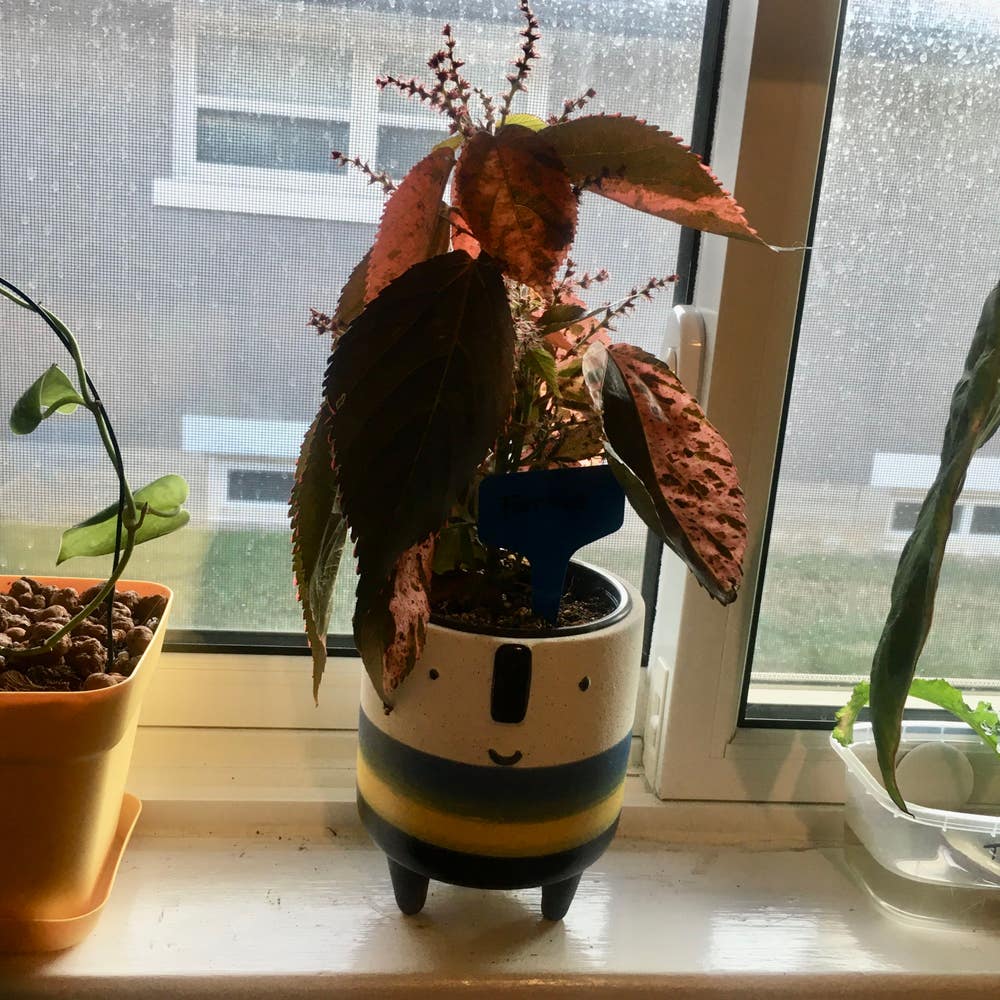
Wilting leaves often signal water stress in your Acalypha. Symptoms include drooping leaves, dry soil, and leaf curling, which can stem from either underwatering or overwatering, both of which can lead to root damage.
☀️ Heat Stress
Heat stress is another common culprit behind wilting. You might notice your plant wilting during the hottest part of the day or developing leaf scorch due to excessive sunlight exposure or high ambient temperatures.
🦠 Disease-Related Wilting
While diseases like root rot and fungal infections can cause wilting, they are less common than environmental stressors. It's essential to recognize that most wilting issues arise from care practices rather than pathogenic problems.
Understanding these causes is crucial for effective plant care. By identifying the signs early, you can take action to revive your Acalypha and keep it thriving. Next, let’s explore how to diagnose wilting in your plant.
Diagnosing Wilting
Diagnosing why your Acalypha is wilting can be straightforward if you know what to look for. Start by assessing soil moisture to determine if it’s too dry or soggy.
🌱 Assess Soil Moisture
Check the soil with your fingers. If it feels dry several inches down, your plant may be underwatered. Conversely, if it’s overly wet and clumping, you might be overwatering.
🌡️ Observe Environmental Conditions
Next, take note of the temperature and humidity levels around your plant. Extreme heat or low humidity can contribute to wilting.
🍃 Inspect Leaves
Look closely at the leaves for any signs of pests or disease. Discoloration, spots, or webbing can indicate a problem that needs addressing.
💧 Evaluate Watering Habits
Review how often and how much you water your Acalypha. Inconsistent watering can lead to stress, causing wilting.
Signs to Look For
Identifying the signs of wilting can help you act quickly. Pay attention to the leaf turgor, color changes, and growth patterns.
🌿 Leaf Turgor
Check if the leaves feel firm or soft. Firm leaves indicate good hydration, while soft leaves suggest your plant is struggling.
🎨 Color Changes
Look for yellowing or browning edges on the leaves. These color changes can signal stress from environmental factors or disease.
📏 Growth Patterns
Monitor for stunted growth or a leggy appearance. If your Acalypha isn’t growing as expected, it may be a sign of underlying issues.
By carefully diagnosing these factors, you can better understand your Acalypha's needs and take appropriate action. This proactive approach will set the stage for effective solutions to revive your plant.
Solutions for Wilting
💧 Addressing Water Stress
Water stress is a common culprit behind wilting leaves. If your Acalypha is underwatered, increase the watering frequency to keep the soil consistently moist, but avoid waterlogging.
Conversely, if overwatering is the issue, allow the soil to dry out. Improving drainage and considering repotting can help if root rot is suspected.
☀️ Managing Heat Stress
Heat stress can also lead to wilting. To combat this, relocate your plant to a shadier spot during the hottest parts of the day.
Additionally, enhancing humidity can make a significant difference. Use a humidity tray or mist the leaves to increase moisture levels around your plant.
🦠 Solutions for Disease-Related Wilting
Disease-related wilting, while less common, can still occur. Identifying root rot is crucial; look for signs like mushy roots and a foul odor.
If you suspect disease, treat it promptly. Remove affected roots, repot the plant in fresh soil, and adjust your watering practices to prevent recurrence.
🌱 Techniques for Reviving a Wilted Plant
Reviving a wilted Acalypha requires some specific techniques. Bottom watering is effective; it allows the plant to absorb water from the bottom, reducing stress.
You might also consider temporarily relocating the plant to a cooler, shaded area until you see signs of recovery. Pruning damaged leaves can encourage new growth, so don’t hesitate to cut back severely wilted foliage.
By implementing these solutions, you can help your Acalypha bounce back from wilting and thrive once again. Next, let’s explore preventive measures to keep your plant healthy and vibrant.
Preventive Measures
Best Practices to Minimize Wilting 🌱
To keep your Acalypha thriving, establish a regular watering schedule. This routine should adapt to environmental conditions, ensuring your plant receives the right amount of moisture.
Choosing the right soil is equally crucial. A well-draining potting mix prevents water retention issues that can lead to root rot and wilting.
Environmental Adjustments 🌤️
Placement matters! Position your Acalypha in a spot with indirect sunlight to shield it from harsh rays. Stable temperatures will help maintain its health and vigor.
Humidity control is another key factor. Aim to keep humidity levels around 50-70% for optimal growth, as this range supports the plant's natural environment.
By implementing these preventive measures, you can significantly reduce the risk of wilting in your Acalypha. With proper care and attention, your plant will flourish, setting the stage for a vibrant display in your home.
Next, let’s explore when it’s time to seek help for your wilting plant.
When to Seek Help
🚨 Signs That Require Expert Assistance
Sometimes, despite your best efforts, your Acalypha may continue to wilt. If you notice persistent wilting even after adjusting your care routine, it’s time to consider seeking help.
Another red flag is the presence of pests or disease symptoms that are hard to identify. If you’re unsure about what’s affecting your plant, don’t hesitate to reach out for expert advice.
🛠️ Resources for Care Support
Local nurseries can be a fantastic resource for expert advice tailored to your specific plant issues. They often have knowledgeable staff who can provide insights based on firsthand experience.
Additionally, online communities like Greg offer a wealth of plant care solutions and support. Engaging with fellow plant enthusiasts can help you troubleshoot problems and share tips for keeping your Acalypha thriving.
By knowing when to seek help and where to find it, you can ensure your plant gets the care it needs to flourish.
⚠️ Safety First
This content is for general information and may contain errors, omissions, or outdated details. It is not medical, veterinary advice, or an endorsement of therapeutic claims.
Always consult a qualified healthcare professional before using any plant as food, medicine, or supplement.
Never eat any plant (or feed one to pets) without confirming its identity with at least two trusted sources.
If you suspect poisoning, call Poison Control (800) 222-1222, the Pet Poison Helpline (800) 213-6680, or your local emergency service immediately.
Spotted an error? Please report it here.
Revive your wilting Acalypha by understanding its needs, and let Greg's custom watering reminders 🌿 guide you to keep it healthy and thriving!