🚫 Acalypha: An Invasive Plant
Acalypha spp.
By the Greg Editorial Team
Nov 08, 2024•5 min read
This article was created with the help of AI so we can cover more plants for you. May contain errors. See one? Report it here.
- 🌱 Acalypha is invasive, rapidly outcompeting native plants and disrupting ecosystems.
- 🔍 Identify Acalypha by its lobed leaves and small flower clusters for effective management.
- ⚠️ Prevent spread through early detection and maintaining healthy native plant communities.
Plant Classification
🌱 Definition of Weeds and Invasive Species
Weeds are plants that grow where they aren't wanted, often causing harm to cultivated plants. They can disrupt gardens, farms, and natural ecosystems, making them a nuisance for gardeners and landowners alike.
Invasive species, on the other hand, are non-native plants that spread aggressively. They disrupt local ecosystems, outcompeting native flora and fauna, and can lead to significant ecological imbalances.
🚫 Criteria for Classifying Acalypha as Invasive
Acalypha is classified as invasive due to its rapid spread. This plant can quickly dominate areas, outcompeting native species for sunlight, water, and nutrients.
Its competitive nature is further enhanced by high growth rates and effective reproductive strategies. Acalypha produces a large number of seeds that can germinate in various conditions, ensuring its survival and proliferation in diverse environments.
Identification
Key Identifying Features 🌿
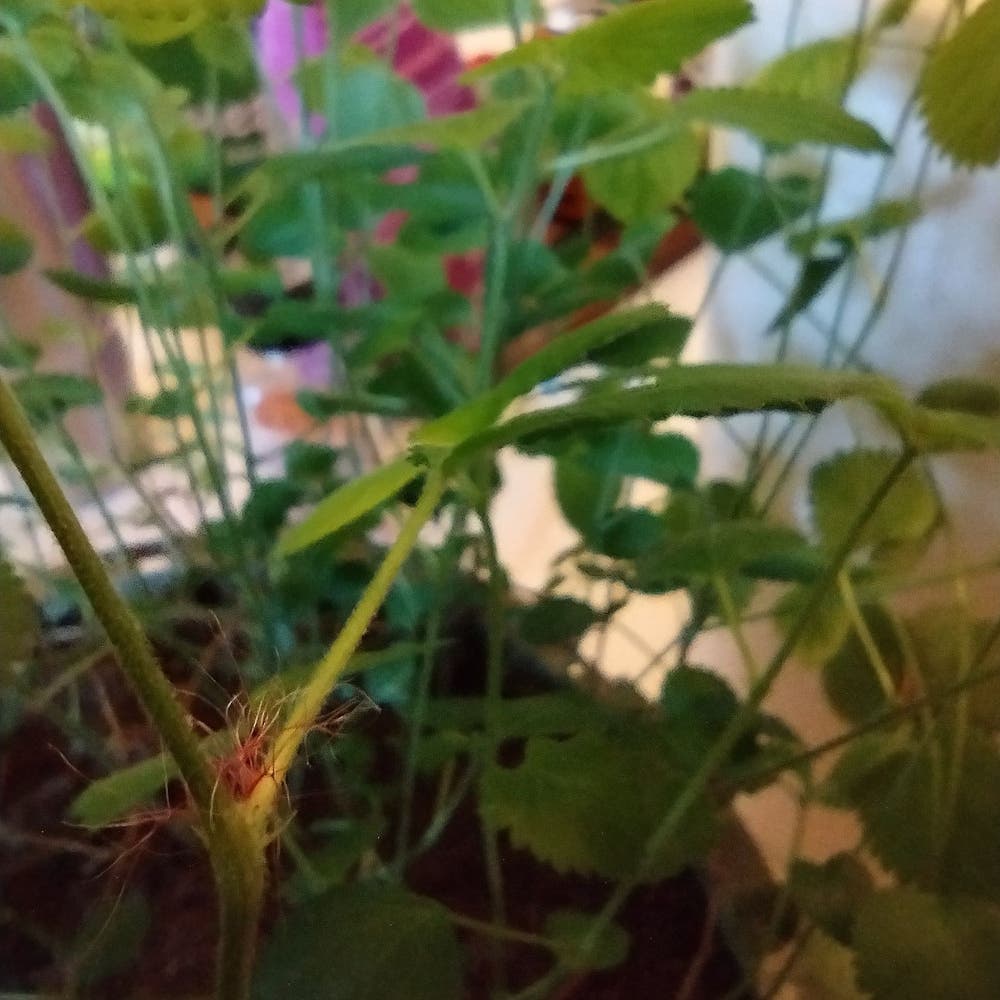
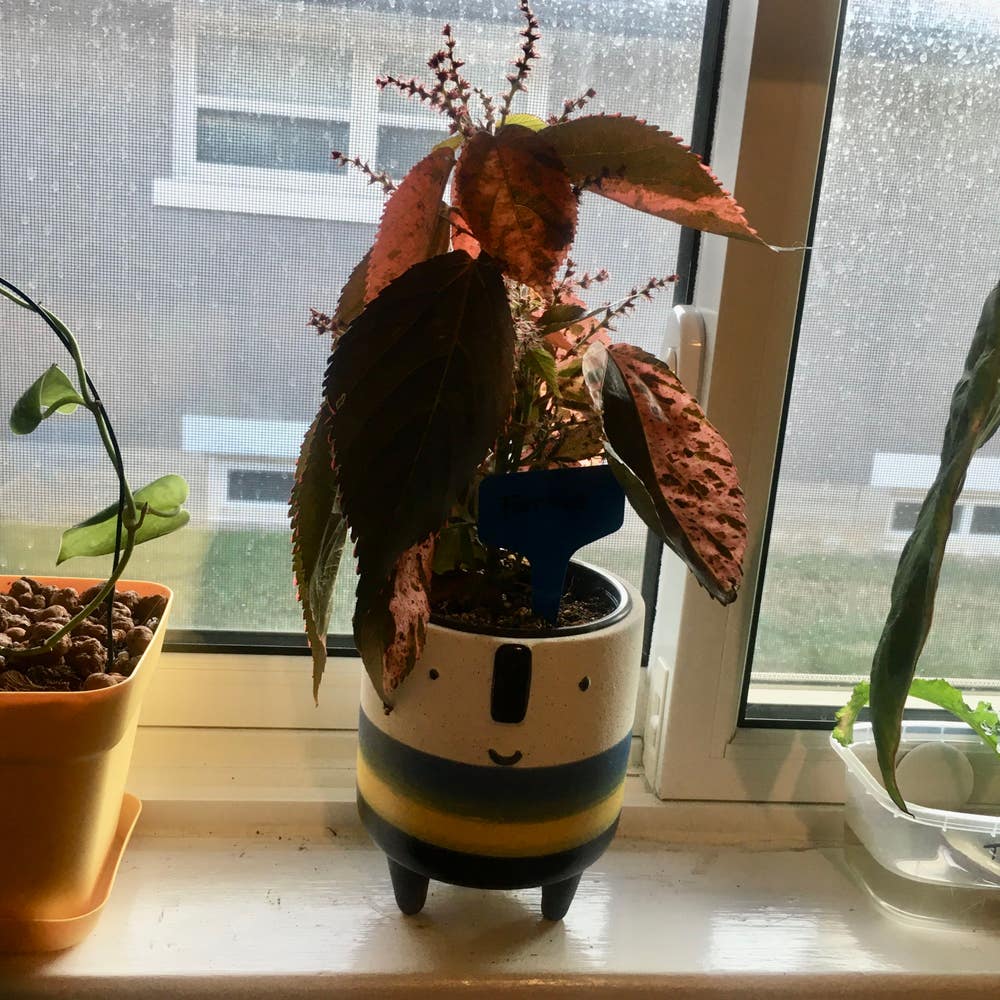
Acalypha is easily recognized by its distinctive leaves, which often feature a lobed or serrated shape. The texture can vary, but they generally have a rough feel that sets them apart from many other plants.
The flowers of Acalypha are another identifying characteristic. They grow in clusters and are often small and inconspicuous, with variations depending on the specific species. This subtlety can make them easy to overlook, but knowing what to look for is crucial.
Comparison with Look-Alike Plants 👀
When identifying Acalypha, it’s essential to distinguish it from similar species, such as Euphorbia. One key difference is in the leaf shape; while Euphorbia leaves may be more rounded, Acalypha’s are typically more jagged.
Additionally, the flower structure can help in identification. Euphorbia often has more prominent flowers, while Acalypha’s blooms are less showy. Recognizing these features can prevent confusion and aid in effective management of this invasive plant.
Understanding these identifying traits is vital for anyone looking to control Acalypha in their gardens or local ecosystems. With this knowledge, you can take proactive steps to manage its spread effectively.
Next, we will explore Acalypha's growth habits and how it spreads in various environments.
Growth Habits and Spread
Typical Growth Patterns 🌱
Acalypha is known for its rapid growth, often reaching heights of 3 to 6 feet under optimal conditions. Its bushy or sprawling growth form allows it to create dense thickets, which can quickly dominate an area.
Reproductive Strategies and Methods of Spread 🌼
This invasive plant excels in reproduction, producing a high volume of seeds capable of germinating in a variety of conditions. Additionally, Acalypha can propagate vegetatively, meaning it can grow from stem cuttings or even root fragments, making it particularly resilient.
Environmental Conditions Favoring Success ☀️
Acalypha thrives in disturbed soils, which include gardens and agricultural fields. These environments provide the perfect conditions for its aggressive growth and spread, allowing it to outcompete native plants effectively.
Understanding these growth habits and reproductive strategies is crucial for managing Acalypha's spread. By recognizing its preferred conditions, we can better implement control measures and protect native ecosystems.
Ecological and Economic Impact
🌱 Effects on Native Plant Communities
Acalypha poses a significant threat to native plant communities by aggressively outcompeting them for essential resources like sunlight, water, and nutrients. This competition can lead to a dramatic reduction in biodiversity, as native species struggle to survive in the shadow of this invasive plant.
💸 Economic Losses Associated with Acalypha
The economic impact of Acalypha is multifaceted. Land management and restoration efforts to control its spread can incur substantial costs, straining budgets for local governments and private landowners alike.
In heavily infested areas, property values may also decline, as potential buyers often shy away from landscapes dominated by invasive species. This economic ripple effect underscores the importance of addressing Acalypha infestations promptly and effectively.
As we delve deeper into the control and management of Acalypha, understanding its ecological and economic ramifications will guide our strategies for effective intervention.
Control and Management
🌱 Manual Removal Techniques and Best Practices
Hand-pulling Acalypha is a straightforward yet effective method for managing small infestations. It's crucial to remove the entire root system to prevent any chance of regrowth.
Mowing can also be beneficial in controlling Acalypha populations. Regular mowing disrupts seed production, but be prepared for multiple sessions to keep the plant in check.
🧪 Chemical Control Options and Safety Considerations
When manual methods aren't enough, herbicides can provide a more aggressive approach to control Acalypha. Look for recommended products that target invasive species and follow application guidelines closely for the best results.
Safety is paramount when using chemicals. Always wear protective gear and consider the environmental impact of herbicides to ensure that you’re not harming beneficial plants or wildlife.
🚫 Preventive Measures to Limit Spread
Preventing Acalypha from establishing in your garden starts with good management practices. Regularly monitor your garden for new growth and promptly address any signs of invasion.
Maintaining healthy native plant communities is essential. A diverse ecosystem can help outcompete invasive species like Acalypha, reducing their chances of taking hold.
🔍 Importance of Early Detection and Rapid Response
Early detection is key in managing Acalypha effectively. Implement strategies for monitoring your garden, such as regular inspections, to catch any new infestations before they spread.
A rapid response can make all the difference. If you spot Acalypha, act quickly to remove it and prevent further establishment, safeguarding your local ecosystem from its invasive tendencies.
By employing these control and management techniques, you can help protect your garden and local environment from the impacts of Acalypha. Transitioning to the next topic, let’s explore the ecological and economic impacts of this invasive plant.
⚠️ Safety First
This content is for general information and may contain errors, omissions, or outdated details. It is not medical, veterinary advice, or an endorsement of therapeutic claims.
Always consult a qualified healthcare professional before using any plant as food, medicine, or supplement.
Never eat any plant (or feed one to pets) without confirming its identity with at least two trusted sources.
If you suspect poisoning, call Poison Control (800) 222-1222, the Pet Poison Helpline (800) 213-6680, or your local emergency service immediately.
Spotted an error? Please report it here.
Stay vigilant against Acalypha's invasion 🚫 by using Greg's plant identification features to catch it early and protect your garden's biodiversity!