🔍 Understanding Brown Spots on Your Acalypha Leaves
Acalypha spp.
By the Greg Editorial Team
Nov 08, 2024•6 min read
This article was created with the help of AI so we can cover more plants for you. May contain errors. See one? Report it here.
- 🌱 Brown spots on Acalypha arise from infections, stress, or nutrient issues.
- 💧 Maintain humidity (50-70%) and temperature (20°C-30°C) for optimal Acalypha health.
- 🦠 Regular inspections and treatments prevent disease spread and maintain leaf vitality.
Common Causes of Brown Spots
🦠 Fungal Infections
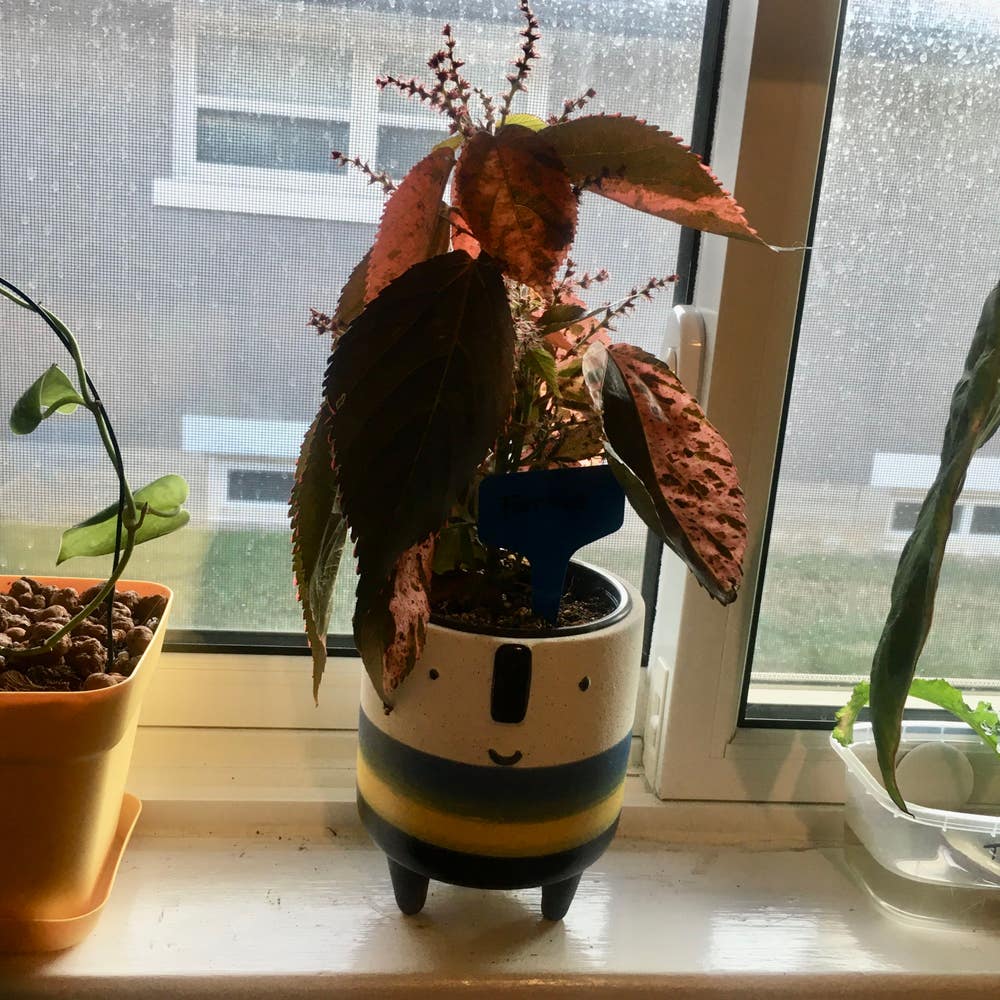
Fungal infections are a primary culprit behind brown spots on Acalypha leaves. You can identify these leaf spots by their irregular shapes, often accompanied by yellow halos.
Common fungal diseases affecting Acalypha include anthracnose and leaf blight. These thrive in conditions with high humidity and poor air circulation, making it essential to monitor your plant's environment.
🦠 Bacterial Infections
Bacterial infections present differently, typically showing symptoms like a water-soaked appearance and dark brown edges on the leaves. The most common bacterial disease is bacterial leaf spot.
Factors that contribute to bacterial infections include wet foliage and overcrowding. Keeping your plants spaced adequately can help prevent these issues.
🌡️ Environmental Stress
Environmental stress can also lead to brown spots on your Acalypha. Temperature fluctuations, especially extreme heat or cold, can cause significant stress to the plant.
Humidity levels are crucial; Acalypha thrives in high humidity, and low humidity can lead to leaf damage. Additionally, light exposure plays a role—too much direct sunlight or insufficient light can both be detrimental.
🥦 Nutrient Deficiencies
Nutrient deficiencies are another common cause of brown spots. Deficiencies in nitrogen, potassium, and magnesium can lead to noticeable symptoms.
Signs of nutrient deficiency include yellowing leaves, stunted growth, and browning at the leaf tips. Conducting soil tests is vital for assessing nutrient levels and ensuring balanced fertilization.
Understanding these common causes is the first step in addressing brown spots on your Acalypha leaves. With this knowledge, you can move on to diagnosing the specific issues affecting your plant's health.
Diagnosing the Problem
🌞 Assessing Environmental Conditions
To keep your Acalypha thriving, start by evaluating its light requirements. These plants prefer bright, indirect light, which helps prevent brown spots and promotes healthy growth.
Humidity is another critical factor; aim to maintain levels between 50-70%. This range mimics their natural habitat and supports vibrant foliage.
Temperature also plays a significant role. Acalypha flourishes in temperatures between 20°C to 30°C (68°F to 86°F), so avoid exposing them to extreme heat or cold.
💧 Evaluating Watering Practices
Next, assess your watering practices to ensure your Acalypha is getting just the right amount. Overwatering is a common issue, leading to yellowing leaves, mushy stems, and even root rot.
Conversely, underwatering can cause crispy leaf edges and drooping leaves. A good rule of thumb is to allow the top inch of soil to dry out between waterings for optimal moisture balance.
🐜 Checking for Pests
Pests can also contribute to brown spots on your Acalypha. Keep an eye out for common culprits like aphids, which are small, green insects often found on the undersides of leaves.
Spider mites are another concern; they leave fine webbing and cause stippling on leaves. Regular inspections for these pests and their damage can help you catch issues early.
🌱 Analyzing Soil Quality and Nutrient Levels
Finally, don’t overlook the importance of soil quality. Well-draining soil is essential to prevent root rot and promote healthy growth.
Consider testing your soil for pH and nutrient levels to ensure it meets your Acalypha's needs. If deficiencies are found, amend the soil with organic compost and balanced fertilizers to restore nutrient levels.
By carefully diagnosing these factors, you can effectively address the brown spots on your Acalypha leaves and promote a healthier plant. Next, let’s explore treatment options to tackle these issues head-on.
Treatment Options
Step-by-Step Guide to Treating Brown Spots 🌱
Treating brown spots on your Acalypha starts with identifying the underlying cause. This could be fungal, bacterial, or environmental.
Next, remove any affected leaves to prevent the spread of disease. This simple step can significantly improve your plant's health.
Adjust your watering practices based on your diagnosis. Overwatering or underwatering can exacerbate the problem.
Finally, enhance the environmental conditions by optimizing light, humidity, and temperature. Acalypha thrives in a stable environment.
Recommended Fungicides and Treatments 🧪
For fungal infections, copper-based fungicides are highly effective. These treatments target the root of the problem and help restore your plant's health.
If you're dealing with bacterial issues, consider using bactericides. Always follow the label instructions for dosage and frequency to ensure safe and effective application.
Natural Remedies for Leaf Spot Issues 🌿
Neem oil is a fantastic natural remedy, effective against both pests and fungal infections. It's a go-to for many plant enthusiasts looking for organic solutions.
A baking soda solution can serve as a mild fungicide for both prevention and treatment. Regularly cleaning leaves with a damp cloth also helps remove dust and debris, promoting better photosynthesis.
Adjusting Care Practices to Improve Plant Health 🔧
Implementing a consistent watering schedule is crucial. Consider using the Greg plant care app for timely reminders.
Enhancing humidity can make a big difference. Use pebble trays or humidifiers to create a more favorable environment for your Acalypha.
Lastly, establish a fertilization schedule with a balanced NPK fertilizer every 4-6 weeks during the growing season. This will ensure your plant receives the nutrients it needs to thrive.
By following these treatment options, you can effectively manage brown spots and promote healthier growth in your Acalypha. Next, let’s explore preventive measures to keep your plant in top shape.
Preventive Measures
Best Practices for Acalypha Care 🌱
Regular inspections are key to keeping your Acalypha healthy. Look for early signs of stress or disease, such as discoloration or wilting leaves.
Maintaining optimal growing conditions is essential. Ensure your plant receives bright, indirect light, along with adequate humidity and temperature.
Seasonal Care Tips ☀️
Adjust your care practices with the changing seasons. In summer, increase watering to keep the soil moist, while in winter, reduce watering to prevent root rot.
Additionally, protect your Acalypha from cold drafts during winter months. This simple step can significantly enhance its resilience.
Importance of Proper Watering and Drainage 💧
Proper watering and drainage are crucial for Acalypha health. Always ensure pots have drainage holes to prevent waterlogging, which can lead to root rot.
Using well-draining soil mixes promotes healthy root systems. This foundation is vital for your plant's overall vitality.
Regular Inspection and Maintenance Routines 🔍
Establish a routine for regular inspections. Weekly checks for pests and diseases can help catch issues before they escalate.
Don't forget to conduct monthly soil testing to monitor nutrient levels. This proactive approach ensures your Acalypha thrives year-round.
By following these preventive measures, you can cultivate a robust and vibrant Acalypha. Next, let’s explore how to diagnose specific problems affecting your plant.
⚠️ Safety First
This content is for general information and may contain errors, omissions, or outdated details. It is not medical, veterinary advice, or an endorsement of therapeutic claims.
Always consult a qualified healthcare professional before using any plant as food, medicine, or supplement.
Never eat any plant (or feed one to pets) without confirming its identity with at least two trusted sources.
If you suspect poisoning, call Poison Control (800) 222-1222, the Pet Poison Helpline (800) 213-6680, or your local emergency service immediately.
Spotted an error? Please report it here.
Combat those pesky brown spots on your Acalypha leaves with Greg's tailored care tips 🌱, ensuring your plant thrives in its ideal environment for vibrant growth!