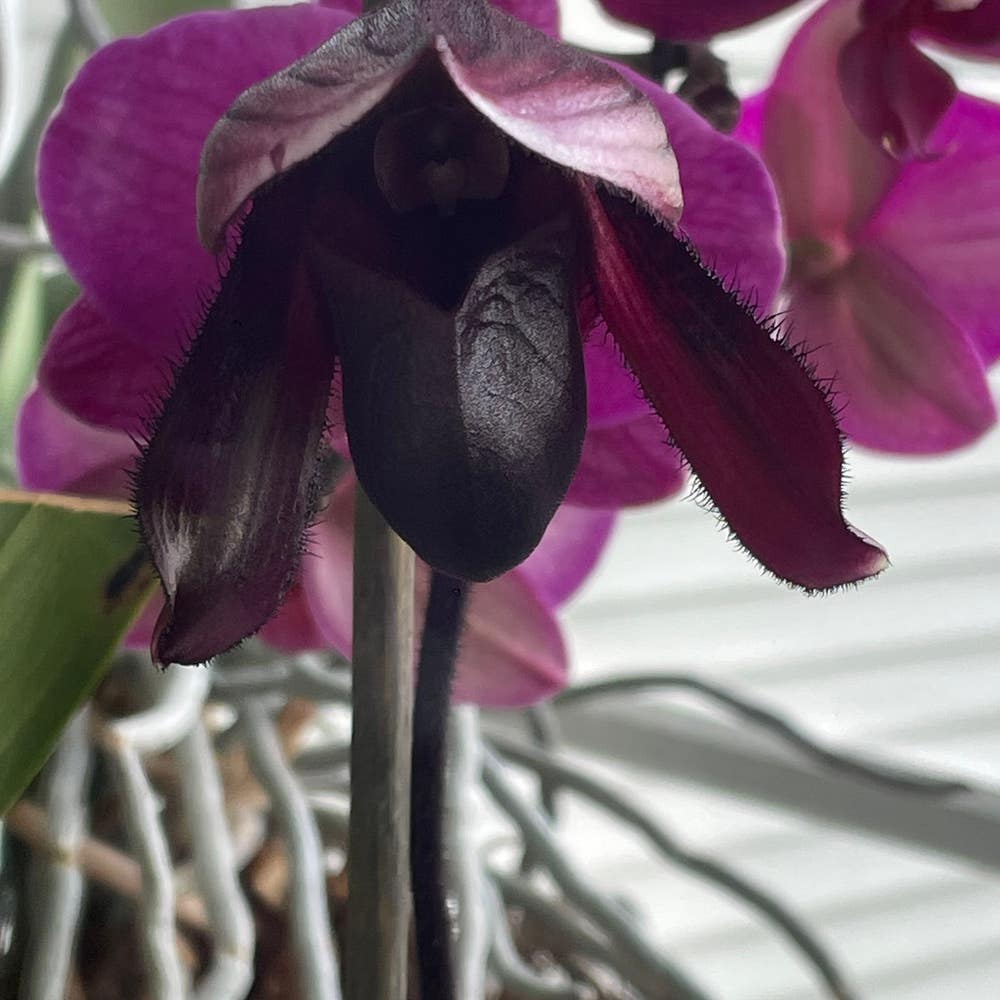
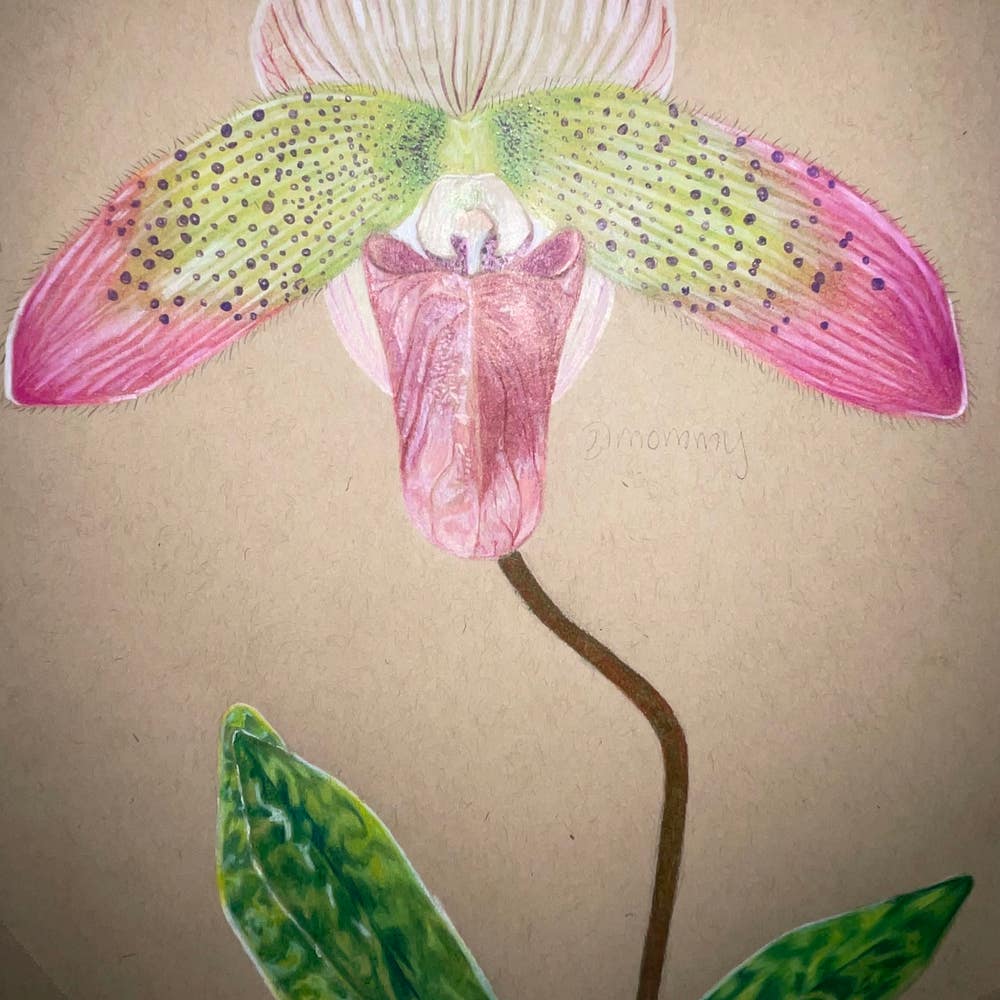
🌸 Everything You Need to Know About Ward's Paphiopedilum
Paphiopedilum wardii
By the Greg Editorial Team
Jan 23, 2025•11 min read
This article was created with the help of AI so we can cover more plants for you. May contain errors. See one? Report it here.
Discover how to grow stunning Ward's Paphiopedilum orchids 🌸 that beautify your space and purify the air!
- 🌞 Ward's Paphiopedilum thrives in bright, indirect sunlight to prevent leaf scorch.
- 💧 Water every 7-10 days to keep the potting media moist but not soggy.
- 🌿 Non-toxic to pets, making it a safe choice for homes with animals.
How to Grow
Choosing a Location 🌞
To thrive, Ward's Paphiopedilum needs bright, indirect sunlight. Direct sun exposure can scorch its delicate leaves, so find a spot that offers filtered light.
Temperature is also crucial. Aim for a daytime range of 20°C to 30°C (68°F to 86°F) and cooler nights to mimic its natural habitat.
Soil Preparation 🌱
For optimal growth, use a well-draining, moisture-retentive potting mix, such as orchid bark or perlite. This ensures the roots stay healthy and prevents waterlogging.
The ideal pH level for the soil should be slightly acidic to neutral, ranging from 5.5 to 7.0. This balance supports nutrient absorption and overall plant health.
Planting Techniques 🌿
When selecting a container, choose one with drainage holes to prevent excess moisture. The pot size should allow for root growth without being overly spacious.
Position the crown of the plant above the soil line during planting. This practice helps prevent rot and encourages healthy growth.
Watering Requirements 💧
Keep the potting media consistently moist but not soggy. Typically, watering every 7-10 days is sufficient, depending on environmental conditions.
Use distilled or rainwater for irrigation. This practice helps avoid mineral buildup that can harm the plant.
Fertilizing Schedule 🌼
A balanced orchid fertilizer, such as a 30-10-10 mix, is ideal. Dilute it to half strength to avoid overwhelming the plant.
Fertilize every 2-4 weeks during the growing season, which spans spring and summer. This schedule supports robust growth and flowering.
Pruning and Ongoing Care ✂️
Regularly prune by removing dead or yellowing leaves and spent flower spikes. This keeps the plant healthy and encourages new growth.
Monitor humidity levels, aiming for 50-70%, and ensure good air circulation around the plant. These conditions are vital for its ongoing health.
Outdoor vs. Container Growing 🌍
If you live in a tropical climate, outdoor growing can be a great option. Just ensure the plant has shade and protection from heavy rain.
Container growing is perfect for indoor settings, allowing you to control the environment. This method can lead to healthier plants and more vibrant blooms.
With these guidelines, you’re well on your way to successfully growing Ward's Paphiopedilum. Next, let’s explore how to propagate this beautiful orchid.
Propagation
🌱 Methods of Propagation
Ward's Paphiopedilum can be propagated through two primary methods: division and seed propagation.
- Division involves separating mature plants into smaller sections, each with roots.
- Seed propagation requires specific conditions to ensure successful germination.
📝 Step-by-Step Instructions
🌿 Division
- Remove the Plant: Carefully take the plant out of its pot, being gentle to avoid damaging the roots.
- Sterilize Tools: Use sterilized tools to divide the root ball into sections, ensuring each section has both roots and leaves.
- Replant: Place the divided sections in fresh potting media, ensuring they are secure and stable.
🌱 Seed Propagation
- Collect Seeds: Gather seeds from mature pods when they are ready for harvest.
- Prepare Medium: Use a sterile medium for planting the seeds and maintain high humidity to encourage germination.
By following these methods, you can successfully propagate your Ward's Paphiopedilum and enjoy the beauty of these unique orchids in your collection. Next, let’s explore the lifecycle of this fascinating plant and understand its growth stages.
Lifecycle
Lifecycle Stages 🌱
The lifecycle of Ward's Paphiopedilum consists of five key stages: germination, seedling stage, vegetative growth, flowering, and seed production. Each stage is crucial for the plant's development and overall health.
Growth Timeline ⏳
Germination typically takes about 2-3 weeks under optimal conditions. From there, it takes approximately 2-3 years for the plant to reach full maturity, and with proper care, it can live for several decades.
This longevity makes it a rewarding addition to any plant collection. Understanding these stages helps you appreciate the journey of your Paphiopedilum from seed to stunning bloom.
As you nurture your plant through its lifecycle, you'll witness the beauty of its growth and the joy it brings. Next, let’s explore the size of this remarkable orchid and what to expect as it matures.
Size
Mature Dimensions 🌱
Ward's Paphiopedilum typically reaches a mature height of 30-60 cm (12-24 inches). The spread can vary from 30-45 cm (12-18 inches), depending on the specific variety you choose.
Growth Rate and Size Variability 📈
The growth rate of this orchid is moderate, and it can fluctuate based on environmental conditions. Factors such as pot size, light exposure, and nutrient availability significantly influence its overall size.
Understanding these dimensions and growth patterns helps you create the ideal environment for your Paphiopedilum, ensuring it thrives beautifully in your space.
As we explore further, let’s dive into the fascinating lifecycle of this remarkable plant.
Roots
Root System Characteristics 🌱
Ward's Paphiopedilum features a fibrous root system, which is specially adapted for moisture retention. This type of root structure is crucial for the plant's health, as it allows for efficient water absorption while preventing excess moisture buildup.
Depth and Aeration Needs 🌬️
The roots are shallow and spread out, requiring good aeration to thrive. Ensuring that the potting medium is well-draining will help maintain the ideal conditions for these delicate roots.
Common Issues ⚠️
One of the most common problems faced by Paphiopedilum growers is root rot, which is typically caused by overwatering. Symptoms of this issue include mushy roots that can lead to the plant's decline if not addressed promptly.
Signs of Rootbound 🔄
Another concern is the plant becoming rootbound, which occurs when roots grow out of the drainage holes. If you notice this, it's time to repot your Paphiopedilum into a larger container to give it room to grow and flourish.
Understanding the root system and its needs is essential for successful cultivation. With proper care, your Paphiopedilum will thrive and reward you with stunning blooms.
Next, let’s explore the benefits of growing this beautiful orchid.
Benefits
Top 5 Benefits 🌟
Ward's Paphiopedilum orchids are not just beautiful; they offer a range of benefits that make them a fantastic addition to any home or garden.
1. Aesthetic Appeal
These orchids boast unique flowers that can elevate the look of both indoor and outdoor spaces. Their striking appearance draws the eye and adds a touch of elegance to any setting.
2. Air Purification
Beyond their beauty, Ward's Paphiopedilum orchids contribute to improved air quality. They help filter out toxins, making your environment healthier.
3. Long-Lasting Blooms
One of the standout features of these orchids is their long-lasting blooms. With proper care, you can enjoy their vibrant flowers for extended periods, bringing joy and color to your space.
4. Low Maintenance
Compared to other orchids, Ward's Paphiopedilum requires minimal care. This makes them an ideal choice for both novice and experienced plant enthusiasts.
5. Symbolism
These orchids symbolize love and beauty in various cultures. Having them around can serve as a gentle reminder of the beauty in life and relationships.
Incorporating Ward's Paphiopedilum into your home not only enhances your decor but also enriches your living environment. Their unique qualities make them a worthwhile investment for any plant lover.
Next, let's explore the fascinating world of companion plants that thrive alongside these orchids.
Companion Plants
Best Companions 🌿
When growing Ward's Paphiopedilum, consider pairing it with ferns, other orchids, and shade-loving plants. These companions thrive under similar care conditions, particularly in terms of humidity and light requirements.
Plants to Avoid 🚫
On the flip side, steer clear of heavy feeders or plants that crave full sun. These plants can compete for nutrients and light, potentially stressing your Paphiopedilum and hindering its growth.
By choosing the right companions, you can create a harmonious environment that enhances the beauty of your orchid while ensuring it thrives. This thoughtful selection not only benefits your plants but also elevates the overall aesthetic of your indoor or outdoor space.
Next, let’s explore the fascinating world of toxicity and safety regarding Ward's Paphiopedilum for humans and pets.
Toxicity to Humans
🛡️ Safety Overview
Ward's Paphiopedilum is a non-toxic plant, meaning it’s not listed as harmful by major poison control centers.
⚠️ Minor Issues
While generally safe, ingestion in large quantities could lead to mild skin irritation or digestive discomfort.
This makes it a great choice for homes with children or pets, allowing you to enjoy its beauty without worry.
If you’re considering adding this stunning orchid to your collection, rest assured that it won’t pose a significant risk to your family’s health.
As you explore the world of orchids, remember that knowledge is key to creating a safe and vibrant environment.
Next, let’s delve into the potential toxicity of Ward's Paphiopedilum for our furry friends.
Toxicity to Dogs
Safety Overview 🐶
Ward's Paphiopedilum is a safe choice for dog owners. It is not listed as toxic by veterinary organizations, meaning your furry friends can roam around these beautiful orchids without worry.
Minor Issues ⚠️
While generally safe, there is a slight chance of mild gastrointestinal upset if a dog consumes a large amount of the plant. It's always best to keep an eye on your pets and discourage them from munching on houseplants.
In summary, you can enjoy the beauty of Ward's Paphiopedilum without the stress of toxicity concerns for your dogs. This makes it an excellent addition to your home, allowing you to appreciate its unique flowers while keeping your pets safe.
Next, let’s explore how this orchid interacts with our feline friends.
Toxicity to Cats
Safety Overview 🐱
Ward's Paphiopedilum is a safe choice for cat owners. It is not listed as toxic by major pet poison control centers.
Minor Issues 🩹
While generally safe, excessive consumption of the plant may lead to mild gastrointestinal upset in cats. It's always wise to monitor your furry friends around any houseplants.
This makes Ward's Paphiopedilum a great addition to your home, allowing you to enjoy its beauty without worrying about your pets.
As we continue, let’s explore the common issues that can arise when caring for this stunning orchid.
Problems
Common Issues 🌱
Growing Ward's Paphiopedilum can be rewarding, but it comes with its share of challenges. Understanding these common issues can help you maintain a healthy plant.
Incorrect Watering 🚰
Watering is crucial for your orchid's health. Overwatering can lead to yellowing leaves, while underwatering often results in wrinkled foliage.
Incorrect Light Conditions 💡
Light plays a significant role in growth. If your plant is leggy, it may not be getting enough light, whereas leaf scorch indicates too much direct sunlight.
Diseases 🦠
Fungal diseases can also pose a threat. Keep an eye out for powdery mildew and black rot, which can compromise your plant's health if not addressed promptly.
By staying vigilant and addressing these common problems, you can ensure your Ward's Paphiopedilum thrives. Next, let’s explore the potential pest issues that can affect your plant.
Bugs
Potential Pest Issues 🐜
While Ward's Paphiopedilum is generally pest-resistant, it can still fall victim to a few common pests. Keeping an eye out for these nuisances can save your plant from unnecessary stress.
Common Pests 🐞
Spider Mites: These tiny pests thrive in dry conditions and can cause significant damage by sucking the sap from leaves. Look for fine webbing and stippling on the foliage as signs of their presence.
Mealybugs: Recognizable by their cotton-like appearance, mealybugs can cluster in leaf axils and on stems. They feed on plant juices, leading to yellowing leaves and stunted growth.
Aphids: These small, soft-bodied insects can be green, black, or brown. They reproduce quickly and can cause leaf curling and distortion.
Prevention and Management 🚫
To keep your Paphiopedilum healthy, regularly inspect your plants for any signs of pests. If you spot any, act quickly to remove them, either by washing them off with water or using insecticidal soap.
Final Thoughts 💭
Maintaining a vigilant eye on your plant not only helps in pest management but also fosters a deeper connection with your Ward's Paphiopedilum. A little care goes a long way in ensuring your orchid thrives, setting the stage for beautiful blooms ahead.
Next, let’s explore the common problems you might encounter while growing this stunning orchid.
What Eats
Common Animals 🦌
Ward's Paphiopedilum can attract a variety of hungry critters. The most common culprits include deer, rabbits, squirrels, and rodents.
Signs of Damage 🐾
If you notice chewed leaves or missing flowers, it’s a clear indication that these animals have taken a liking to your plant. Keeping an eye out for these signs can help you protect your precious orchids from potential damage.
Prevention Tips 🚧
To deter these pests, consider using physical barriers like fencing or netting. Additionally, employing natural repellents can help keep these animals at bay, ensuring your Paphiopedilum thrives without unwanted visitors.
Conclusion 📜
Being aware of the animals that might munch on your orchids is crucial for their health. With a little vigilance and proactive measures, you can enjoy the beauty of your Ward's Paphiopedilum without the worry of it becoming a snack for local wildlife.
Next, let’s explore the common issues that can affect your plant's growth and how to tackle them effectively.
⚠️ Safety First
This content is for general information and may contain errors, omissions, or outdated details. It is not medical, veterinary advice, or an endorsement of therapeutic claims.
Always consult a qualified healthcare professional before using any plant as food, medicine, or supplement.
Never eat any plant (or feed one to pets) without confirming its identity with at least two trusted sources.
If you suspect poisoning, call Poison Control (800) 222-1222, the Pet Poison Helpline (800) 213-6680, or your local emergency service immediately.
Spotted an error? Please report it here.
Nurture your Ward's Paphiopedilum to stunning heights 🌺 with Greg's tailored watering alerts and expert tips that keep your orchid thriving effortlessly!