🌞 Does My Venus Slipper Need Direct Sunlight?
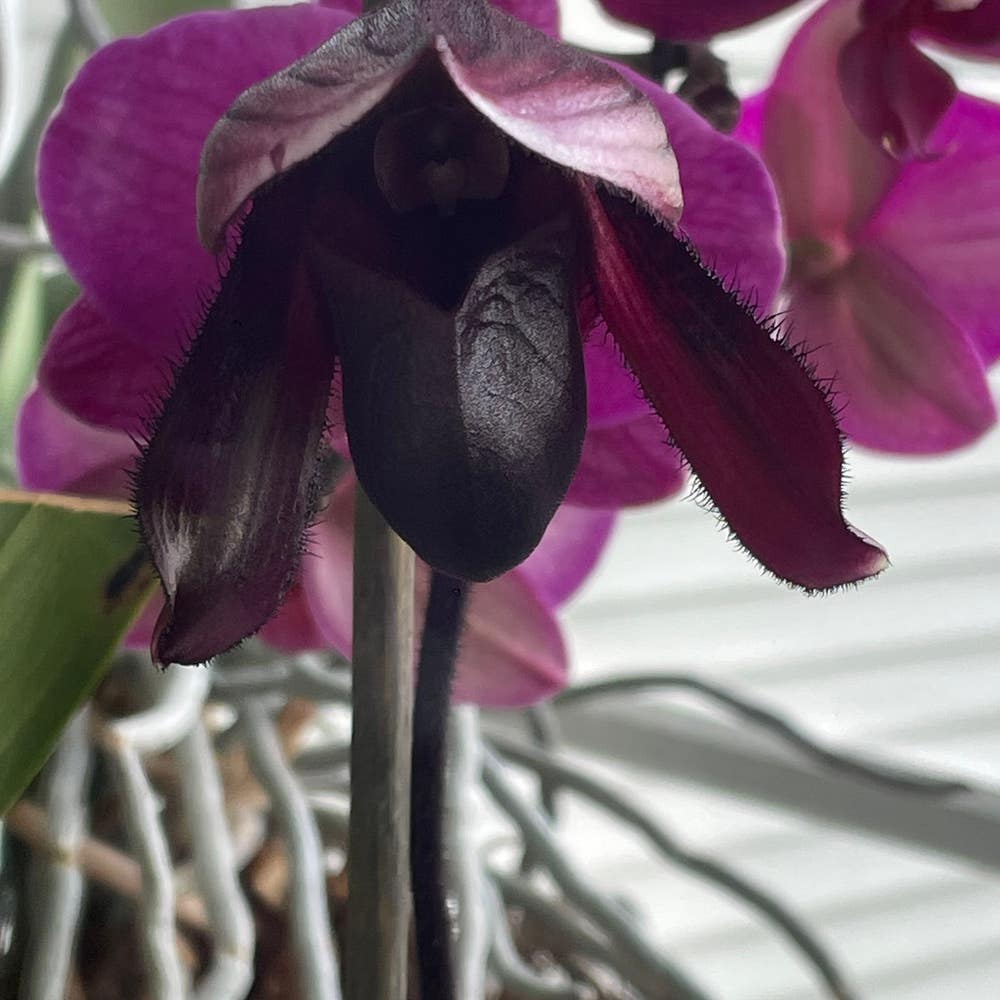
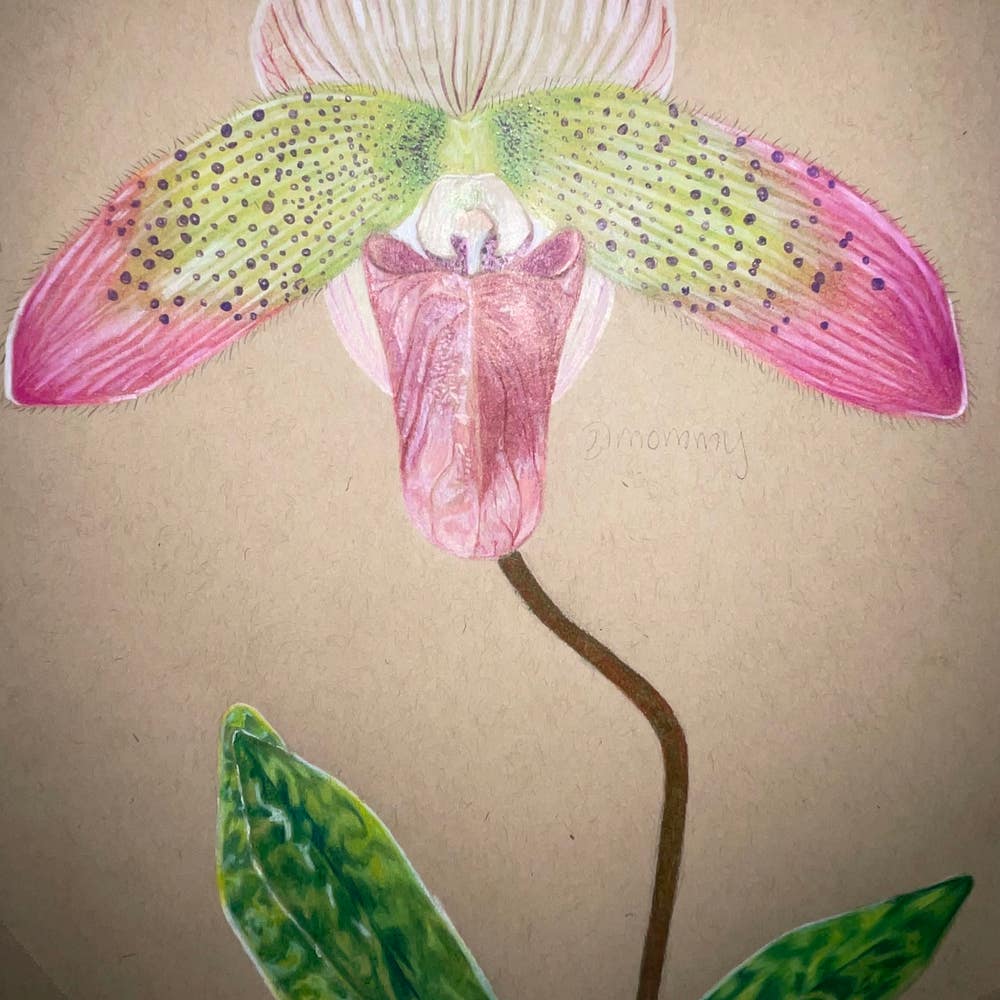
Paphiopedilum wardii
By the Greg Editorial Team
Mar 28, 2024•4 min read
This article was created with the help of AI so we can cover more plants for you. May contain errors. See one? Report it here.
Learn how to perfectly position your Venus Slipper for optimal growth, without the sunburn! 🌞🌱
- Dappled light, not direct sun, keeps Venus Slippers healthy.
- East or west windows ideal; rotate plant for even growth.
- Sheer curtains protect from harsh rays and sunburn.
Sunlight Needs of Venus Slipper
🌤️ Defining Sunlight for the Venus Slipper
Direct sunlight is like a spotlight, intense and unfiltered. For the Venus Slipper, it's a bit too much of a good thing. These orchids prefer the gentler embrace of dappled light, akin to their natural, forested habitats.
In comparison to other plants, Venus Slippers don't bask in the full glare of the sun. They're more of a partial shade personality, thriving under a canopy of filtered light.
🌞 Can Venus Slipper Soak Up the Sun?
Direct sunlight? Not the Venus Slipper's cup of tea. They can handle some morning rays but need protection from the harsher afternoon sun. Think of them as preferring a light parasol over a day at the beach.
Their natural habitat gives us the clues: a dappled canopy is their ideal setting. In your home, east or west-facing windows are your best bet, steering clear of the intense midday sun.
Spot-On Spots for Your Venus Slipper
🌞 Window Wisdom: Finding the Best Light
East-facing windows are your Venus Slipper's best friend for a gentle morning light bath. But as the seasons turn, that same spot might become a summer sizzle. A sheer curtain can save the day, diffusing the light to keep your plant from frying.
South-facing windows work wonders in autumn, offering a cozy sunspot without the burn. In winter, your plant craves the brightest nook. A southern exposure or a western ledge can be prime real estate for those precious afternoon rays.
🌍 Hemisphere Hints: Seasonal Sunlight Shifts
In the Northern Hemisphere, south-facing windows are like the sun's VIP lounge, offering maximum light. But if you're down under in the Southern Hemisphere, flip it—north-facing windows are the hotspot.
As the Earth tilts, your Venus Slipper's needs shift. Rotate your plant occasionally to prevent a lopsided tan and promote even growth. Be observant; if your plant's leaves start looking like they've had a rough night, it might be time to move them to a shadier spot.
Navigating these variances is crucial. Adjust your plant's position with the changing seasons to ensure it gets the right amount of light—bright but not baking. Keep an eye on your Venus Slipper's response to its light source, and shuffle it around to find that sweet spot.
Protecting Your Plant from Too Much Sun
🏖 Signs of Sunburn on Venus Slipper
If your Venus Slipper is starting to look like it's been on a tropical vacation without sunscreen, take heed. Brown spots, crispy edges, and a general look of "I've seen better days" are your plant's way of waving a white flag. Immediate action is needed if your orchid's leaves are more crispy than a fall leaf on the sidewalk.
🚑 What to Do
First, move your plant away from the sun's harsh gaze. Think of it as relocating your plant to a spa after a day at the beach. Then, ensure it's getting the right amount of hydration to recover from its sun-soaked ordeal. Consistency in care is key to nursing your plant back to its vibrant self.
🌅 Sunlight Strategies: Filtering and Shading
When the sun is out with a vengeance, your Venus Slipper needs a knight in shining armor. Use sheer curtains to soften the blow of direct sunlight, or position your plant where the light is bright but not direct. Think of it as putting sunglasses on your plant.
🔄 When to Move Your Plant
If your Venus Slipper's leaves are starting to look like they've been bleached by the sun, it's time for a change of scenery. Rotate your plant to a spot that gets gentler morning or evening light. Remember, your plant's ideal spot might change with the seasons, so stay on your toes and be ready to shuffle it around as needed.
⚠️ Safety First
This content is for general information and may contain errors, omissions, or outdated details. It is not medical, veterinary advice, or an endorsement of therapeutic claims.
Always consult a qualified healthcare professional before using any plant as food, medicine, or supplement.
Never eat any plant (or feed one to pets) without confirming its identity with at least two trusted sources.
If you suspect poisoning, call Poison Control (800) 222-1222, the Pet Poison Helpline (800) 213-6680, or your local emergency service immediately.
Spotted an error? Please report it here.
Ensure your Venus Slipper flourishes in just the right light with Greg's tailored environment tracking 🌤, making plant care a breeze.