Why Is My Venus Slipper Dropping Leaves? 🍂
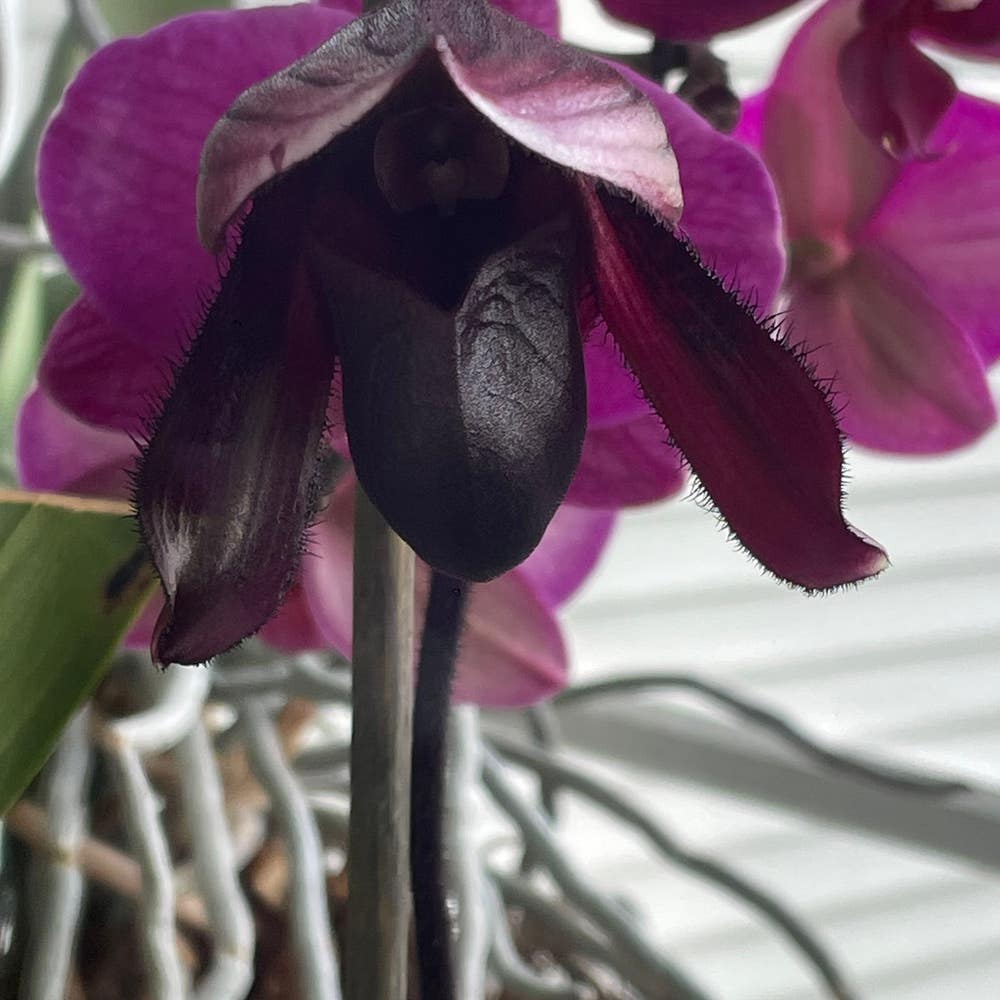
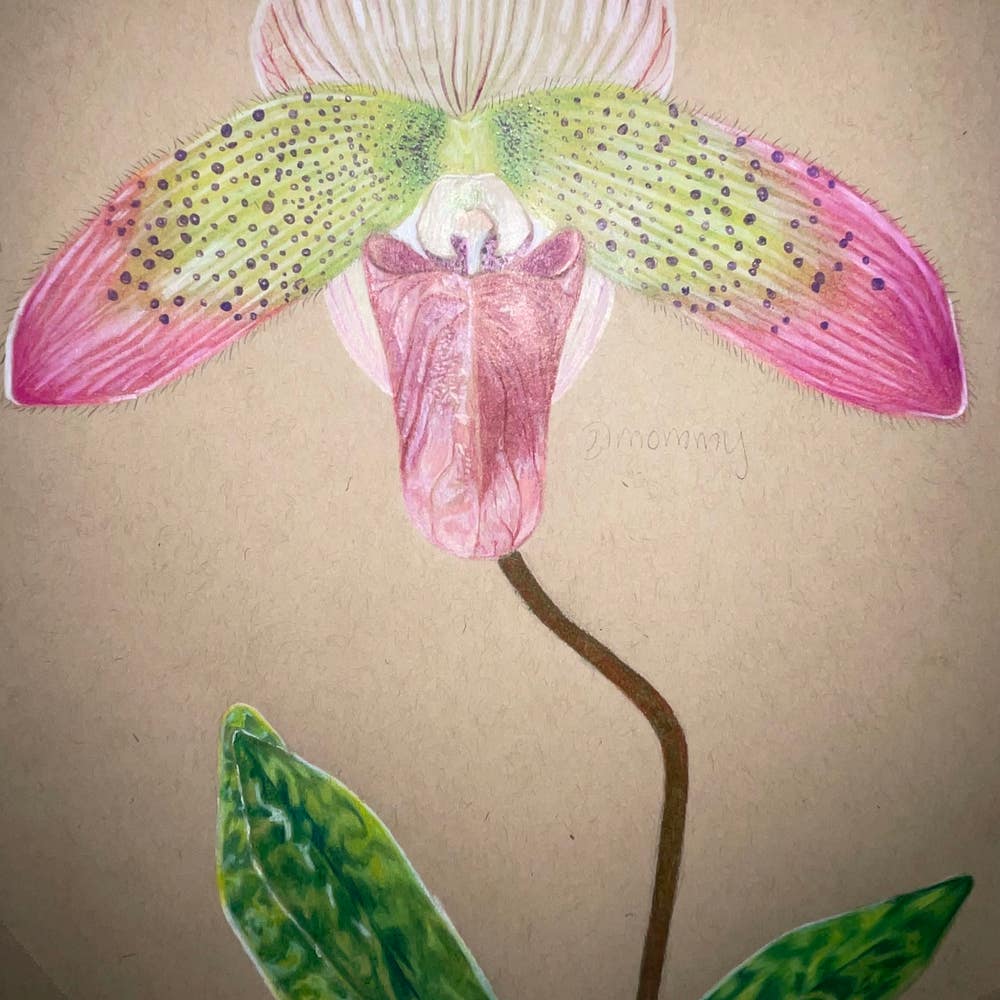
Paphiopedilum wardii
By the Greg Editorial Team
Mar 28, 2024•5 min read
This article was created with the help of AI so we can cover more plants for you. May contain errors. See one? Report it here.
Prevent leaf loss and ensure your Venus Slipper thrives with these essential care tips 🌿🔍!
- Overwatering and underwatering can both cause leaf drop; adjust watering accordingly.
- Stable temperatures and humidity are crucial for Venus Slipper orchid health.
- Inspect and treat for pests regularly to prevent leaf damage and dropping.
Pinpointing the Culprits Behind Leaf Drop
💧 Overwatering and Root Health
Soggy roots spell trouble for your Venus Slipper. If the pot feels like it's been through a monsoon or the roots are dark and squishy, it's time to act.
Immediate action: Remove the plant from its pot and trim any rotten roots. Let the healthy ones air out before repotting in fresh, well-draining media.
🏜️ Underwatering Symptoms
A Venus Slipper gasping for water is a sad sight. Look for wilting leaves, dry soil, and brown leaf tips.
To revive your orchid, soak the pot in water for a few minutes, then let excess moisture drain away. Adjust your watering schedule to prevent future droughts.
🌡️ Temperature Fluctuations
Orchids dislike the roller coaster of temperature changes. Leaf dropping can signal your plant is not happy with the current climate.
Create an ideal environment by maintaining a stable temperature range, avoiding drafts, and sudden temperature swings.
🐜 Unwanted Guests: Pests
Pests are like uninvited guests at a dinner party. Sap-sucking insects leave behind a mess of wilted leaves and chlorotic spots.
Preventative measures: Regularly inspect your orchid for pests and treat infestations promptly with natural or chemical treatments. Prevention is better than cure, so keep those critters in check!
Watering Wisdom: Striking the Right Balance
💧 Fine-Tuning Your Watering Routine
Watering your Venus Slipper orchid isn't about sticking to a strict schedule. It's about being attuned to the soil's moisture. If the top inch feels dry, it's time to water. If it's damp, wait it out. This approach encourages robust root health and avoids the perils of overwatering.
🛠 Tools and Techniques for Monitoring Soil Moisture
Moisture meters are your high-tech allies in the quest for perfect watering. They provide a clear readout of soil moisture levels, eliminating guesswork. For a low-tech solution, trust the finger test—if the soil feels dry at your fingertip, it's time to water. Remember, your orchid's watering needs will shift with the seasons, so stay vigilant and adapt your routine accordingly.
🚰 Water Quality and Quantity
Use room-temperature water to avoid shocking your orchid's roots. The quality of water matters too—rainwater or filtered water can prevent chemical stress. When watering, ensure the water penetrates deep to reach the roots, but avoid waterlogging the soil. Consistency is key, but let the soil's condition be your guide.
🌿 Responding to Environmental Cues
Your orchid's leaves are tell-tale signs of its hydration status. Leaves curling downwards often signal overwatering, while upwards curling can indicate dehydration. Adjust your watering habits based on these visual cues and the overall health of your plant. Keep a close eye on your orchid—it won't send you a text when it's thirsty, but it will show signs.
Creating a Cozy Home: Temperature and Environment
Adjusting the temperature and humidity of your environment is crucial for the health of your Venus Slipper orchid. These factors work in tandem to mimic the orchid's natural habitat and prevent stress that can lead to leaf drop.
🌡️ Temperature Stability
Keep the temperature consistent. Venus Slippers prefer a stable environment, so avoid placing them near heaters, air conditioners, or drafty windows. A sudden change in temperature can shock the plant, much like jumping into a cold pool would shock your system.
💧 Humidity Control
Humidity is equally important. Aim for a level between 40-60% to keep the leaves of your orchid healthy and prevent them from drying out. Use a humidifier or a pebble tray to maintain these levels, especially in drier climates or during winter months when indoor heating can reduce humidity.
📊 Monitoring Tools
Invest in a thermometer and hygrometer to keep track of temperature and humidity. These devices are like personal assistants for your plant, helping you maintain the ideal conditions without turning your living space into a tropical greenhouse.
🌿 Environmental Tweaks
If the air in your home is too dry, consider grouping plants together to create a microclimate. This can increase the surrounding humidity, but be sure to space them out enough to prevent pest issues. On the flip side, if humidity is too high, proper air circulation is necessary to prevent mold and rot.
Remember, your Venus Slipper orchid isn't just a decoration; it's a living organism that thrives under the right care. Treat its environment with the same attention you'd give to your own comfort, and you'll be rewarded with a healthy, leafy companion.
The Pest Patrol: Keeping Critters in Check
🐜 Natural and Chemical Treatments for Pest Control
Natural remedies are your first line of defense against pests. Introducing beneficial insects like ladybugs can drastically reduce harmful populations. For a softer touch, neem oil and insecticidal soaps are your go-to options. They're gentle on plants but tough on pests.
However, when the organic approach isn't cutting it, it's time to bring out the big guns. Chemical pesticides should be used judiciously and according to the label's instructions. Rotating products is also smart to prevent any crafty critters from developing resistance.
🕵️ Routine Checks and Maintenance to Prevent Infestations
Consistency is key. Make regular inspections of your Venus Slipper a habit, not a chore. Look under leaves and in crevices—favorite pest hideouts. Catching these uninvited guests early can save you from a world of trouble.
Cleanliness is your plant's best friend. A tidy environment discourages pests from settling in. If you do spot trouble, act fast. A strong jet of water can dislodge many pests, and for the stubborn ones, insecticidal soap is a gentle yet effective eviction notice.
Remember, pest control is a team sport. Whether you opt for natural methods or chemical treatments, what matters is staying vigilant and acting quickly. Your Venus Slipper will thank you for it.
⚠️ Safety First
This content is for general information and may contain errors, omissions, or outdated details. It is not medical, veterinary advice, or an endorsement of therapeutic claims.
Always consult a qualified healthcare professional before using any plant as food, medicine, or supplement.
Never eat any plant (or feed one to pets) without confirming its identity with at least two trusted sources.
If you suspect poisoning, call Poison Control (800) 222-1222, the Pet Poison Helpline (800) 213-6680, or your local emergency service immediately.
Spotted an error? Please report it here.
Ensure your Venus Slipper orchid never suffers from droopy leaves again by letting Greg track moisture and temperature 🌡️ for you, creating the perfect habitat for your exotic beauty.