👠 Why Are My Venus Slipper Leaves Droopy?
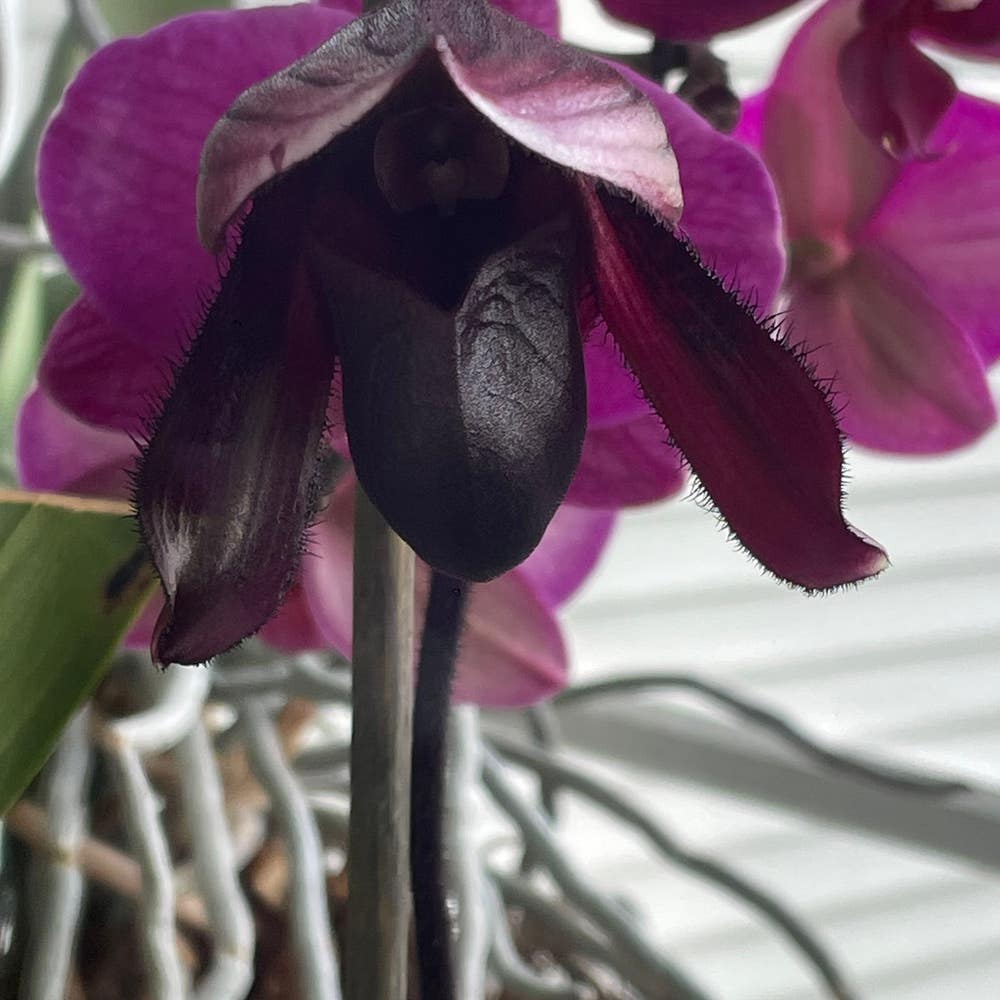
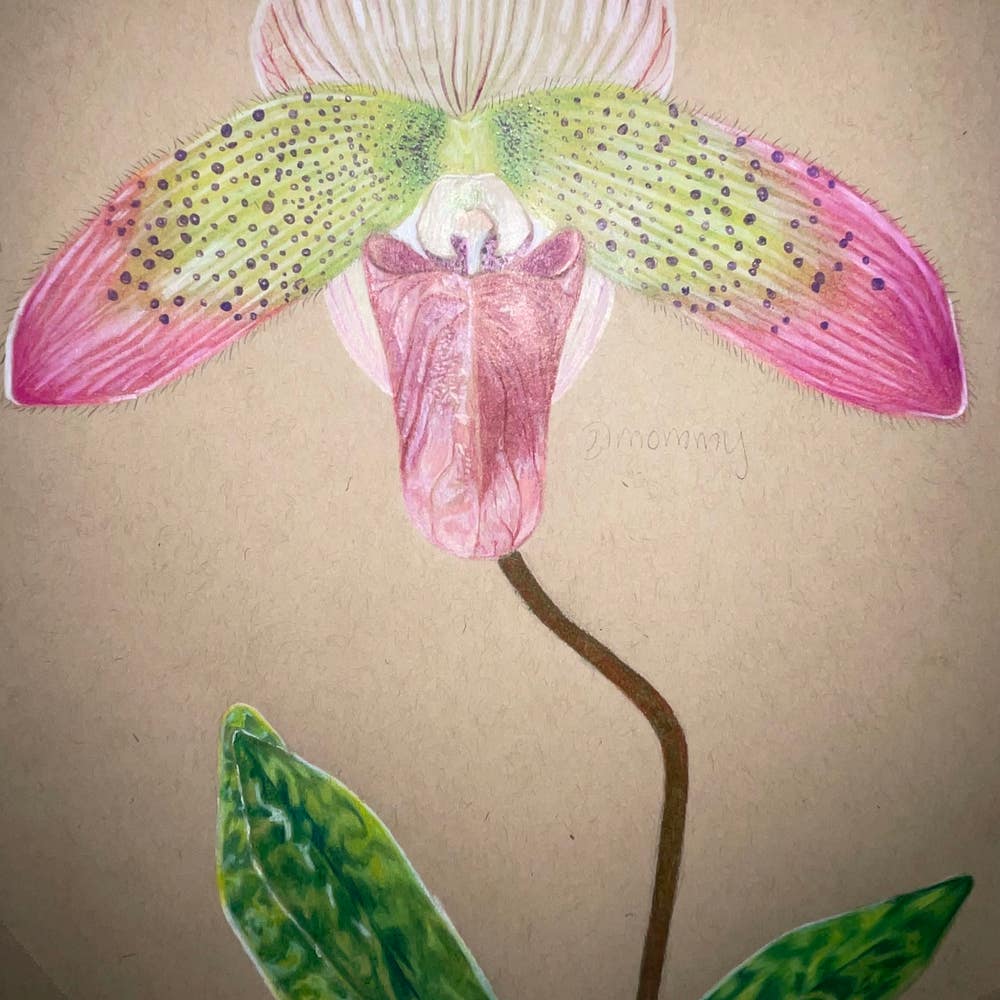
Paphiopedilum wardii
By the Greg Editorial Team
Mar 28, 2024•6 min read
This article was created with the help of AI so we can cover more plants for you. May contain errors. See one? Report it here.
Turn your Venus Slipper's frown upside down 🌸 by mastering its care balance for perky leaves!
- Droopy leaves signal distress; don't ignore, inspect for health cues.
- Watering balance is crucial: avoid over/underwatering and ensure good drainage.
- Consistent environment: right light, stable temperature, and 40-50% humidity.
Spotting the Signs of Distress in Venus Slipper Leaves
🌿 Identifying Droopy Leaves Versus Natural Plant Behavior
Droopy leaves on your Venus Slipper orchid can be a real head-scratcher. It's crucial to distinguish between a plant's relaxed posture and a genuine cry for help. While a slight lean might be part of its charm, a pronounced slump is a sign that your orchid is not just lounging—it's languishing.
📋 Quick Checklist for Assessing Leaf Health
Visual inspection is your first step. Look for leaves that resemble a weary traveler; they're not just tired, they're telling you something's off. Check for firmness—healthy leaves should snap back, not flop, when you give them a gentle poke.
- Color cues: Yellowing or darkening leaves are sending you an SOS.
- Texture tales: Leaves should be smooth and plump, not wrinkly or puckered.
- Posture pointers: Leaves naturally reaching for the light is one thing, but if they're sagging like they've given up, it's time to take action.
- Spot checks: Keep an eye out for any blemishes or discoloration, which can be early signs of distress.
Remember, consistency is key. A single droopy leaf might just be an outlier, but if there's a trend, your plant is staging a protest. It's time to listen up and address the underlying issues.
The Watering Balancing Act
💧 The Goldilocks Principle: Not Too Much, Not Too Little
Watering your Venus Slipper orchids requires a keen eye and a steady hand. It's a balancing act; too much water leads to root rot, too little leaves your plant dehydrated.
🚱 How to Tell if You're Overwatering or Underwatering
Overwatering turns leaves limp and lifeless, like a salad forgotten in the fridge. If the pot feels heavier than your conscience on a cheat day, it's a sign to hold back on the H2O. On the flip side, underwatering leaves your plant's leaves crispy and stunted, begging for a drink. A soil dry to the touch is a clear distress signal.
The Right Way to Water Venus Slipper Orchids
Consistency is your best friend when it comes to watering. Mimic a gentle rainfall, ensuring the water reaches the roots without creating a mini flood. Adjust your routine with the seasons, and use a moisture meter or the trusty finger test to gauge the soil's thirst.
🌊 The Role of Drainage in Preventing Soggy Roots
Drainage is as crucial as the watering itself. Ensure your pot has enough holes to avoid a tragic, soggy end for your orchid. A well-draining potting mix is like a good insurance policy against overwatering mishaps.
Let There Be (The Right Amount of) Light!
🌞 Finding the Sweet Spot for Sunlight Exposure
Venus Slipper orchids are picky when it comes to their sunbathing habits. They demand bright, indirect light, much like the dappled sunlight of their native forest floors. Too direct, and their leaves will protest with telltale signs of scorching; too dim, and they'll sulk, losing their robust form.
Signs of Too Much Sun
Leaves that look like they've had a rough day at the beach are a red flag. Scorched tips and faded coloration scream 'too much sun'. If your orchid's leaves could talk, they'd be begging for some shade.
Signs of Too Little Light
Conversely, leaves stretching out as if reaching for the last cookie jar are yearning for more light. A leggy appearance and lackluster growth are your orchid's way of saying it's stuck in a light-deprived funk.
The Best Spots in Your Home for a Venus Slipper
East or north-facing windows are your Venus Slipper's best friends, offering that sweet spot of gentle morning light without the harsh midday glare. If your living space doesn't cooperate, consider sheer curtains or a well-placed shade to break the intensity of direct rays. Remember, the sun's path changes with the seasons, so stay vigilant and ready to shuffle your orchid to maintain that perfect light equilibrium.
Keeping Your Cool with Temperature and Humidity
🌡️ Understanding the Ideal Climate for Venus Slipper Orchids
Venus Slipper orchids are divas of the plant world, demanding specific climate conditions to flourish. Mottled leaf varieties prefer a warm cozy range of 60 – 85°F, while their green-leafed cousins enjoy a cooler 50 – 80°F.
🥵 How to Tell if Temperature Swings Are Causing Droopiness
If your orchid's leaves are more limp than a wet noodle, suspect temperature swings. These plants aren't fans of the thrill ride that comes with sudden changes. Keep the environment as consistent as a metronome to avoid droopy drama.
💦 The Importance of Humidity and How to Maintain It
Humidity is the silent partner in this tango, crucial for preventing the leaves from looking like they've just run a marathon in the desert. Aim for a humidity level around 40-50% to hit the sweet spot. Use a hygrometer to monitor like a hawk, and employ pebble trays or humidifiers to keep things just right.
🌀 Quick Tips for Humidity Control
Keep your orchid's environment as exclusive as a VIP lounge—consistent and comfortable. Use a gentle fan to promote air circulation, but don't turn your plant into a windsock. Remember, it's about creating a microclimate that's a steady paradise, not a stage for fungal nightmares.
From Droopy to Perky: Reviving Your Venus Slipper
Reviving a droopy Venus Slipper orchid requires swift action and careful attention to detail. Here's how to breathe life back into your plant.
🌱 Step-by-Step Guide to Nursing Your Plant Back to Health
- Inspect the roots for signs of rot or dehydration. Squishy, brown roots suggest overwatering, while shriveled ones indicate underwatering.
- Trim any dead or unhealthy roots with sterilized shears to prevent disease spread.
- If repotting is necessary, choose a well-draining medium and a pot that's snug but not tight.
- Water your orchid with lukewarm water, ensuring that it drains completely to avoid soggy conditions.
- Place the plant in a spot with bright, indirect light to encourage recovery without scorching the leaves.
- Maintain a stable temperature and humidity level, mimicking the orchid's natural environment.
- Fertilize sparingly with a balanced orchid fertilizer to support new growth without overwhelming the plant.
- Monitor your plant closely, adjusting care as needed and celebrating new growth as a sign of recovery.
When to Seek Professional Help for Your Orchid
If your orchid's condition doesn't improve or if you notice rapid disease progression, it's time to call in the pros. Persistent black spots, severe root rot, or a sudden decline in health might require expert intervention. Remember, sometimes the best way to save your plant is to seek help from those with more experience.
⚠️ Safety First
This content is for general information and may contain errors, omissions, or outdated details. It is not medical, veterinary advice, or an endorsement of therapeutic claims.
Always consult a qualified healthcare professional before using any plant as food, medicine, or supplement.
Never eat any plant (or feed one to pets) without confirming its identity with at least two trusted sources.
If you suspect poisoning, call Poison Control (800) 222-1222, the Pet Poison Helpline (800) 213-6680, or your local emergency service immediately.
Spotted an error? Please report it here.
Ensure your Venus Slipper orchids never droop again with Greg's 🌱 custom care reminders for the perfect balance of water, light, and humidity.