🍂 Why Are the Leaves on My Venus Slipper Turning Yellow?
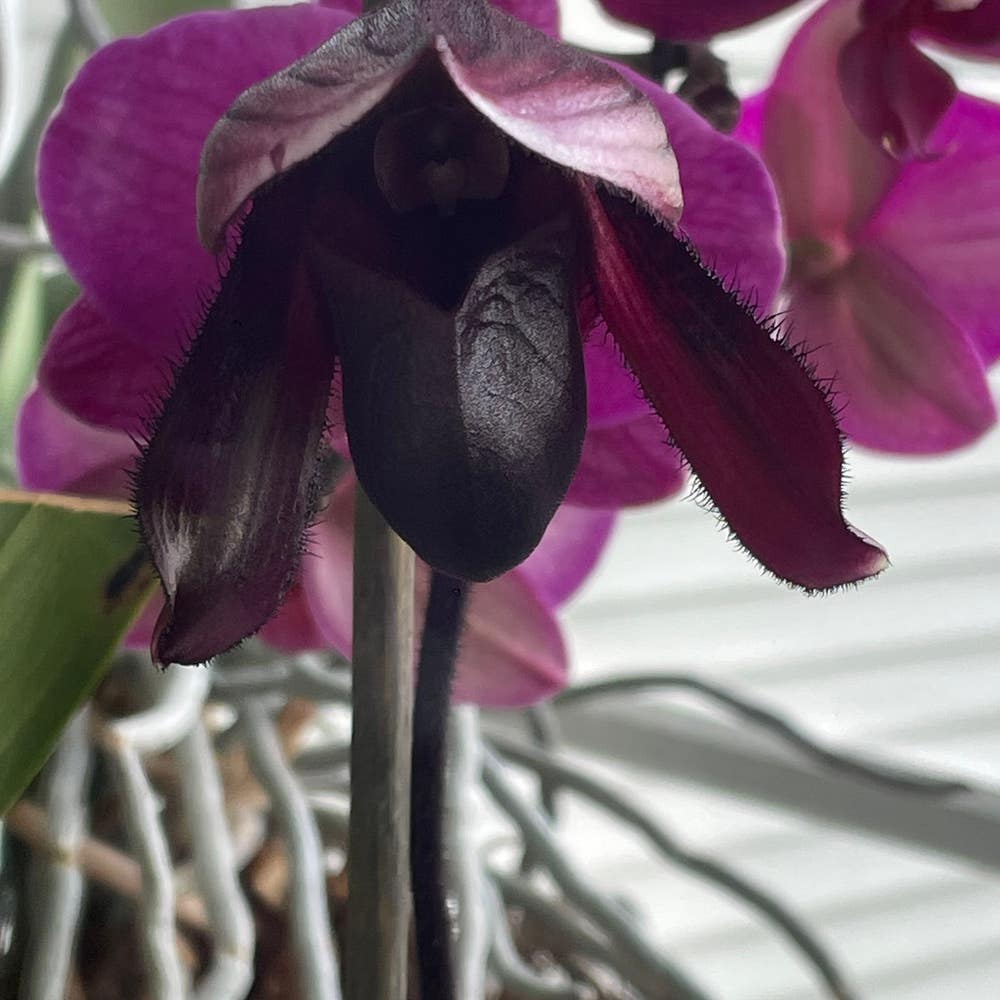
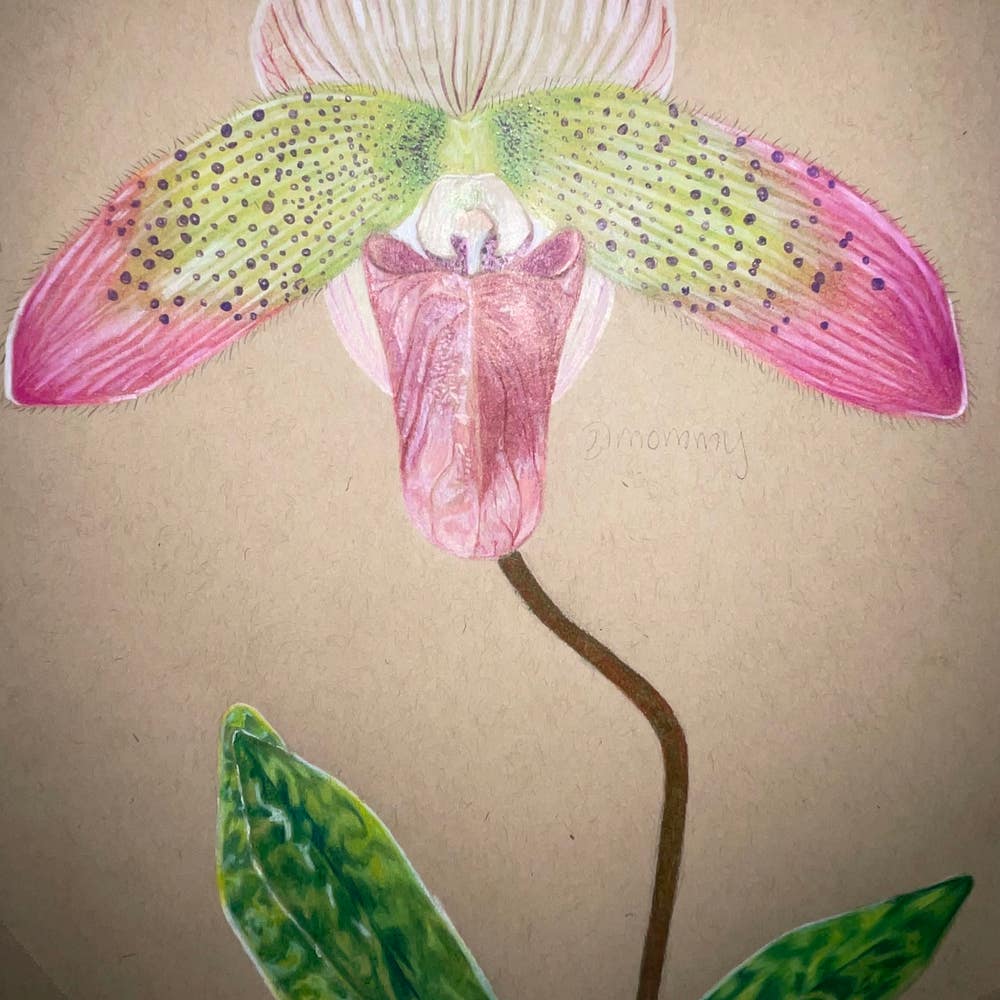
Paphiopedilum wardii
By the Greg Editorial Team
Mar 28, 2024•4 min read
This article was created with the help of AI so we can cover more plants for you. May contain errors. See one? Report it here.
Unearth the secrets to greener Venus Slipper leaves and prevent yellowing woes 🌿🔍!
- Yellowing patterns hint at health issues; check roots and soil moisture.
- Balance watering and nutrients to prevent over/underwatering and deficiencies.
- Optimize environment with correct temperature, light, humidity, and airflow.
Spotting the Signs: What Yellow Leaves Can Tell You
🍋 Recognizing Patterns of Yellowing
Yellow leaves on your Venus Slipper orchid can be telltale signs of distress. Uniform yellowing might indicate a systemic issue like a nutrient deficiency or improper lighting. Conversely, spotty yellowing often points to localized problems, such as pests or disease. Observe how the yellowing spreads; it could be revealing a story about your plant's health.
🌱 Checking Plant Vital Signs
Get your hands dirty and check the soil. It should feel like a well-wrung sponge—neither desert-dry nor swamp-wet. Next, examine the roots; they should be a healthy cream color, not brown or blackened. Remember, roots are the lifeline of your orchid, so their condition is a critical indicator of overall plant health.
The Watering Balancing Act
🌊 Rescuing Overwatered Orchids
Overwatering is the silent killer of orchids. Roots suffocate, leaves turn yellow, and the plant's vigor plummets. Immediate action is crucial. First, cease watering and let the soil approach dryness. If the pot feels like a waterlogged sponge, it's time for a soil swap—use a mix with high drainage, like bark or perlite. Ensure the pot has adequate drainage holes; if not, repot or drill more. Remember, your orchid is not a fish; it doesn't need to swim.
💧 Reviving Underwatered Orchids
Underwatering turns leaves into crispy critters. When the topsoil feels like the Sahara, it's hydration time. Give your orchid a thorough soak, letting water run freely through the drainage holes. But don't turn it into a swamp; let excess water drain away. Going forward, monitor soil moisture with your finger or a moisture meter. Your orchid's thirst varies with the seasons—water more when it's hot, less when it's not. Keep the balance; it's a dance, not a march.
Feeding Your Venus Slipper: Nutrient Know-How
🌱 Spotting Nutrient Shortfalls
Yellowing leaves on your Venus Slipper may be a distress signal for nutrient deficiencies. A nitrogen shortage often leads to pale green or yellow leaves, while a lack of potassium can cause leaf edges to appear scorched. Magnesium deficits often manifest as yellow patches between leaf veins.
🌿 Fertilizer Fixes
Choosing the right fertilizer is crucial. Opt for a balanced formula, such as a 10-10-10 mix, to cover the basics. Apply it monthly during the growing season, and always water thoroughly afterward to help nutrients penetrate the soil and prevent root burn. Remember, less is more in the dormant season; overfeeding can harm your orchid.
Crafting the Perfect Environment
🌡️ Temperature and Light: Getting It Just Right
Orchids are picky about their climate. Maintain a room temperature between 65-78°F (18-25°C) to keep your Venus Slipper from throwing a fit. Avoid placing it near drafts or heat sources that could cause dramatic temperature swings.
Bright, indirect light is the sweet spot. Direct sunlight is a no-go—it's like putting your plant in the hot seat, literally. Aim for a spot that's well-lit but shielded from the harsh midday sun.
💦 Humidity and Airflow Essentials
Humidity is the secret sauce for a thriving Venus Slipper. Think tropical vibes—aim for 40-60% humidity. Use a hygrometer to monitor levels. Too dry? Try a humidifier or a pebble tray. Too moist? Scale back before your orchid starts to swim.
Airflow is your invisible ally. A gentle fan can keep the air from getting stale, but don't create a wind tunnel. Your orchid isn't training for a marathon—it just needs a light breeze to keep things fresh and fend off fungal foes.
Proactive Plant Parenting: Preventing Yellow Leaves
🌿 Routine Care and Monitoring
Regular check-ups are the backbone of plant health. Like a well-oiled machine, a consistent care routine keeps the Venus Slipper thriving. Inspect leaves and roots frequently, adapting care as needed.
🛠️ Early Intervention Strategies
Vigilance is key. At the first hint of yellow, reassess your watering, lighting, and fertilization. Quick action can turn the tide, preventing a full-scale yellow leaf scenario. Remember, a stitch in time saves nine—or in this case, saves your orchid.
⚠️ Safety First
This content is for general information and may contain errors, omissions, or outdated details. It is not medical, veterinary advice, or an endorsement of therapeutic claims.
Always consult a qualified healthcare professional before using any plant as food, medicine, or supplement.
Never eat any plant (or feed one to pets) without confirming its identity with at least two trusted sources.
If you suspect poisoning, call Poison Control (800) 222-1222, the Pet Poison Helpline (800) 213-6680, or your local emergency service immediately.
Spotted an error? Please report it here.
Keep your Venus Slipper's leaves radiantly green 💧 with Greg's tailored watering reminders, preventing yellow distress and ensuring your orchid thrives!