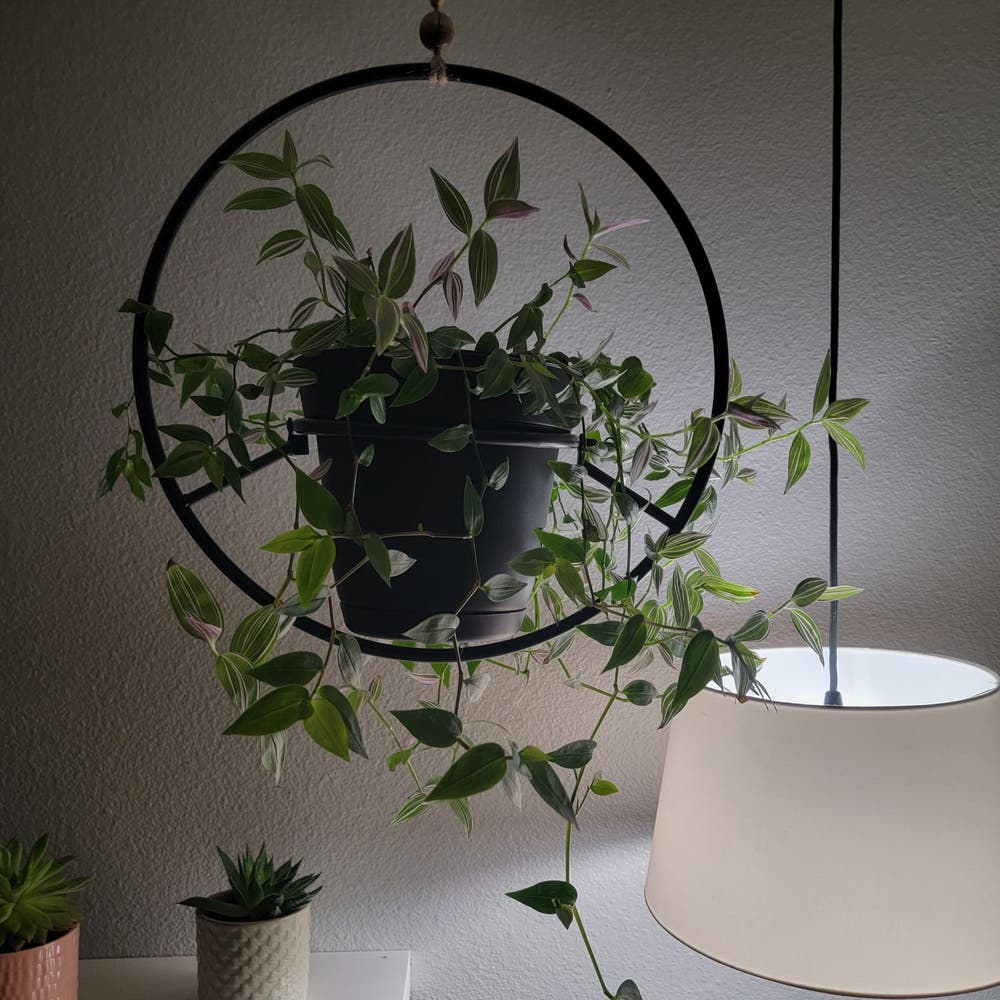
🌸 Ultimate Guide to Tradescantia 'Lilac'
Tradescantia fluminensis 'Lilac'
By the Greg Editorial Team
Jan 23, 2025•13 min read
This article was created with the help of AI so we can cover more plants for you. May contain errors. See one? Report it here.
- 🌞 Tradescantia 'Lilac' thrives in bright, indirect sunlight for optimal growth.
- 💧 Consistent watering and well-draining soil prevent root rot and promote health.
- 🌱 Regular pruning and fertilizing enhance bushiness and growth during the season.
How to Grow
Choosing a Location 🌍
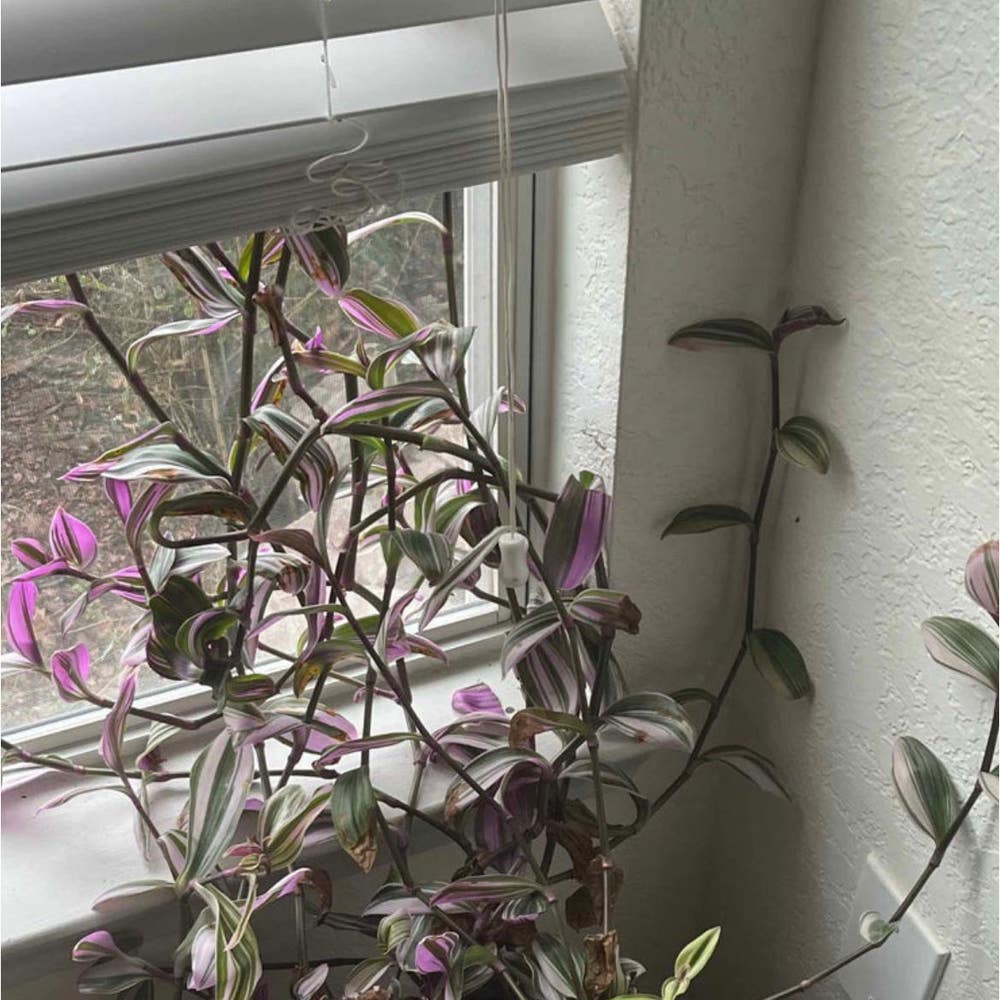
When deciding where to grow your Tradescantia 'Lilac', consider both indoor and outdoor settings. Indoors, it thrives in bright, indirect sunlight, but it can also tolerate low light conditions, making it a versatile choice for various spaces.
Outdoors, aim for a spot that receives partial shade to full sun. This plant loves warmth, so ensure it’s protected from harsh winds and extreme temperatures.
Soil Preparation 🪴
For optimal growth, use a well-draining soil mix, such as potting soil combined with perlite. This ensures that excess water drains away, preventing root rot.
The ideal pH for Tradescantia 'Lilac' is slightly acidic to neutral, ranging from 6.0 to 7.0. This pH level supports healthy nutrient uptake.
Planting Techniques 🌱
When planting outdoors, space your Tradescantia 'Lilac' 12-18 inches apart. This spacing allows for adequate air circulation and room for growth.
Plant at the same depth as it was in the nursery pot. This helps maintain the plant's health and encourages robust growth.
Watering Requirements 💧
Keep the soil consistently moist, but avoid waterlogging. Overwatering can lead to root rot, which is detrimental to your plant's health.
Water from the base to prevent leaf rot. This method ensures that the roots absorb moisture directly without wetting the leaves.
Fertilizing Schedule 🌿
Use a balanced, water-soluble fertilizer to nourish your Tradescantia 'Lilac'. Fertilizing every 4-6 weeks during the growing season will promote vibrant growth and flowering.
Be mindful not to over-fertilize, as this can lead to nutrient burn and damage the plant.
Pruning and Maintenance ✂️
Regular pruning throughout the growing season encourages bushiness and a fuller appearance. Pinch back stems just above a leaf node to stimulate new growth.
Keep an eye on your plant's overall health. Removing any dead or yellowing leaves helps maintain its aesthetic appeal.
Ongoing Care 🔍
Monitor your Tradescantia 'Lilac' for signs of stress or pest infestations. Early detection is key to preventing larger issues down the line.
As seasons change, adjust your care routine accordingly. Reduce watering in winter months when the plant's growth slows down, ensuring it remains healthy year-round.
With these tips, you'll be well on your way to cultivating a thriving Tradescantia 'Lilac'. Next, let’s explore how to propagate this beautiful plant!
Propagation
🌱 Methods of Propagation
Propagation of Tradescantia 'Lilac' can be done easily through two primary methods: cuttings and division. Both methods are effective, with cuttings being the simplest and division requiring a bit more care.
📋 Step-by-Step Instructions for Each Method
✂️ Cuttings
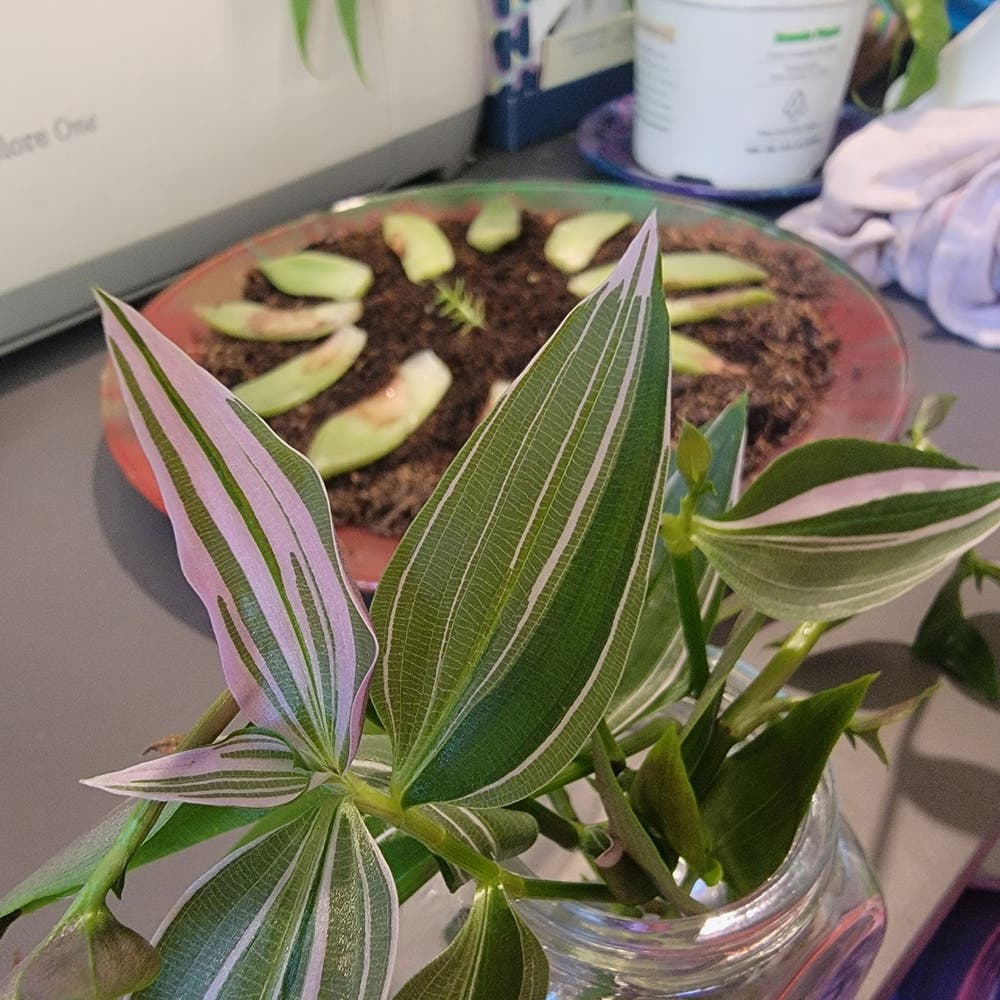
- Select Healthy Stems: Choose stems that are robust and free from disease, cutting them to a length of 4-6 inches.
- Prepare the Cuttings: Remove the lower leaves to prevent rot, then place the cuttings in either water or moist soil.
- Root Development: Expect roots to develop in about 2-3 weeks, making sure to keep the environment warm and humid.
🌿 Division
- Dig Up the Plant: Gently lift the established plant from its pot or garden bed.
- Separate Root Clumps: Carefully split the root clumps, ensuring each section has both roots and stems.
- Replant: Immediately replant the divided sections in suitable soil to minimize shock.
🌡️ Ideal Conditions for Successful Propagation
For optimal results, maintain warm temperatures around 70°F (21°C) during propagation. High humidity levels are also crucial, as they encourage healthy root growth and help the cuttings thrive.
With these straightforward methods, you can easily expand your Tradescantia 'Lilac' collection or share with friends. Next, let’s explore the lifecycle of this vibrant plant and what to expect as it grows.
Lifecycle
🌱 Lifecycle Stages
Tradescantia 'Lilac' is typically a perennial plant in suitable climates. Its lifecycle includes several key stages: seed or cutting, germination, seedling, vegetative growth, flowering, and seed production.
⏳ Germination Process and Timeline
Seeds of Tradescantia 'Lilac' germinate in about 7-14 days. For optimal results, provide a warm and moist environment to encourage healthy growth.
📈 Growth Rate and Lifespan
With proper care, Tradescantia 'Lilac' can thrive for several years. It typically reaches maturity in approximately 6-12 months, showcasing its vibrant foliage and flowers.
Understanding the lifecycle of Tradescantia 'Lilac' helps you appreciate its growth patterns and care needs. This knowledge sets the stage for successful cultivation and enjoyment of this beautiful plant.
Size
Mature Height and Spread 🌱
Tradescantia 'Lilac' typically reaches a height of 6-12 inches. It can spread impressively, extending 12-24 inches wide, making it a lovely addition to any garden or indoor space.
Growth Rate and Factors Affecting Size 🚀
This plant is known for its fast growth under optimal conditions. Key factors influencing its size include light availability, water, and nutrient levels.
Size Variability Based on Growing Conditions 🌍
The size of Tradescantia 'Lilac' can vary significantly depending on whether it's grown indoors or outdoors. Indoor plants may be smaller due to limited light and humidity, while outdoor specimens often thrive and reach their full potential.
Understanding these size dynamics can help you create the perfect environment for your Tradescantia 'Lilac,' ensuring it flourishes beautifully. Next, let's explore the fascinating topic of its root system and how it supports the plant's growth.
Roots
Description of the Root System 🌱
Tradescantia 'Lilac' features a fibrous root system that is both shallow and spreading. This characteristic makes it generally non-invasive, allowing it to thrive without overwhelming nearby plants.
Common Root-Related Issues ⚠️
One common issue is root rot, which occurs due to overwatering. Symptoms include mushy roots that can lead to plant decline if not addressed promptly.
Another problem is being rootbound, which happens when the roots fill the pot. Signs of this condition include stunted growth and roots growing out of the drainage holes.
Tips for Managing Root Problems 🛠️
To recognize rootbound plants, look for roots emerging from the pot's drainage holes.
If you find your plant is rootbound, the solution is simple: repot it into a larger container filled with fresh soil. This will give the roots room to expand and promote healthier growth.
Benefits
Aesthetic Appeal 🌈
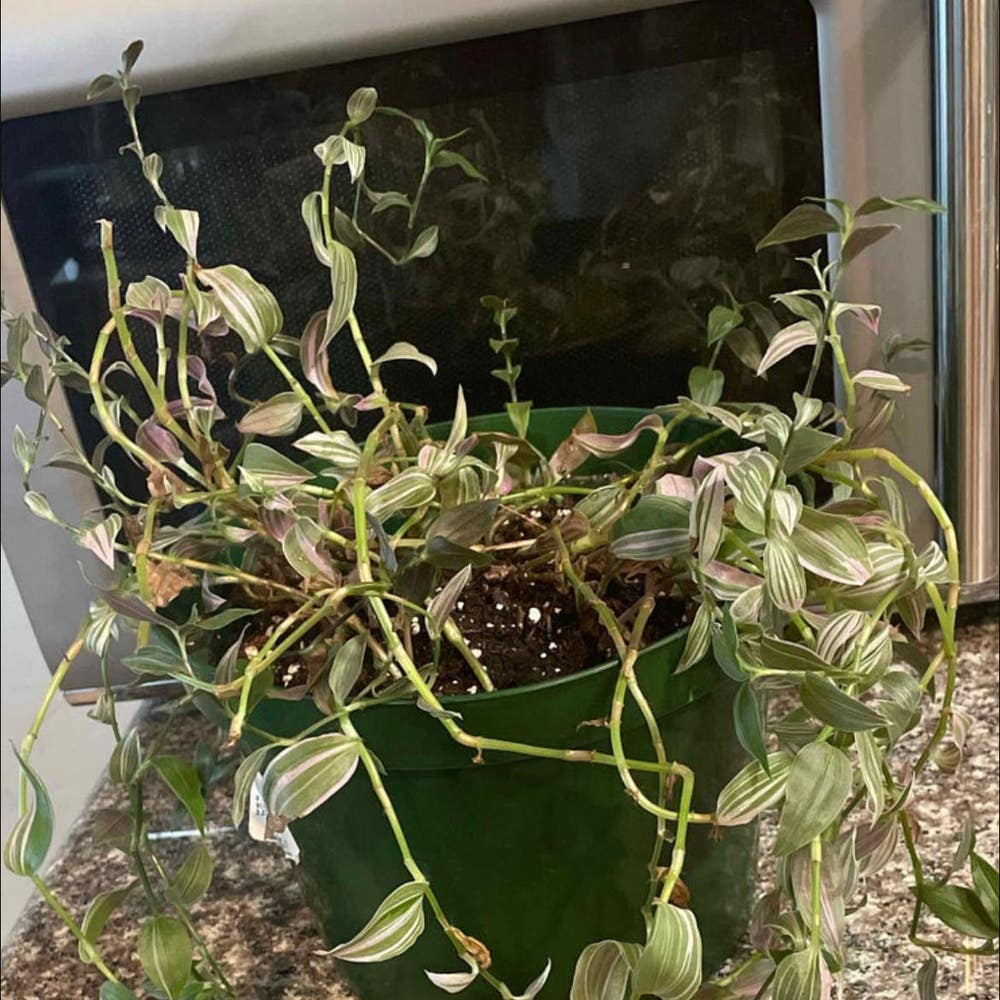
Tradescantia 'Lilac' is a stunning addition to any space, boasting vibrant purple and green foliage. Its eye-catching colors can brighten up both indoor and outdoor areas, making it a favorite among plant enthusiasts.
Air Purification 🌬️
This plant doesn't just look good; it also contributes to better indoor air quality. Tradescantia 'Lilac' helps filter out toxins, creating a healthier environment for you and your loved ones.
Low Maintenance 🛠️
Perfect for beginners, this plant is easy to care for. It thrives with minimal attention, making it an ideal choice for those who may not have a green thumb.
Versatile Growth Options 🎨
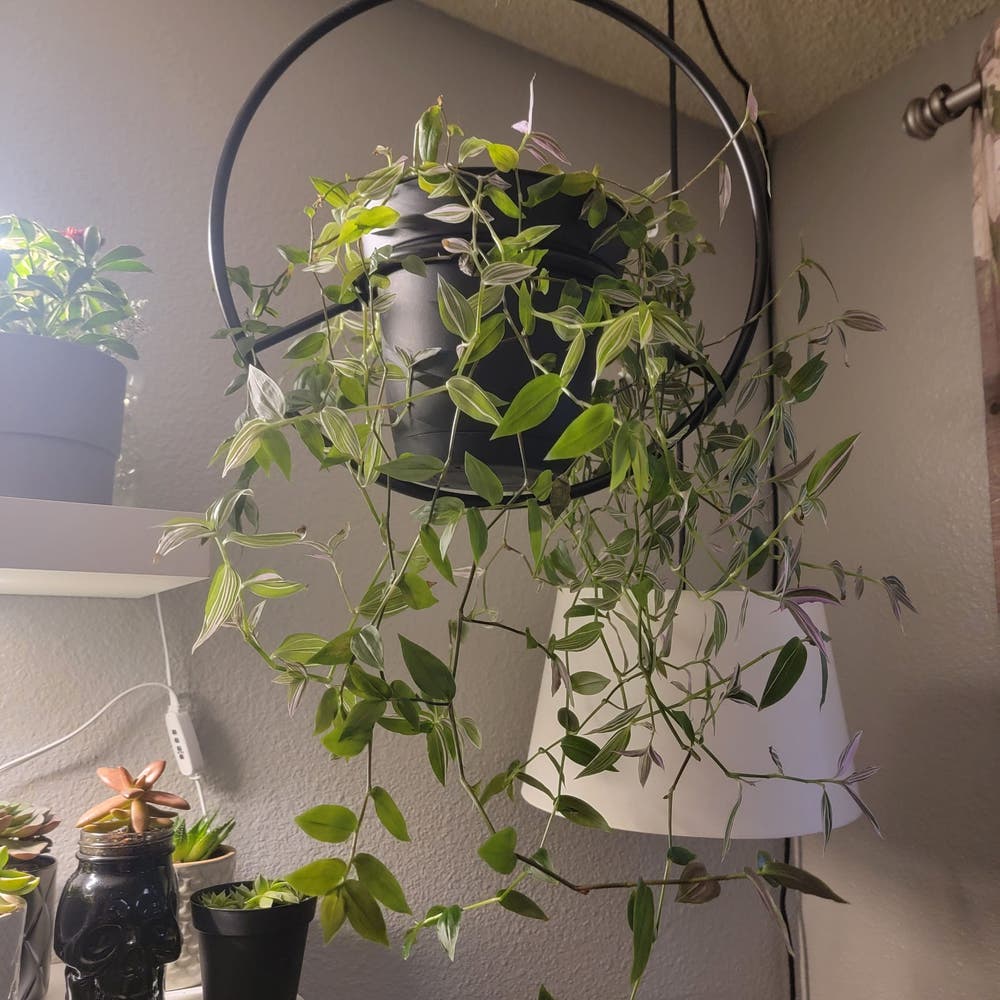
Whether you prefer pots, hanging baskets, or ground cover, Tradescantia 'Lilac' adapts well to various settings. Its flexibility allows you to get creative with your plant arrangements.
Attracts Pollinators 🐝
The flowers of Tradescantia 'Lilac' are not just pretty; they also attract beneficial pollinators like bees and butterflies. This makes it a great addition to any garden, supporting local wildlife.
Cultural Significance 🌍
Beyond its practical benefits, Tradescantia 'Lilac' holds cultural significance. It symbolizes resilience and adaptability, traits that resonate in many cultures. Additionally, it's often associated with friendship and affection, making it a thoughtful gift for loved ones.
Incorporating Tradescantia 'Lilac' into your home or garden not only enhances your space but also enriches your life with its beauty and significance. Now that you know its benefits, let's explore companion plants that can thrive alongside this lovely species.
Companion Plants
🪴 Explanation of Companion Planting
Companion planting is a gardening strategy that enhances diversity and pest management. By pairing plants that support each other's growth, you can create a thriving ecosystem in your garden.
🌱 List of Compatible Companion Plants
- Pothos: This plant shares similar care needs and humidity preferences, making it an excellent companion.
- Ferns: They provide visual contrast and thrive in similar light and moisture conditions, complementing Tradescantia 'Lilac' beautifully.
- Marigolds: Known for their pest-repellent properties, marigolds can help protect your Tradescantia from unwanted visitors.
🚫 Plants to Avoid
Be cautious with heavy feeders, as they may compete for nutrients and hinder your Tradescantia's growth. Additionally, avoid plants sensitive to humidity, which could suffer from excess moisture in the same environment.
By selecting the right companions, you can enhance the beauty and health of your Tradescantia 'Lilac' while creating a vibrant garden space. Next, let's explore the potential toxicity of this plant to pets, ensuring a safe environment for your furry friends.
Toxicity to Humans
🧐 Identification of Irritating Parts
The leaves and sap of Tradescantia 'Lilac' can cause irritation. It's essential to be aware of these parts when handling the plant.
🚨 Symptoms of Irritation
If irritation occurs, symptoms may include skin rashes, itching, mild gastrointestinal upset, and eye irritation. These reactions can vary in severity depending on individual sensitivity.
⚠️ How Irritation Occurs
Irritation can happen through contact with the skin, ingestion of plant material, or exposure to sap. Being cautious during handling can help prevent these issues.
🏥 Guidance on When to Seek Medical Care
If symptoms persist or worsen, it's wise to seek medical care. Fortunately, most cases resolve on their own with proper care.
🧤 Tips for Safe Handling
To minimize the risk of irritation, wear gloves when handling the plant. Always wash your hands thoroughly after contact to ensure safety.
Understanding these aspects of Tradescantia 'Lilac' can help you enjoy its beauty while staying safe. With proper precautions, you can appreciate this vibrant plant without worry.
Toxicity to Dogs
Identification of Irritating Parts for Dogs 🐶
The parts of Tradescantia 'Lilac' that may cause irritation in dogs are primarily the leaves and sap. It's important to be aware of these components if you have a curious pup.
Symptoms of Discomfort 😣
If your dog comes into contact with the plant, you might notice symptoms like drooling, pawing at the mouth, mild vomiting, or skin irritation. These signs can indicate that your furry friend is experiencing some discomfort.
How Irritation Can Occur in Dogs 🐾
Irritation typically occurs through ingestion of the plant material or contact with its sap. Dogs are naturally inquisitive, so they may nibble on the leaves or brush against the plant.
Guidance on When to Seek Veterinary Care 🏥
If your dog shows persistent symptoms or if their condition worsens, it’s wise to seek veterinary care. Most cases resolve on their own, but it's better to be safe than sorry.
Clear Statement on Toxicity Level ⚠️
Tradescantia 'Lilac' is not considered severely toxic to dogs, but it can cause mild to moderate irritation. Keeping an eye on your pet's behavior around this plant can help ensure their safety.
Toxicity to Cats
Identification of Irritating Parts for Cats 🐾
The leaves and sap of Tradescantia 'Lilac' can cause irritation in cats. It's essential to be aware of these parts to prevent any discomfort for your furry friends.
Symptoms of Discomfort 😿
If your cat comes into contact with this plant, you might notice symptoms like drooling, pawing at the mouth, mild vomiting, or skin irritation. These signs indicate that your cat is experiencing some level of discomfort.
How Irritation Can Occur in Cats 🐱
Irritation typically occurs through ingestion of the plant material or contact with its sap. Cats are naturally curious, so they may nibble on the leaves or brush against the plant.
Guidance on When to Seek Veterinary Care 🚑
If your cat shows persistent symptoms or if their condition worsens, it's wise to seek veterinary care. Most cases of irritation are self-limiting, but it's better to be safe than sorry.
Clear Statement on Toxicity Level ⚠️
Tradescantia 'Lilac' is not considered severely toxic to cats. However, it can cause mild to moderate irritation, so keeping an eye on your pet is crucial.
This knowledge helps you create a safe environment for your cat while enjoying the beauty of your Tradescantia 'Lilac.' If you're concerned about your cat's health, always consult your veterinarian for guidance.
Problems
Common Problems Faced 🌱
Tradescantia 'Lilac' can thrive with the right care, but common problems can arise. The most frequent issues include incorrect watering, inadequate light conditions, and diseases.
Incorrect Watering 🚰
Overwatering is a leading cause of root rot, while underwatering can lead to wilting. Both extremes can stress your plant and hinder its growth.
Incorrect Light Conditions 💡
Insufficient light can result in leggy growth, making your plant look sparse and unhealthy. Ensure your Tradescantia receives adequate bright, indirect sunlight for optimal health.
Diseases 🦠
Fungal issues like powdery mildew and blight can also plague your plant. These diseases thrive in overly humid conditions or when air circulation is poor.
Identification of Symptoms for Each Problem 🔍
Recognizing symptoms early can save your plant from further distress.
- Overwatered: Look for yellowing leaves and mushy roots.
- Underwatered: Watch for crispy, dry leaves that signal dehydration.
Causes and Solutions for Each Issue 🛠️
Understanding the causes behind these problems is crucial for effective management.
- Overwatering: Allow the soil to dry out between waterings. This simple adjustment can prevent root rot.
- Underwatering: Increase your watering frequency to keep the soil consistently moist but not soggy.
By staying vigilant and adjusting your care routine, you can keep your Tradescantia 'Lilac' healthy and vibrant. Next, let’s explore the pest issues that may affect your plant.
Bugs
🐜 Potential Pest Issues
While Tradescantia 'Lilac' is generally pest-resistant, it can still encounter a few unwelcome guests. Keeping an eye out for pests is essential to maintain the plant's health.
🔍 Identification of Pests and Damage Caused
Spider Mites: Look for fine webbing on the leaves and stippled damage. These tiny pests can quickly multiply, leading to significant harm if not addressed.
Mealybugs: These pests appear as cotton-like masses on the stems and leaves. They can weaken your plant by sucking out its sap, so early detection is key.
🛠️ Effective Treatment Options for Each Pest
Spider Mites: To combat these pests, increase humidity around your plant. You can also use insecticidal soap to eliminate them effectively.
Mealybugs: For mealybugs, you can remove them by hand or apply neem oil. This natural solution helps control their population without harming your plant.
By staying vigilant and addressing pest issues promptly, you can ensure your Tradescantia 'Lilac' thrives beautifully. Next, let’s explore what animals might be interested in snacking on your plant.
What Eats Tradescantia 'Lilac'
🦌 Common Animals That May Damage
Tradescantia 'Lilac' can attract a variety of hungry critters. Common culprits include deer, rabbits, squirrels, birds, rodents, and groundhogs.
🔍 Signs of Animal Presence and Damage Description
Look for specific signs to identify which animal is causing trouble. Deer often leave behind tracks and can be spotted browsing on leaves, while rabbits tend to chew on stems and leaves, leaving a distinct trail of nibbled foliage.
🚫 Methods for Deterring or Managing These Animals
To protect your beloved plant, consider using chemical deterrents. Commercial repellents or homemade solutions can be effective in keeping these animals at bay.
For a more organic approach, try fencing your garden or planting deterrent plants like lavender. These methods not only help safeguard your Tradescantia 'Lilac' but also enhance the overall beauty of your garden.
By staying vigilant and employing these strategies, you can enjoy the vibrant beauty of your Tradescantia 'Lilac' without the worry of unwelcome visitors.
⚠️ Safety First
This content is for general information and may contain errors, omissions, or outdated details. It is not medical, veterinary advice, or an endorsement of therapeutic claims.
Always consult a qualified healthcare professional before using any plant as food, medicine, or supplement.
Never eat any plant (or feed one to pets) without confirming its identity with at least two trusted sources.
If you suspect poisoning, call Poison Control (800) 222-1222, the Pet Poison Helpline (800) 213-6680, or your local emergency service immediately.
Spotted an error? Please report it here.
Transform your Tradescantia 'Lilac' into a vibrant showstopper 🌟 with Greg's personalized care tips and watering reminders that ensure your plant thrives effortlessly!