Why Are My Lilac Tradescantia Leaves Curling?
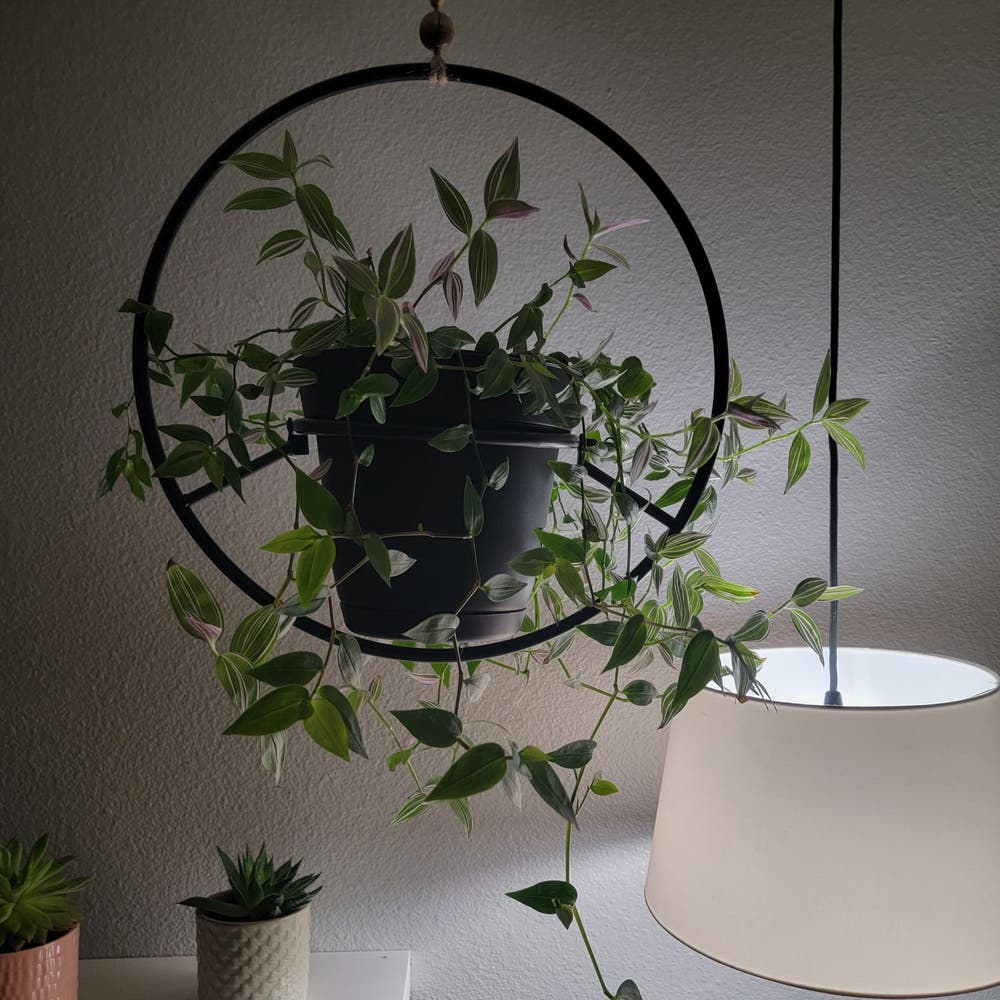
Tradescantia fluminensis 'Lilac'
By the Greg Editorial Team
Jun 18, 2024•4 min read
This article was created with the help of AI so we can cover more plants for you. May contain errors. See one? Report it here.
- Curled leaves signal distress; check light, moisture, and pests.
- Balance water and environment to prevent and fix curling.
- Consistent care is crucial for healthy Lilac Tradescantia leaves.
Spotting the Curl: Identifying the Problem
🍃 Visual Symptoms of Leaf Curling
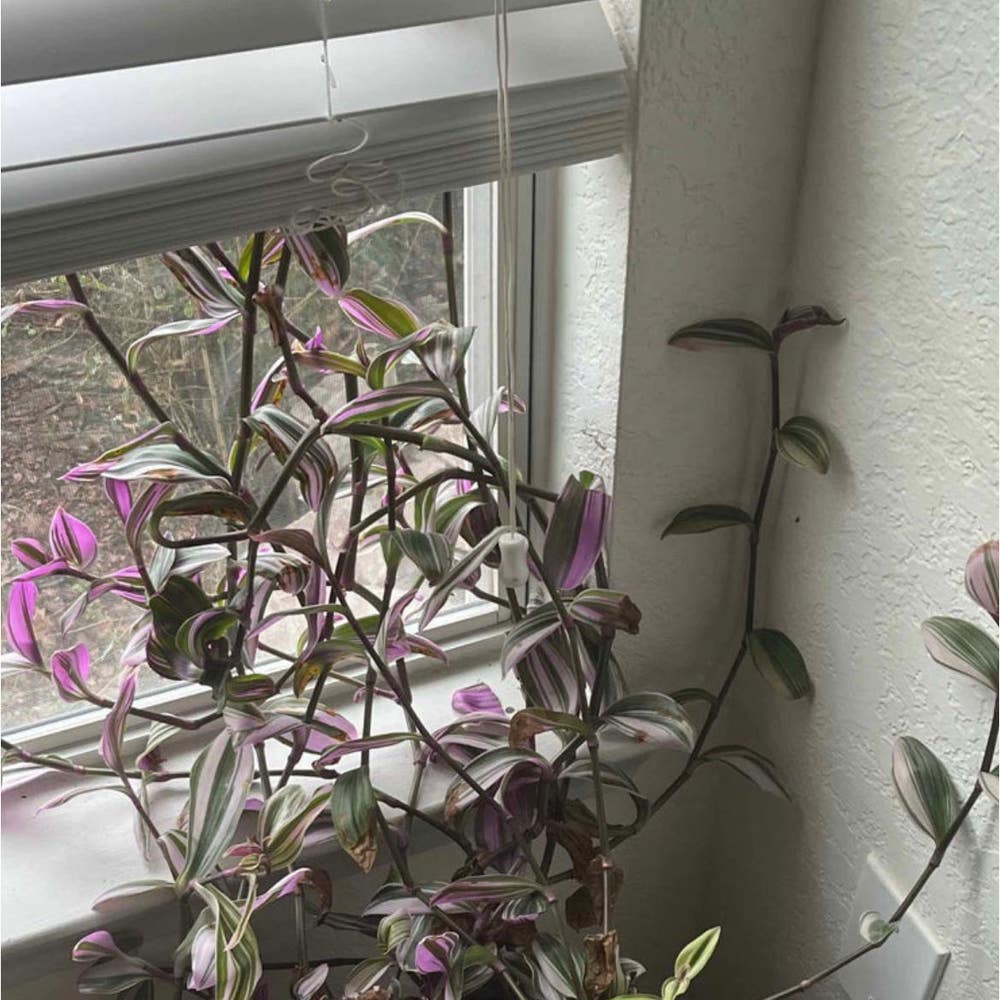
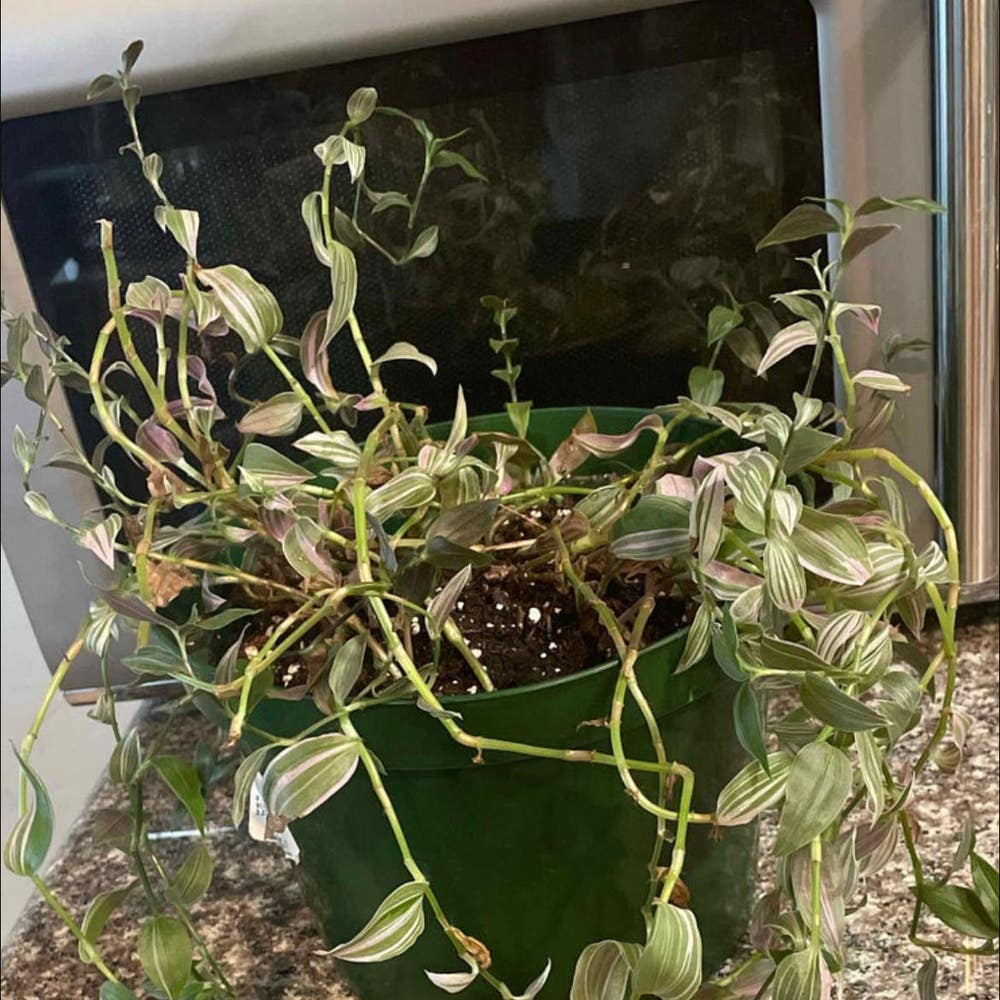
Curled leaves on a Lilac Tradescantia are hard to miss. Edges twist inward or outward, and the once flat foliage takes on a 3D contortion. This is your plant's version of a distress signal.
🕵️♀️ Immediate Checks
First, assess the lighting—too much sun can fry leaves into curls. Check the soil moisture; it should be damp, not soggy or bone-dry. Glance for pests under leaves and along stems; they're tiny, but they leave big problems in their wake.

Nailing Down the Cause
💡 Environmental Culprits
Light can either be a plant's best friend or its worst enemy. The Lilac Tradescantia needs a Goldilocks amount of light—not too much, not too little. If your plant's leaves are curling, they might be trying to escape harsh, direct sunlight or straining towards a light source they're too far from.
Temperature swings are a no-no. These plants prefer stability. Check for drafts or sudden changes in room temperature that could stress your plant out.
Humidity is the silent player in plant health. Too dry, and your Tradescantia's leaves may curl to conserve moisture. Too moist, and you risk fungal issues. Aim for that humidity sweet spot.
💧 Thirsty or Drowning?
Overwatering is a common misstep. Soggy soil can suffocate roots and lead to curling leaves. On the flip side, underwatering leaves your plant parched and its leaves curling up in distress.
Consistency is key. Establish a watering schedule that keeps the soil evenly moist but not waterlogged. Use your finger to test soil moisture before reaching for the watering can.
🐜 Unwelcome Guests
Pests like spider mites and mealybugs are tiny but mighty, causing damage that often manifests as leaf curling. Keep an eye out for these critters and their telltale signs.
Diseases can also cause leaves to curl. Fungal infections thrive in damp conditions. If you suspect a disease, isolate your plant and treat it promptly.
Regular inspections and quick action are your best defense against these unwanted guests. Keep your Tradescantia healthy, and it'll be less inviting to pests and diseases.

Turning Over a New Leaf: Solutions for Curling
🌿 Fine-Tuning the Environment
Adjusting your Lilac Tradescantia's environment is like hitting the refresh button. If your plant's leaves are curling, they might be begging for a change in scenery—or at least conditions.
Light and Temperature
Light and temperature are the divas of plant care. Too much sun and your Tradescantia's leaves might curl up as if avoiding paparazzi. Too little, and they'll languish like a star without an audience. Aim for bright, indirect light and maintain a cozy room temperature—no chilly drafts or scorching heaters.
Humidity
Humidity is the silent partner in this relationship. If the air's drier than a comedian's humor, expect some leaf curl. Boost humidity with a pebble tray or a humidifier to keep your plant from going full introvert.
💧 Watering Woes: Finding Balance
Watering is less of a science and more of an art—think precision, not guesswork. Your Tradescantia isn't a cactus, nor is it a water lily.
Watering Schedule
Establish a watering schedule that keeps the soil consistently moist but not waterlogged. If the soil feels like a wrung-out sponge, you're on the right track. If it's as soggy as a wet towel, dial it back.
🐜 Evicting Pests and Battling Diseases
Pests and diseases are the uninvited guests at your plant's dinner party. They'll munch on your Tradescantia's leaves, leaving them curled and distressed.
Pest Control
For pests, break out the insecticidal soap or neem oil. Apply with the precision of a surgeon to evict those freeloaders. Follow the instructions closely—this isn't the time for creative interpretations.
Disease Management
If diseases have taken root, it's time for triage. Trim any affected areas and treat with appropriate fungicides or bactericides. Remember, a stitch in time saves nine—regular inspections can prevent a full-blown epidemic.

Keeping Leaves Flat: Prevention Tips
🔄 Routine Care to Ward Off Curling
Consistency is your Lilac Tradescantia's best friend when it comes to keeping leaves flat. Rotate the plant regularly to ensure even light exposure, preventing the urge to curl. Watering should be adapted to the seasons—less in the cooler, dormant periods and more when growth is vigorous. Keep the soil moist but not soggy, as overwatering can be just as detrimental as underwatering.
🕵️ Monitoring and Maintenance
Stay on top of your plant's health with regular check-ups. Leaves are the barometers of wellbeing; changes in color or texture are your cues to take action. Quick responses to these signs can prevent the mild stress of today from becoming the leaf curl of tomorrow. Keep pests at bay with gentle, plant-friendly treatments and maintain clean foliage to discourage infestations. Remember, a happy plant is less likely to succumb to leaf curling, so keep that environment stable and your Tradescantia thriving.
⚠️ Safety First
This content is for general information and may contain errors, omissions, or outdated details. It is not medical, veterinary advice, or an endorsement of therapeutic claims.
Always consult a qualified healthcare professional before using any plant as food, medicine, or supplement.
Never eat any plant (or feed one to pets) without confirming its identity with at least two trusted sources.
If you suspect poisoning, call Poison Control (800) 222-1222, the Pet Poison Helpline (800) 213-6680, or your local emergency service immediately.
Spotted an error? Please report it here.
Combat your Lilac Tradescantia's leaf curling by tracking 🕵️♂️ environmental changes with Greg's PlantVision, ensuring your green friend gets the perfect amount of water and care.