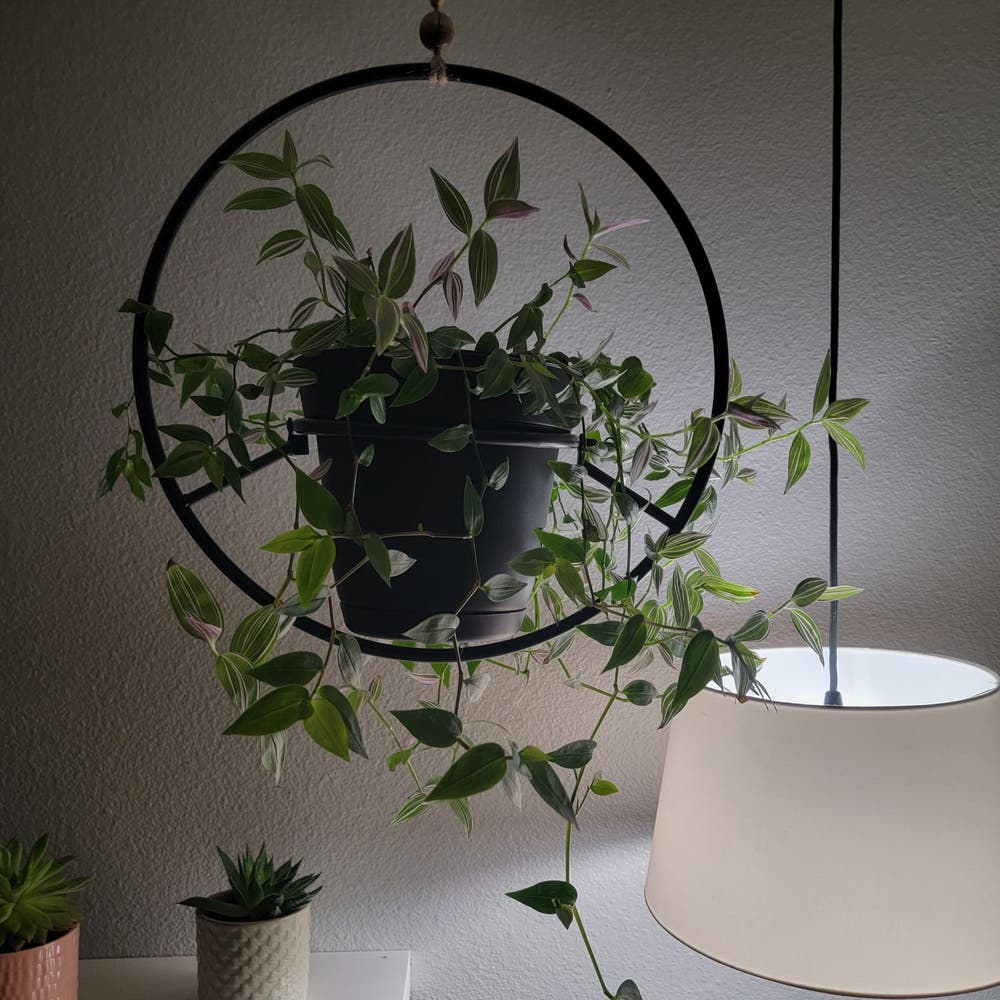
What Temperature Should My Lilac Tradescantia Be Kept At?
Tradescantia fluminensis 'Lilac'
By the Greg Editorial Team
Jun 18, 2024•4 min read
This article was created with the help of AI so we can cover more plants for you. May contain errors. See one? Report it here.
- 65°F to 75°F (18°C to 24°C) is ideal for Lilac Tradescantia.
- 🌡️ Seasonal care adjustments ensure plant comfort and health.
- Watch for leaf discoloration as a sign of temperature stress.
Hitting the Sweet Spot: Ideal Temperature Range
♨️ What's Too Hot, What's Too Cold
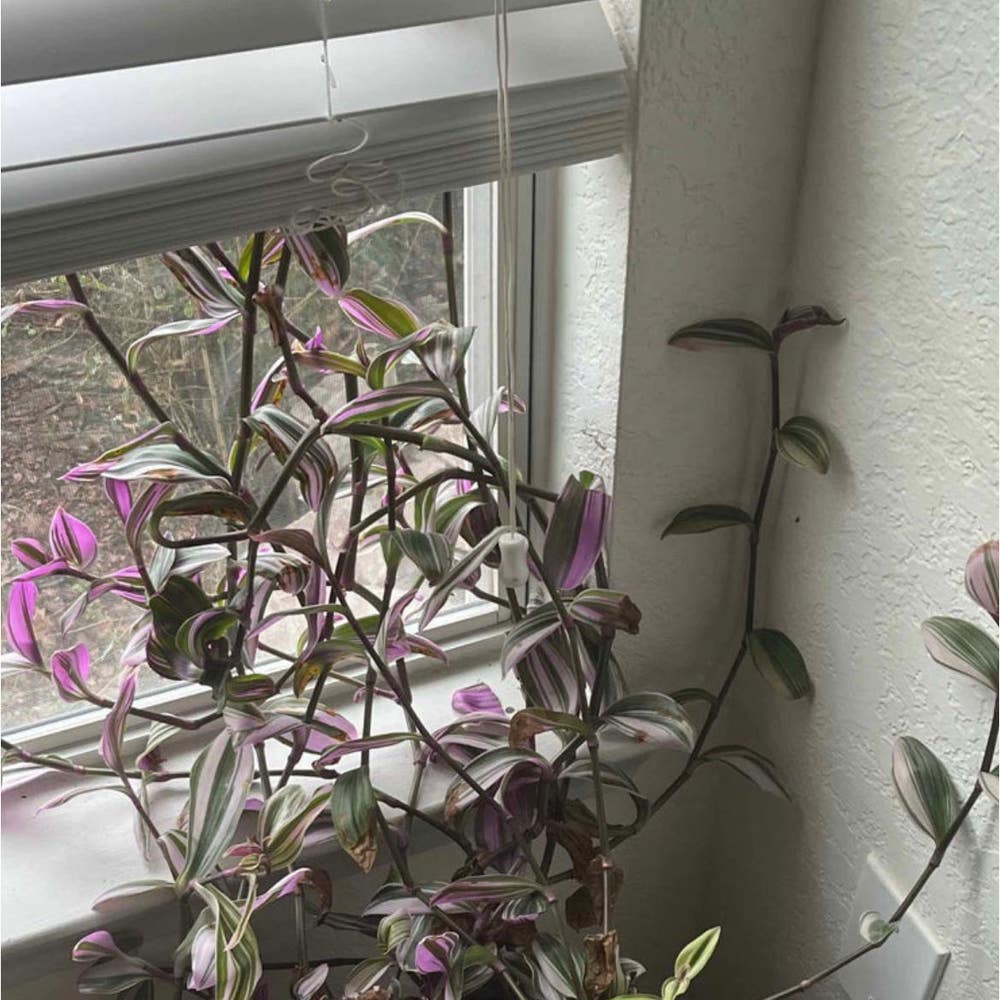
Lilac Tradescantia plants are not fans of extreme weather. 65°F to 75°F (18°C to 24°C) is their comfort zone. Keep them away from the icy grip of air conditioners and the sweltering embrace of heaters.
🌬️ Seasonal Adjustments
As seasons change, so should your care strategy. Winter might call for a slight bump in warmth, while summer could mean finding a cool, shaded spot. It's like adjusting your wardrobe, but for your plant.
🌱 Growth and Bloom: Temperature's Role
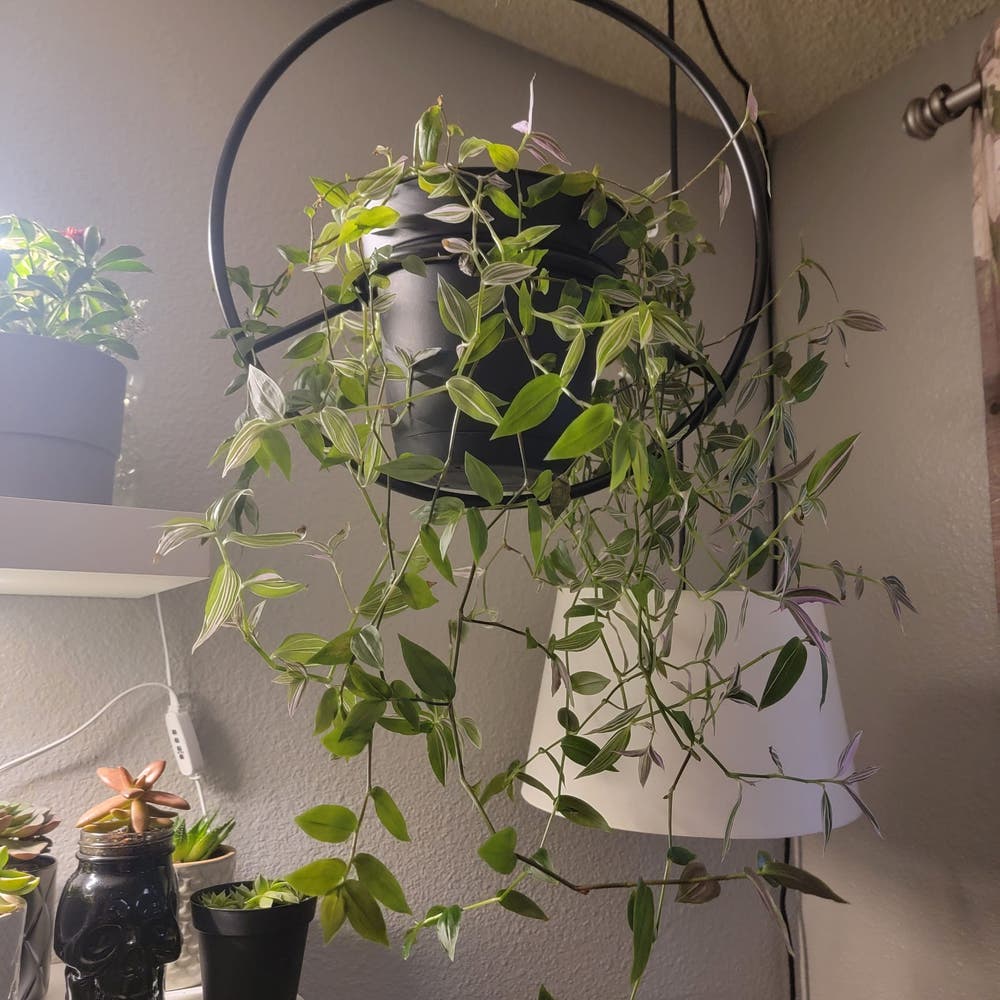
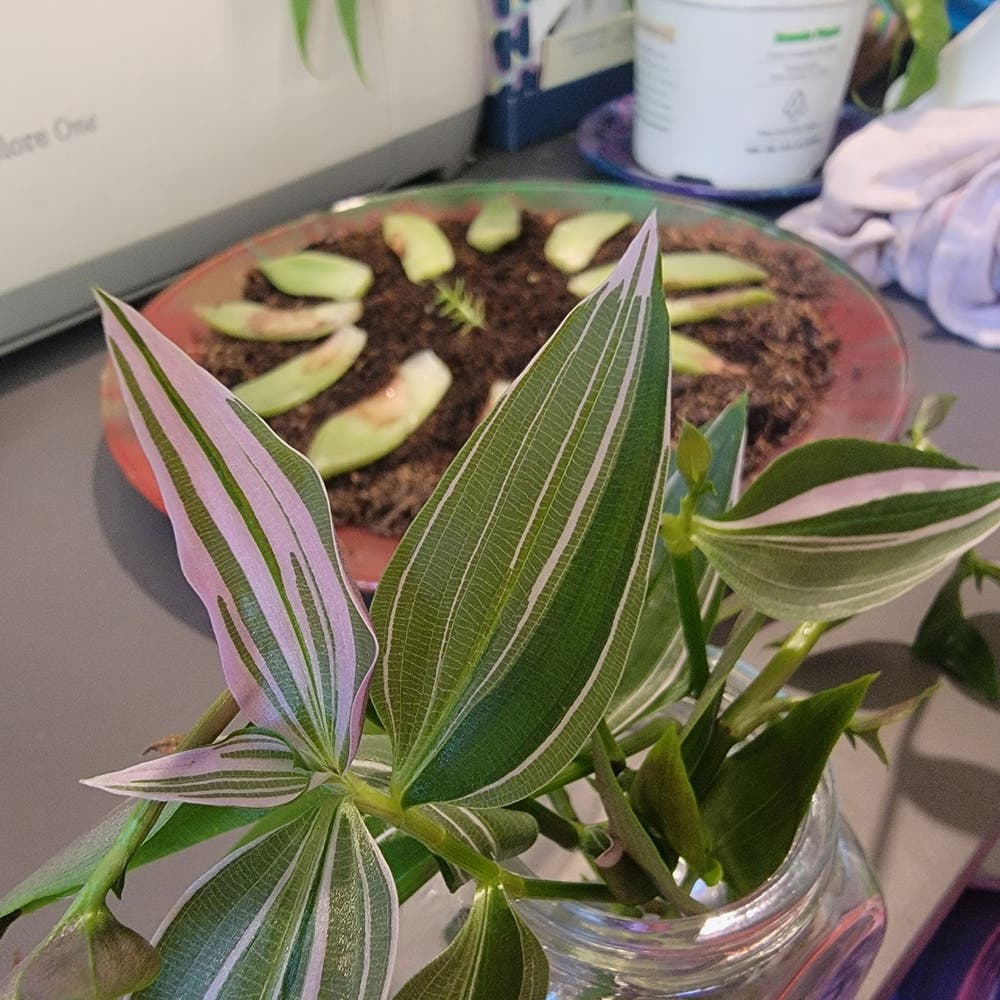
Right temperatures are like a backstage pass for your Lilac Tradescantia's growth and blooms. Stay within the sweet spot, and you'll witness a live show of vibrant foliage and potential flowers. Stray from it, and the show's over, folks.

When Your Plant's Feeling the Heat: Spotting Temperature Stress
🚨 Visual SOS: Recognizing the Signs
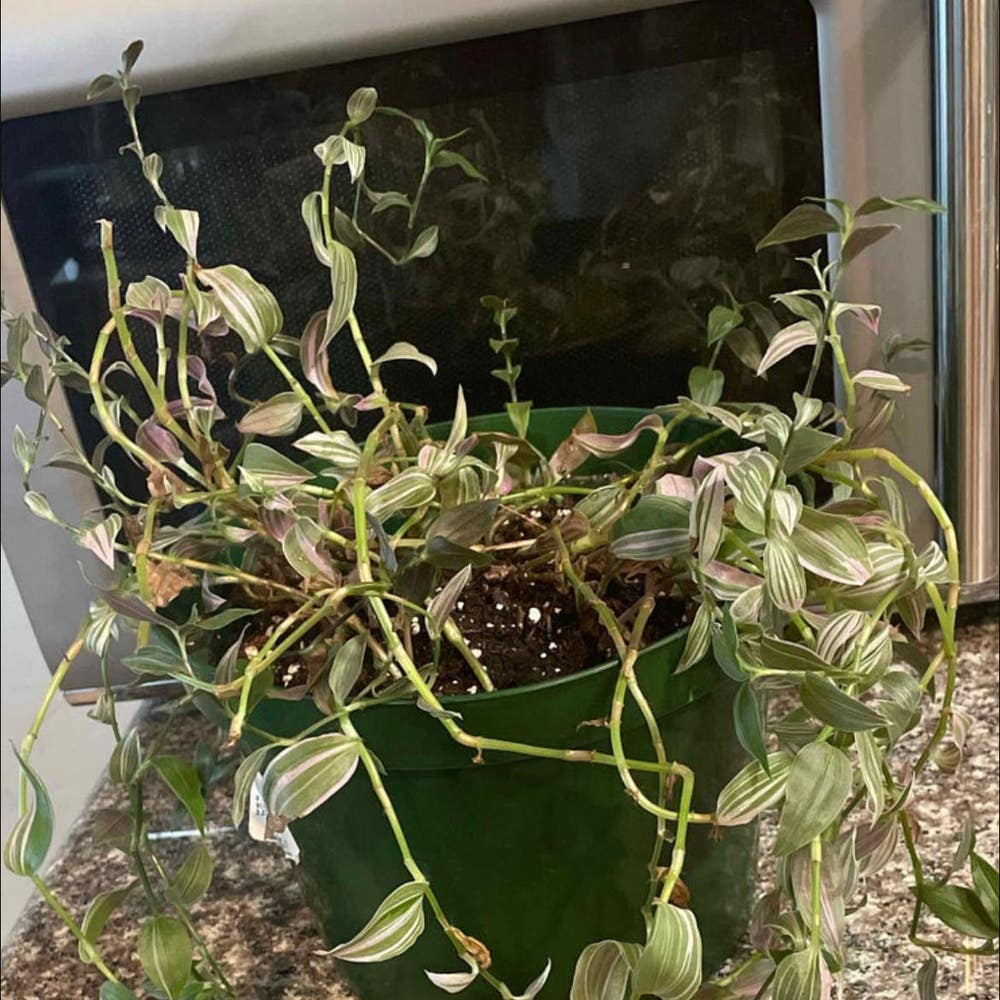
Leaf discoloration can be a distress signal from your Lilac Tradescantia. Yellow leaves might be shouting for cooler conditions or better drainage. Brown spots or edges could be the plant's way of saying it's too chilly. Wilting leaves? That's a plant on the brink of a heat-induced meltdown. And if you're witnessing a leaf drop, it's an unequivocal cry for help.
🌡 Beyond the Leaves: Other Symptoms
But it's not just about the leaves. Look for subtle signs—if your plant's overall demeanor seems off, it could be suffering from temperature stress in disguise. Stunted growth is like hitting a biological pause button due to uncomfortable temperatures. And don't be fooled by a lack of visible shivering; your plant could still be silently lamenting the cold.

Common Culprits: What's Messing with Your Plant's Climate?
❄️ Drafts and Chills: Avoiding the Cold Shoulder
Drafts are the nemesis of your Lilac Tradescantia's comfort. These sneaky gusts of cold air can cause your plant to experience a sudden and unwelcome drop in temperature. To shield your plant, keep it away from open windows, doors, and air conditioning vents. Consistency is key to avoiding the cold shoulder that can stunt growth or even cause damage to your plant's delicate leaves.
☀️ Heat Waves and Sunburns: Shielding from the Scorch
When the thermostat climbs, your Lilac Tradescantia feels the burn. Heat stress can lead to wilting, discoloration, and a dramatic performance of leaf drop. To combat this, position your plant in a spot that enjoys bright, indirect sunlight and away from the direct afternoon sun. If a heatwave is on the horizon, a light misting can help cool it down, but remember, it's not a fan of sauna conditions. Protection from intense heat is as crucial as it is from the cold.

A Quick Nod to Humidity: The Temperature's Sidekick
🌡️ Balancing Act: Humidity and Temperature Harmony
Humidity is the invisible partner to temperature in the dance of indoor plant care. For Lilac Tradescantia, striking a balance between the two is crucial.
High humidity paired with cool temperatures invites fungal issues, while low humidity in warm conditions can stress the plant, leading to dehydration. The sweet spot lies in maintaining a consistent level of moisture in the air that complements the ideal temperature range for the plant.
Using a hygrometer is essential; it's not just a tool, it's your plant's best friend for avoiding the guesswork in maintaining that perfect balance. If the air is drier than your humor, consider a humidity tray or placing your plant in a naturally more humid room, like a bathroom.
Remember, airflow is the wingman to humidity. A gentle fan can prevent stagnant conditions that are a siren call for pests and diseases. Keep the air around your Tradescantia as balanced as a well-made cocktail, and you'll have a happy plant on your hands.
⚠️ Safety First
This content is for general information and may contain errors, omissions, or outdated details. It is not medical, veterinary advice, or an endorsement of therapeutic claims.
Always consult a qualified healthcare professional before using any plant as food, medicine, or supplement.
Never eat any plant (or feed one to pets) without confirming its identity with at least two trusted sources.
If you suspect poisoning, call Poison Control (800) 222-1222, the Pet Poison Helpline (800) 213-6680, or your local emergency service immediately.
Spotted an error? Please report it here.
Ensure your Lilac Tradescantia is always in its ideal climate 🌡️ with Greg's custom care reminders that account for seasonal shifts and keep temperature stress at bay.