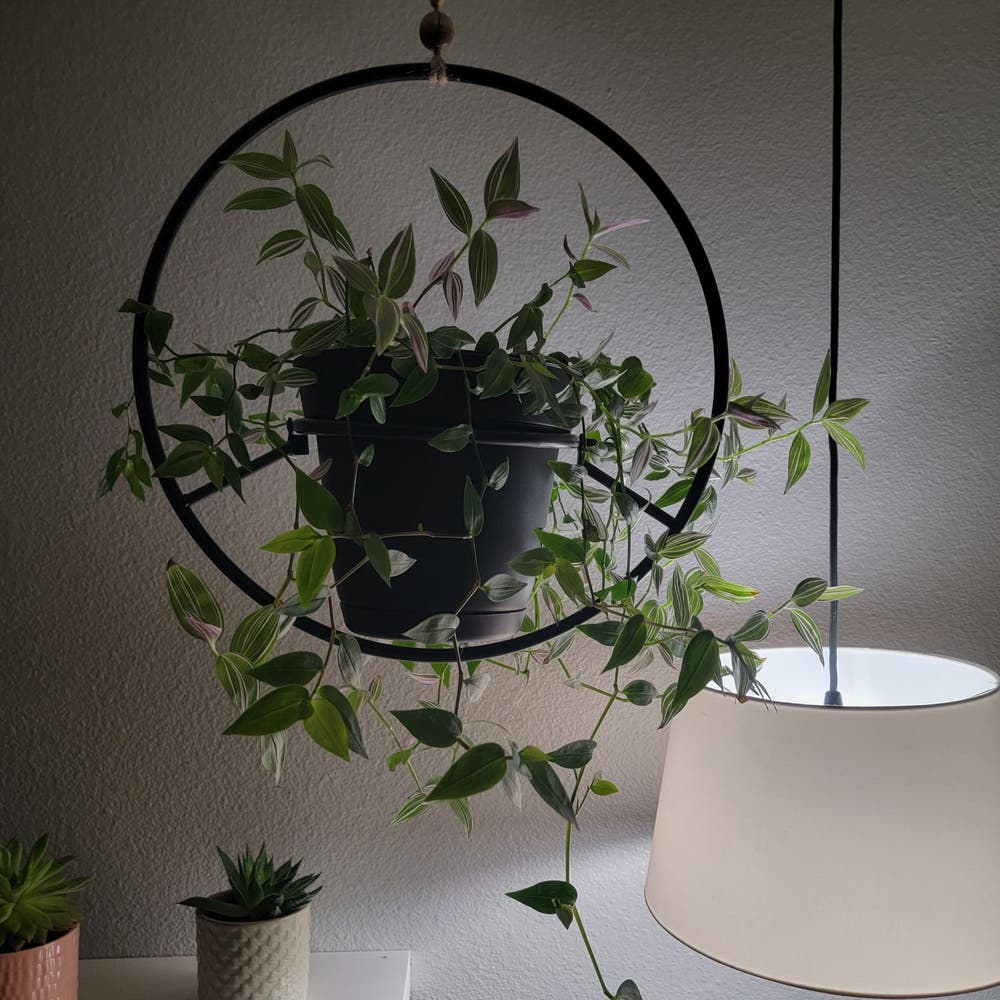
Common Lilac Tradescantia Problems
Tradescantia fluminensis 'Lilac'
By the Greg Editorial Team
Jun 18, 2024•4 min read
This article was created with the help of AI so we can cover more plants for you. May contain errors. See one? Report it here.
- 🌱 Yellow/black spots or wilting indicate over/under-watering; aim for moist soil.
- 🌡️ Keep temperature 18-24ºC and rotate for even light to prevent leaf issues.
- ✂️ Prune and repot if root rot or pests appear; isolate and treat with soapy water/alcohol.
When Water Woes Strike: Inconsistent Watering and Its Fallout
🚱 Spotting the Signs
- Yellow leaves or black spots? Over-watering alert. Your Lilac Tradescantia might be drowning in excess H2O.
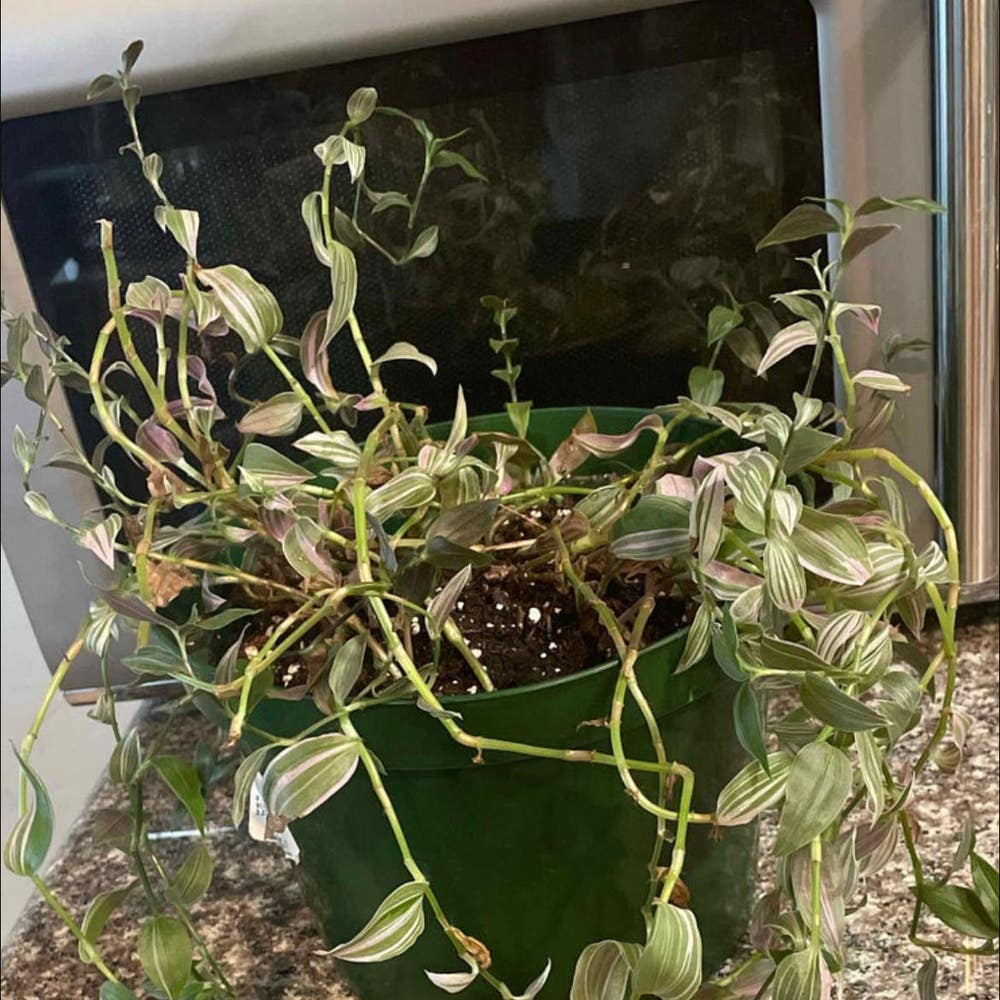
- Wilting, browning tips, and a dry touch? That's under-watering calling for a hydration boost.
🚰 Making It Right
- Aim for moist soil—think of the dampness of a wrung-out sponge, not a soaked towel.
- Adjust your watering to the seasons: less in winter, more in summer. Your plant's not sending calendar invites, so set your own reminders.
- Consistency is your new best friend. Watering should be as regular as your morning coffee ritual.
- Overdone it? Let the soil dry out a bit before the next watering rendezvous. Underdone it? Gradually increase the amount, but don't go from desert to deluge overnight.

Light and Temperature: The Balancing Act
⛅️ Reading the Leaves
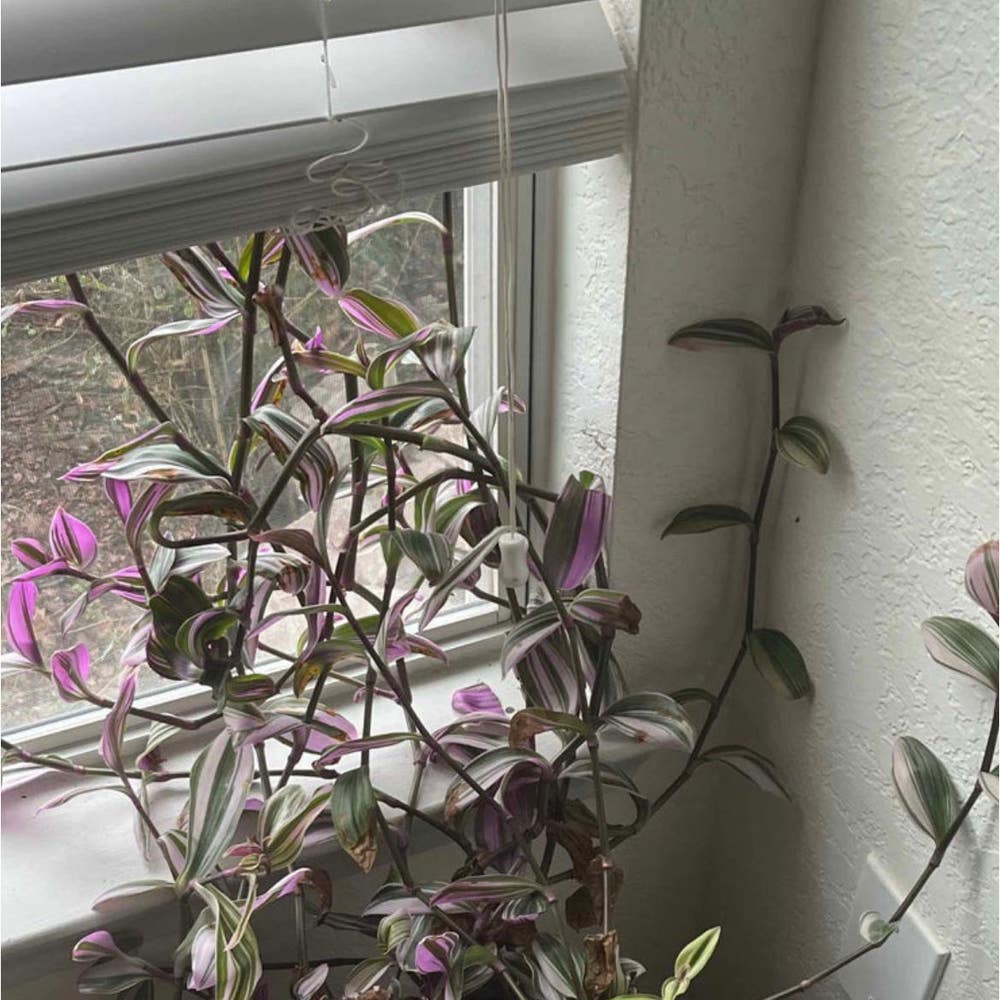
Your Lilac Tradescantia's leaves are like a mood ring—they change to tell you about light and temperature conditions. If they're bleached or scorched, they're screaming, "Turn down the sun!" Leggy stems and sparse leaves? It's a silent protest for more light.
⚖️ Solutions for Stability
Rotate your plant regularly to give each side its moment in the sun—literally. This prevents the botanical equivalent of a lopsided haircut. Aim for bright, indirect light; direct sun is a no-go unless you're into the crispy leaf aesthetic.
Keep the temperature consistent, ideally between 18-24ºC (64-75ºF). Your Tradescantia isn't a fan of the thrill of temperature swings. It prefers a stable environment—think steady spring day, every day. Avoid drafts and direct heat sources like the plague.
Remember, your plant's comfort zone is a narrow one. It doesn't want to bake in the sun or shiver in the cold. It's all about finding that sweet spot where your Tradescantia can bask in the glow without breaking a sweat.

The Unseen Enemy: Root Rot and Fungal Foes
🍄 Root Rot Revelations
Yellowing leaves and a sparse canopy might scream 'hydration issue,' but the real scream for help comes from beneath the soil. If your Lilac Tradescantia's roots are as mushy as overripe fruit, it's root rot. A foul odor from the soil is like an SOS signal—unpleasant and unmistakable.
🍄 Fungal Troubles Uncovered
Mold and fungus on your Tradescantia are the party crashers no one invited. White or black spots on the soil or plant are visual cues of an unwanted fungal rave. Time to crank up the airflow and consider a fungicide—though it's more of a quick fix than a long-term solution.
🍄 Turning the Tide
When root rot hits, it's time for plant surgery. Sterilize your shears and cut away the rot like you're on a medical drama. Repot in fresh, well-draining soil, because second chances are precious. Going forward, water with a measured hand—overwatering is root rot's bestie. Keep an eye out for signs of recovery, and remember, vigilance is your new hobby.

Pests and Leaf Scorch: External Aggressors
🐜 Pests: The Unwanted Guests
Pests are relentless invaders that can wreak havoc on your Lilac Tradescantia.
Recognizing the Intruders
Aphids, spider mites, and mealybugs are the usual suspects. Sticky residue or tiny webs on your Tradescantia? Time to inspect for pests.
Eviction Tactics
Isolate the affected plant to prevent a full-blown infestation. A soft cloth with soapy water or a diluted isopropyl alcohol spray can be your first line of defense.
🍂 Leaf Scorch: When the Sun is Too Much
Leaf scorch is a silent aggressor, often mistaken for a pest attack.
Spotting the Damage
Look for leaves drying from the tips inward. This is a classic sign of scorch.
Prevention and Care
Move your Tradescantia to a less exposed location if it's getting too much sun. Prune damaged leaves to redirect energy to healthier growth.
⚠️ Safety First
This content is for general information and may contain errors, omissions, or outdated details. It is not medical, veterinary advice, or an endorsement of therapeutic claims.
Always consult a qualified healthcare professional before using any plant as food, medicine, or supplement.
Never eat any plant (or feed one to pets) without confirming its identity with at least two trusted sources.
If you suspect poisoning, call Poison Control (800) 222-1222, the Pet Poison Helpline (800) 213-6680, or your local emergency service immediately.
Spotted an error? Please report it here.
Ensure your Tradescantia flourishes by letting Greg craft a custom watering schedule 💧 and connect you with experts for pest control, making plant care a breeze.