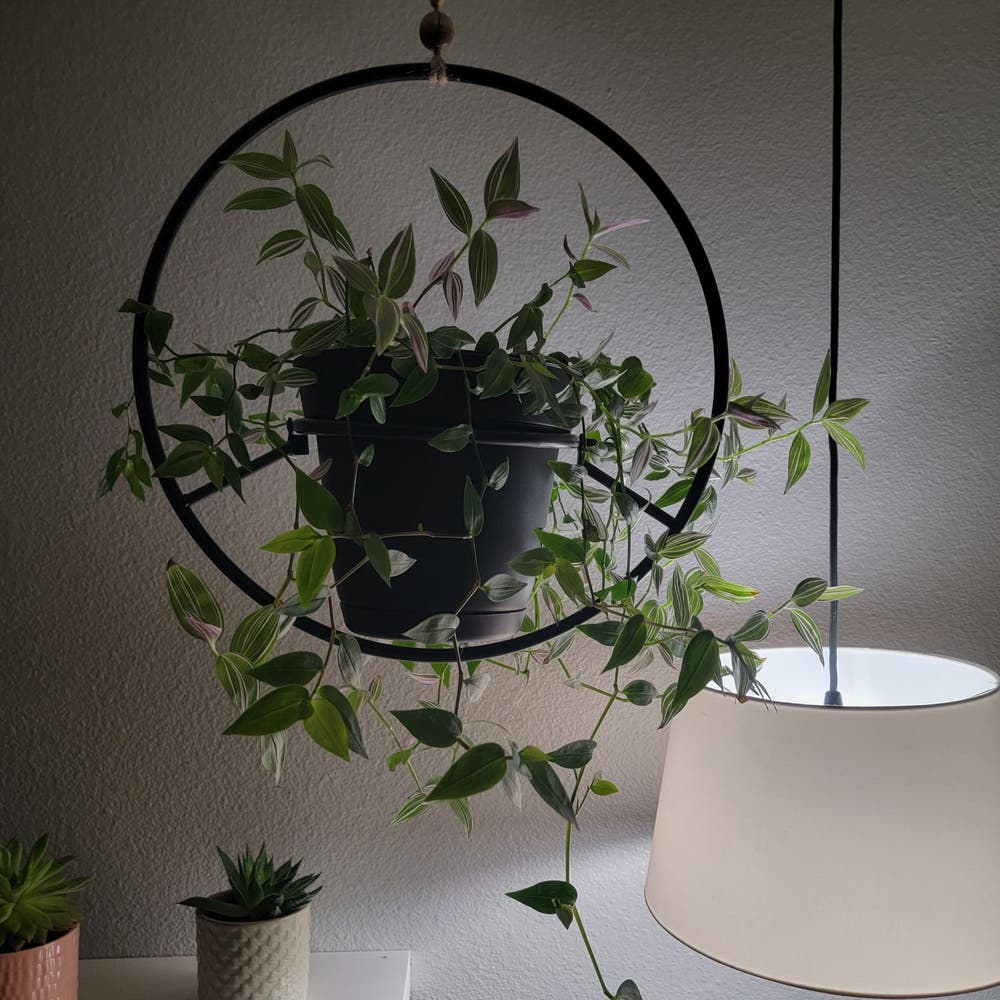
How to Propagate Your Lilac Tradescantia
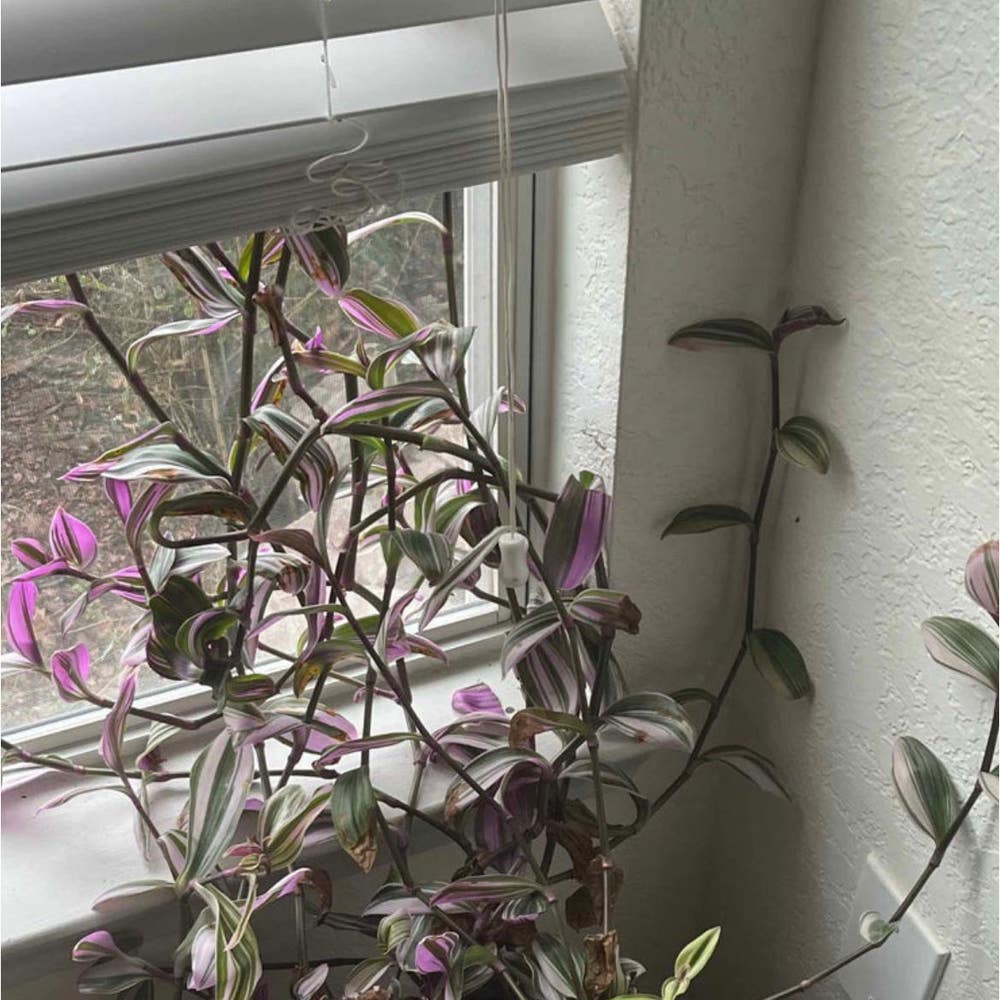
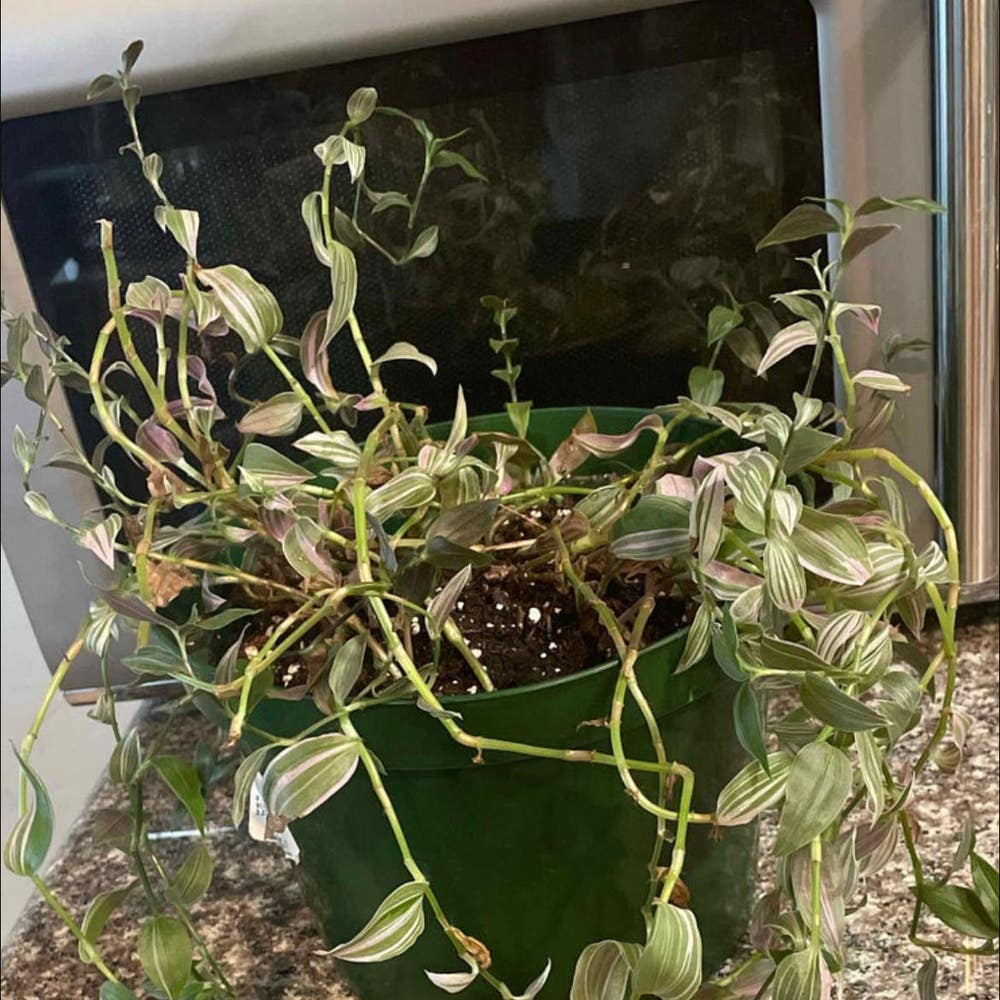
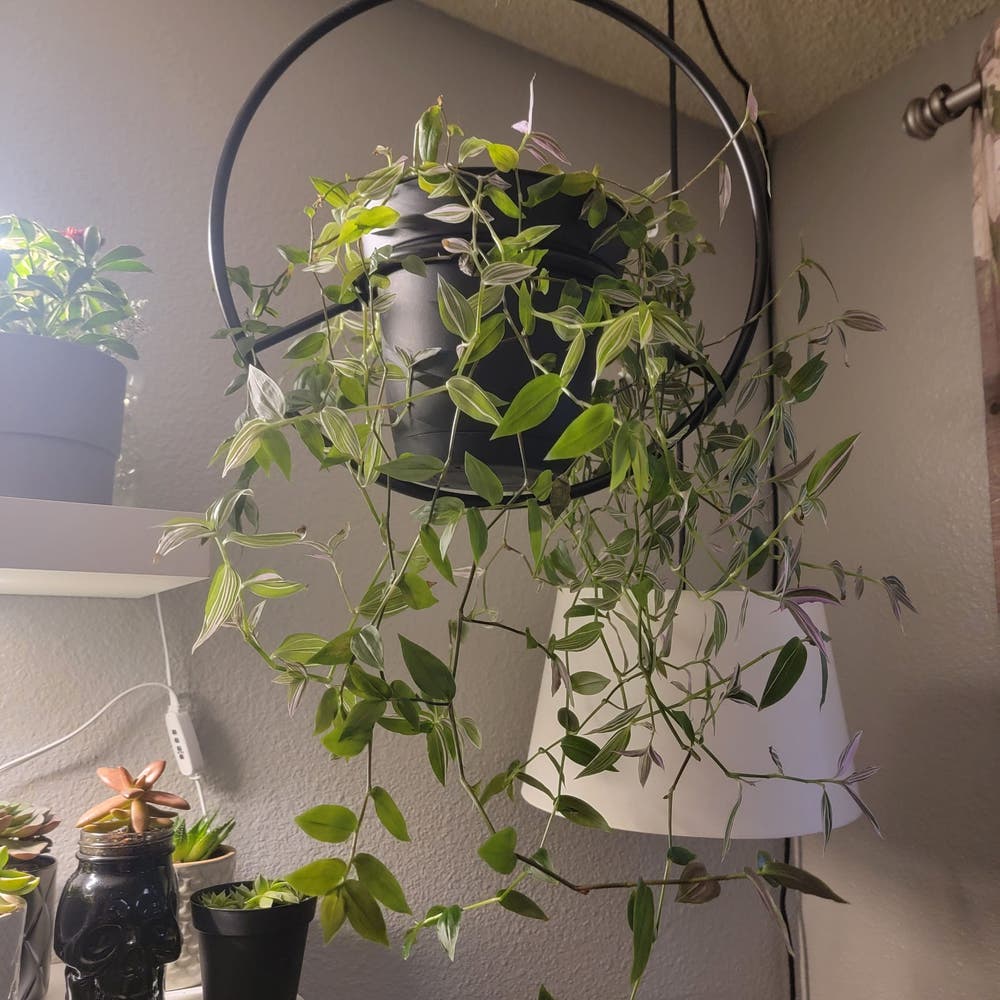
Tradescantia fluminensis 'Lilac'
By the Greg Editorial Team
Jun 18, 2024•5 min read
This article was created with the help of AI so we can cover more plants for you. May contain errors. See one? Report it here.
- Choose healthy stems and strip lower leaves to prevent rot during propagation.
- Root cuttings in water or soil: water for monitoring, soil for stability.
- Divide in spring, ensuring each section has roots and foliage for natural multiplication.
Snip & Grow: Propagation from Stem Cuttings
🌱 Choosing Your Champions
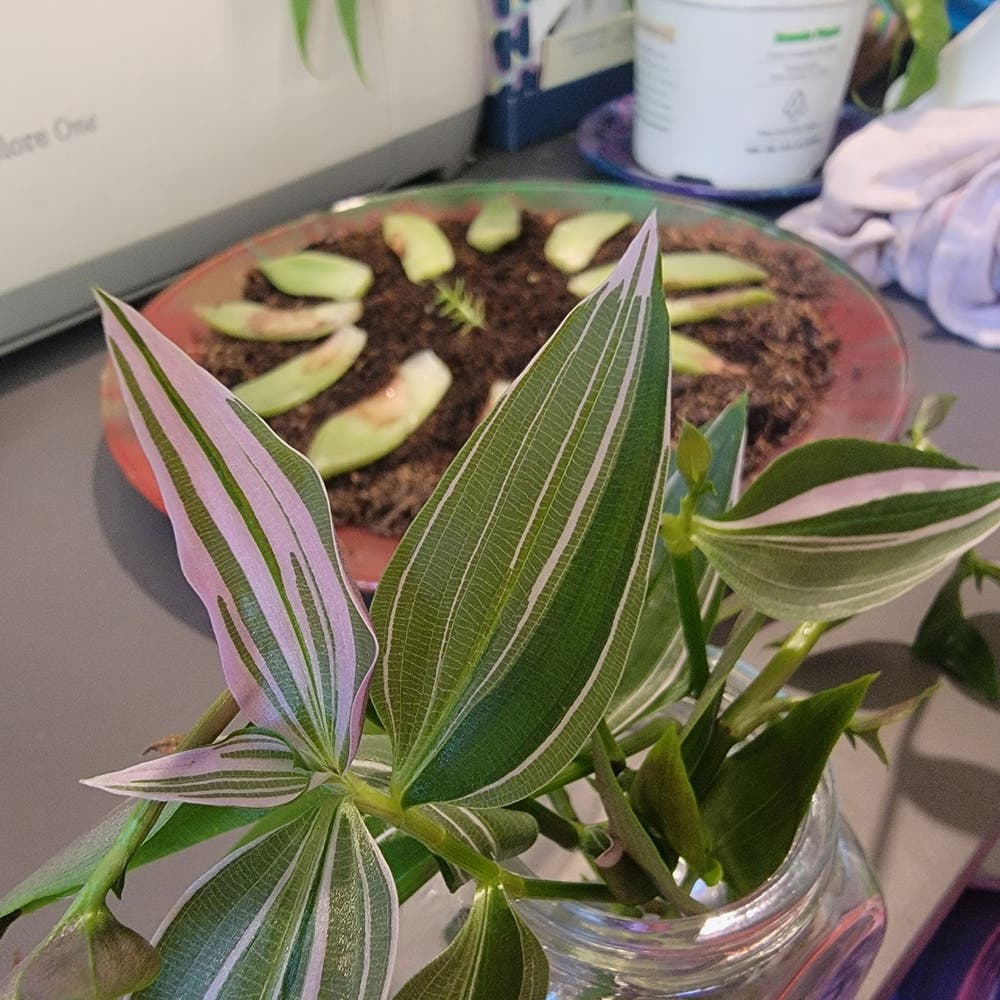
Selecting the healthiest stems is your first step toward a thriving Tradescantia family. Look for stems that boast a vibrant color and a firm texture, showing no signs of weakness or disease. Grab some clean shears and make a confident snip below a leaf node, then strip off the lower leaves to avoid rot. If you're feeling fancy, a dip in rooting hormone can kickstart the rooting process, but it's not a deal-breaker if you skip it.
🌿 Rooting for Success
Decisions, decisions: water or soil? Rooting in water is like a reality show for plant growth—you get to watch every twist and turn of root development. Plus, it's easier to spot and troubleshoot any strugglers. On the flip side, rooting in soil can feel like a leap of faith, but it offers your cuttings a more stable and natural transition to their final growing medium. Either way, keep your cuttings moist and whisper sweet nothings to them for encouragement.
🌼 Creating the Perfect Propagation Ambience
Light, temperature, and humidity aren't just small talk for plants; they're the main event. Place your cuttings in a spot with bright, indirect light—think of it as their personal spotlight. Keep them warm, but not too hot; aim for a cozy 70-75°F (21-24°C). As for humidity, think tropical vacation vibes—mist regularly or create a mini greenhouse with a plastic bag to keep the air around your cuttings as humid as a rainforest.

Multiply Through Division: Propagation from Mature Plants
🌱 The Division Dance
Dividing your Lilac Tradescantia is like unlocking its natural potential to multiply. Spring is the ideal time, as the plant is entering a phase of active growth. Start by gently removing the mother plant from its pot, shaking off excess soil to expose the root system. Look for natural separations in the root ball; these are your cues for division. With a clean, sharp knife or your hands, separate the plant into smaller sections, ensuring each has a fair share of roots and foliage. It's a straightforward process: divide, conquer, and watch your Tradescantia family grow.
🌿 Post-Division Care
After the division, your Tradescantia's roots might be a tad shocked. Water sparingly to avoid drowning the tender roots in their new environment. Choose a well-draining potting mix and pots with drainage holes to give your new plants the best start. Keep them in a spot with bright, indirect light and maintain consistent humidity. Resist the urge to pamper them with fertilizer; fresh soil provides all the nutrients they need. With these care tips, your newly independent Tradescantias will soon thrive, flaunting their lilac hues with pride.

Little Ones to Full-Grown: Propagation from Offsets
🌱 Spotting Potential
Offsets are your Lilac Tradescantia's gift to the propagation world. Look for the plump ones with a few roots—they're ready to fly the nest.
🌿 The Right Way to Separate
Sterilize your tools; think of yourself as a plant surgeon. Gently twist or cut the offsets from the mother plant, ensuring roots remain intact. Pot them in fresh soil, and avoid the rookie mistake of overwatering. Keep these fledglings in bright, indirect light, and resist the urge to fertilize until they've settled in.

After Propagation: Ensuring a Strong Start
💧 The First Few Weeks
Watering is the lifeline for your newly propagated Tradescantia. Consistency is your new mantra: keep the soil as moist as a well-wrung sponge. When the top inch feels like a dry debate, it's time to quench your plant's thirst.
Light is just as crucial. Your plant babies need indirect sunlight, like a soft morning glow rather than a midday glare. Position them in a spot that's bright yet gentle, avoiding the harshness of direct rays.
Feeding is off the table for now. Your young plants are acclimating, not ready for a full feast. Hold off on fertilizers until they've established themselves and show new growth. Then, a diluted, balanced fertilizer bi-monthly is like a gentle nudge for them to flourish.
🛠 Troubleshooting Common Setbacks
Leggy growth? It's a cry for more light. If your Tradescantia starts resembling a beanstalk, it's time to reevaluate its sunbathing habits. Move it closer to light, but keep it soft and indirect.
Rotting is a red flag for overwatering. If the roots are turning into mush, it's time to let the soil dry out a bit between waterings. Think of it as giving your plants a breather.
Non-rooting cuttings can be disheartening. If you're staring at stagnant stems, consider a rooting hormone pep talk. It's like a coach for roots, encouraging them to break out and grow.
Regular check-ins are your best defense against these setbacks. Observe your plants every few days, and adjust your care routine as needed. It's about growing your green thumb as much as your plants. Embrace the challenges, and watch your indoor jungle thrive!
⚠️ Safety First
This content is for general information and may contain errors, omissions, or outdated details. It is not medical, veterinary advice, or an endorsement of therapeutic claims.
Always consult a qualified healthcare professional before using any plant as food, medicine, or supplement.
Never eat any plant (or feed one to pets) without confirming its identity with at least two trusted sources.
If you suspect poisoning, call Poison Control (800) 222-1222, the Pet Poison Helpline (800) 213-6680, or your local emergency service immediately.
Spotted an error? Please report it here.
Propagate your Lilac Tradescantia like a pro 🌱 with Greg's custom care plans and reminders for each step of the growth journey!