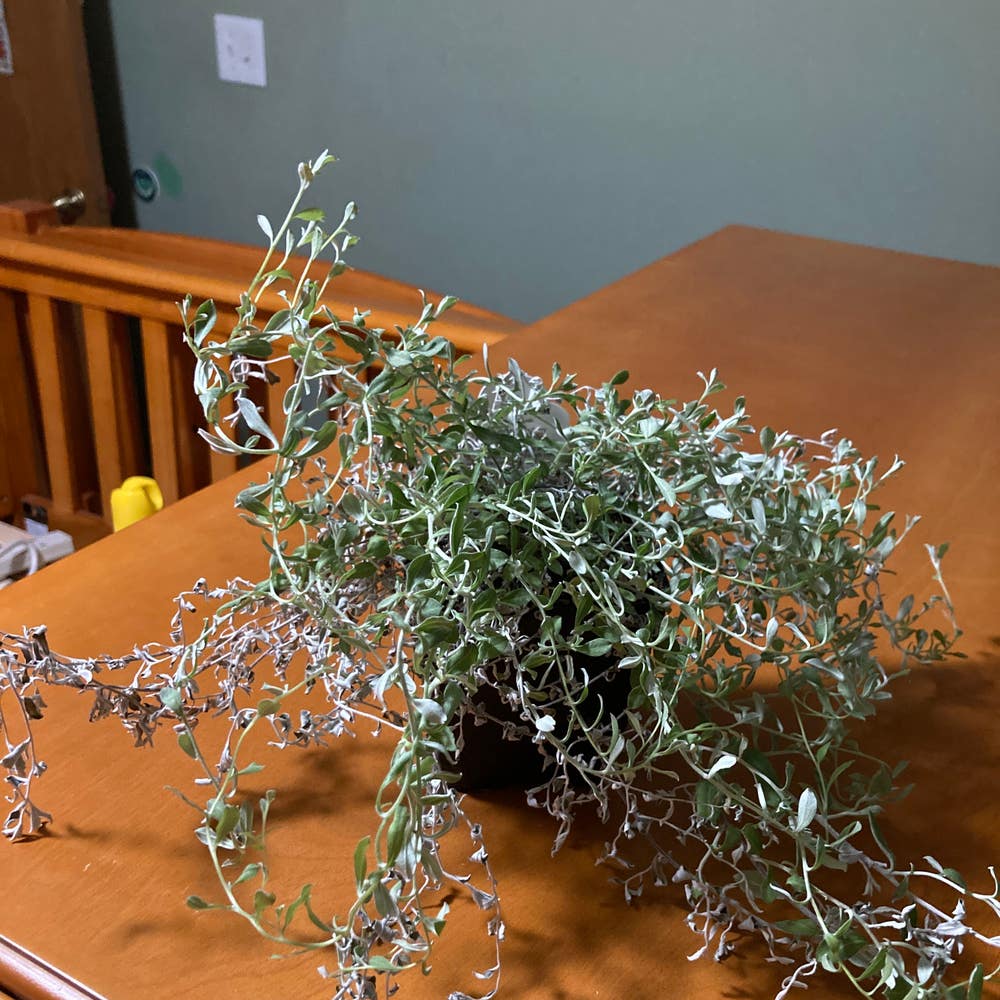
❄️ How to Care for Your Silver Bracts in Winter
Helichrysum bracteatum
By the Greg Editorial Team
Sep 28, 2024•5 min read
This article was created with the help of AI so we can cover more plants for you. May contain errors. See one? Report it here.
- ❄️ Protect Silver Bracts from frost using cloth or burlap before the first frost.
- 🌱 Adjust winter watering to prevent root rot; let soil dry between waterings.
- 🌬️ Use windbreaks to shield plants from harsh winds that worsen frost damage.
Winter Care Requirements
❄️ Frost protection techniques
Frost protection is crucial for Silver Bracts, as these plants are sensitive to cold temperatures. Without proper measures, frost can cause irreversible damage, leading to brown, crispy leaves and stunted growth.
Methods for protecting Silver Bracts from frost:
- Covering with frost cloth or burlap: This creates a barrier against cold air and frost.
- Using mulch to insulate roots: A thick layer of mulch helps maintain soil temperature and protects root systems.
- Creating windbreaks with barriers: Physical barriers can shield plants from harsh winds that exacerbate frost damage.
Timing for implementing frost protection measures
It's best to implement these frost protection techniques before the first expected frost. Regularly check local weather forecasts to stay ahead of cold snaps.
💧 Adjusting watering schedules during winter
During winter, Silver Bracts require less frequent watering compared to their growing season. Overwatering can lead to yellowing leaves and root rot, so it's essential to monitor soil moisture closely.
Allow the soil to dry out between waterings. This practice not only prevents root issues but also mimics the plant's natural dormancy period.
🌱 Fertilizing Silver Bracts in winter
Fertilization should be minimal during the dormancy phase of winter. Silver Bracts benefit from a break in nutrient supply, allowing them to conserve energy.
Types of fertilizers suitable for winter application:
- Slow-release fertilizers: These provide a steady supply of nutrients without overwhelming the plant.
- Organic options like compost: Compost enriches the soil naturally and supports healthy root systems.
Timing for fertilizing: Early winter vs. late winter considerations
Consider fertilizing early in winter if your plants show signs of stress. However, late winter is often more suitable as it prepares them for the upcoming growth season.
As you care for your Silver Bracts this winter, remember that each step contributes to their health and vitality. Next, we’ll explore how to provide optimal indoor conditions for your plants during the colder months.
Indoor Winter Care
🌱 Conditions for indoor Silver Bracts
Creating the right indoor environment is crucial for your Silver Bracts. They thrive in bright, indirect light, which mimics their natural habitat.
Humidity is another key factor. Indoor air can get dry during winter, so maintaining moisture is essential to keep your plants happy.
A well-draining potting mix is vital to prevent root rot. Look for soil that allows excess water to escape while retaining some moisture.
🌡️ Light and temperature requirements indoors
For optimal growth, keep your Silver Bracts in a temperature range of 60°F to 70°F (15°C to 21°C). This cozy environment helps them stay healthy during the colder months.
If natural light is lacking, consider using grow lights. They can supplement your plants' light needs effectively.
Keep an eye out for signs of stress, such as leaf drop or discoloration. These indicators can help you adjust care before issues escalate.
As you care for your Silver Bracts indoors, remember that a little attention goes a long way. With the right conditions, your plants will thrive and be ready for spring growth.
Spring Preparation
Signs of recovery from winter damage 🌱
As winter fades, look for signs of healthy regrowth in your Silver Bracts. New leaf buds and vibrant colors are excellent indicators that your plants are bouncing back.
Assessing damage is crucial. Check for dead or damaged branches to determine what needs to be pruned for optimal growth.
Preparing Silver Bracts for spring growth 🌼
Transitioning your Silver Bracts back to outdoor conditions requires a careful approach. Start with gradual acclimatization to outdoor temperatures to avoid shocking the plants.
Reintroduce them to sunlight slowly, beginning with partial shade. This helps them adjust without getting scorched.
Adjust your fertilization and watering routines as spring progresses. Increased growth means your plants will need more nutrients and moisture, so keep an eye on their needs.
With these steps, your Silver Bracts will thrive as they welcome the warmth of spring. Next, let’s explore common winter problems and solutions to ensure your plants stay healthy year-round.
Common Winter Problems and Solutions
❄️ Identifying Frost Damage
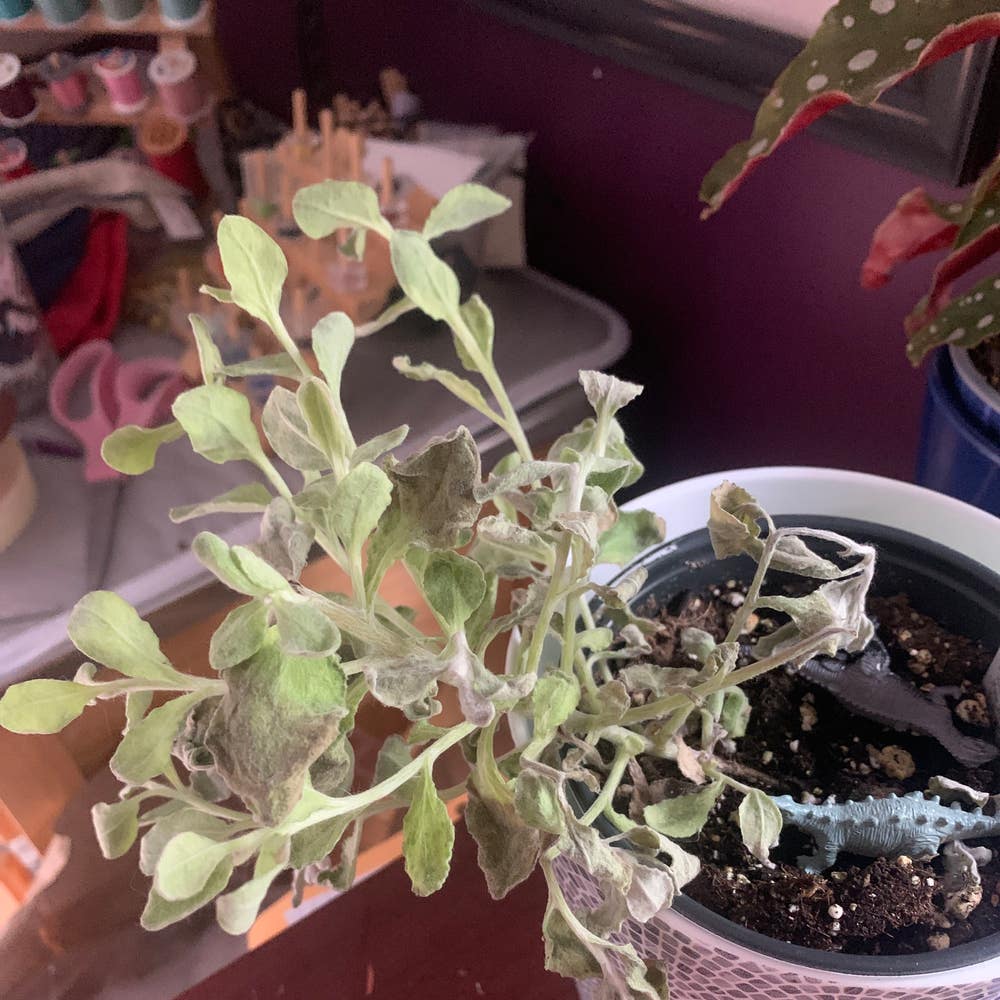
Frost damage can be a real concern for your Silver Bracts during winter. Look for symptoms like brown, crispy leaves and wilting, which indicate that your plants have been affected by cold temperatures.
To assess the extent of the damage, check for discoloration on the leaves and inspect the stems for any signs of brittleness. Healthy foliage should feel firm, while damaged areas may appear mushy or dry.
🌱 Solutions for Winter Stress in Silver Bracts
If you notice frost damage, don’t panic—there are effective recovery techniques. Start by pruning any affected areas to encourage new growth and prevent further stress on the plant.
Adjust your watering and fertilization practices post-damage. Less frequent watering is key, as overwatering can exacerbate stress.
For future winters, consider preventative measures. Choosing cold-hardy cultivars can make a significant difference in your plants' resilience. Additionally, implementing better frost protection strategies will help safeguard your Silver Bracts against harsh conditions.
With these tips, you can ensure your Silver Bracts not only survive winter but thrive come spring. Now, let’s explore how to prepare them for the upcoming growth season!
⚠️ Safety First
This content is for general information and may contain errors, omissions, or outdated details. It is not medical, veterinary advice, or an endorsement of therapeutic claims.
Always consult a qualified healthcare professional before using any plant as food, medicine, or supplement.
Never eat any plant (or feed one to pets) without confirming its identity with at least two trusted sources.
If you suspect poisoning, call Poison Control (800) 222-1222, the Pet Poison Helpline (800) 213-6680, or your local emergency service immediately.
Spotted an error? Please report it here.
Protect your Silver Bracts from winter's chill ❄️ with Greg's tailored frost protection tips and watering reminders to keep them thriving all season long!