🌸 8 Factors Affecting Silver Bracts Flowering
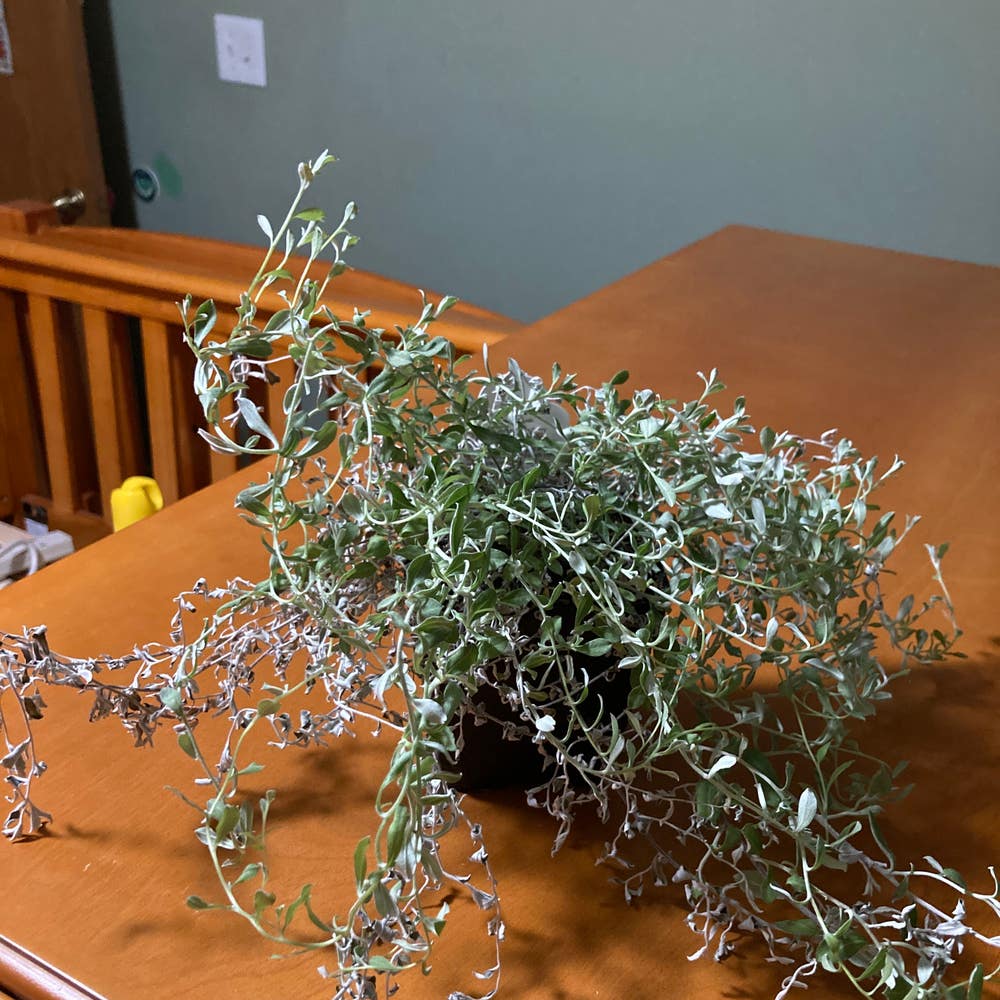
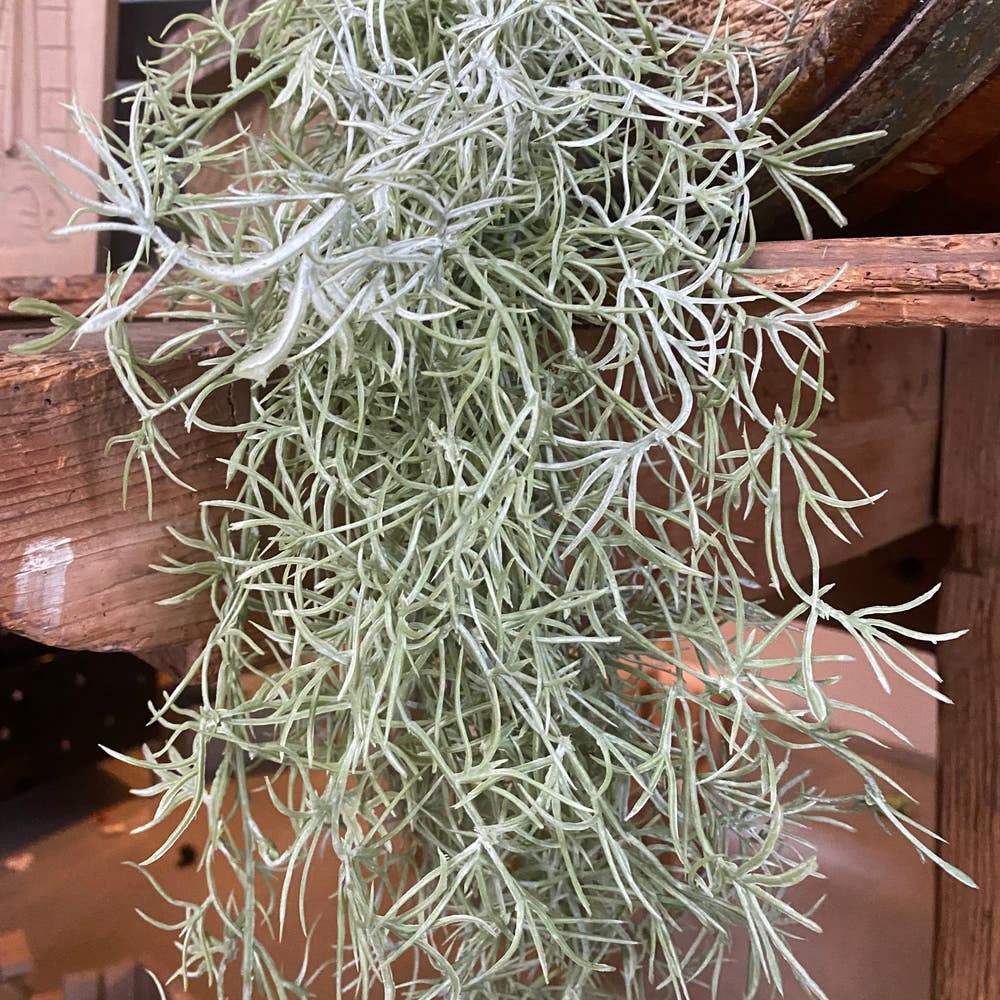
Helichrysum bracteatum
By the Greg Editorial Team
Sep 28, 2024•5 min read
This article was created with the help of AI so we can cover more plants for you. May contain errors. See one? Report it here.
- ☀️ Silver Bracts need 6-8 hours of sunlight for optimal flowering and growth.
- 🌱 Nutrient balance is crucial; phosphorus boosts bud formation and prevents poor blooms.
- ✂️ Prune in early spring to enhance growth and encourage consistent flowering.
Light Requirements and Flowering Issues
Importance of Adequate Sunlight 🌞
Silver Bracts thrive on full sun exposure, needing 6 to 8 hours of sunlight daily for optimal flowering. Without enough light, these plants can exhibit weak growth and produce fewer blooms, leaving gardeners disappointed.
Effects of Too Much or Too Little Light ⚖️
Too much light can lead to leaf scorch, faded bracts, and stunted growth. Conversely, insufficient light results in elongated stems, sparse foliage, and a frustrating failure to bloom.
Solutions for Light Issues 💡
To achieve balanced light exposure, consider adjusting the plant's placement. Finding that sweet spot can make all the difference in promoting vibrant blooms.
Understanding these light requirements is crucial for nurturing healthy Silver Bracts. With the right conditions, your garden can flourish, leading to a stunning display of flowers.
Nutritional Needs and Flowering Problems
Key Nutrients for Flowering 🌼
Silver Bracts thrive on a balanced diet of essential nutrients, particularly nitrogen, phosphorus, and potassium (NPK). Among these, phosphorus plays a pivotal role, as it is crucial for bud formation and overall flower development.
Signs of Nutritional Deficiencies ⚠️
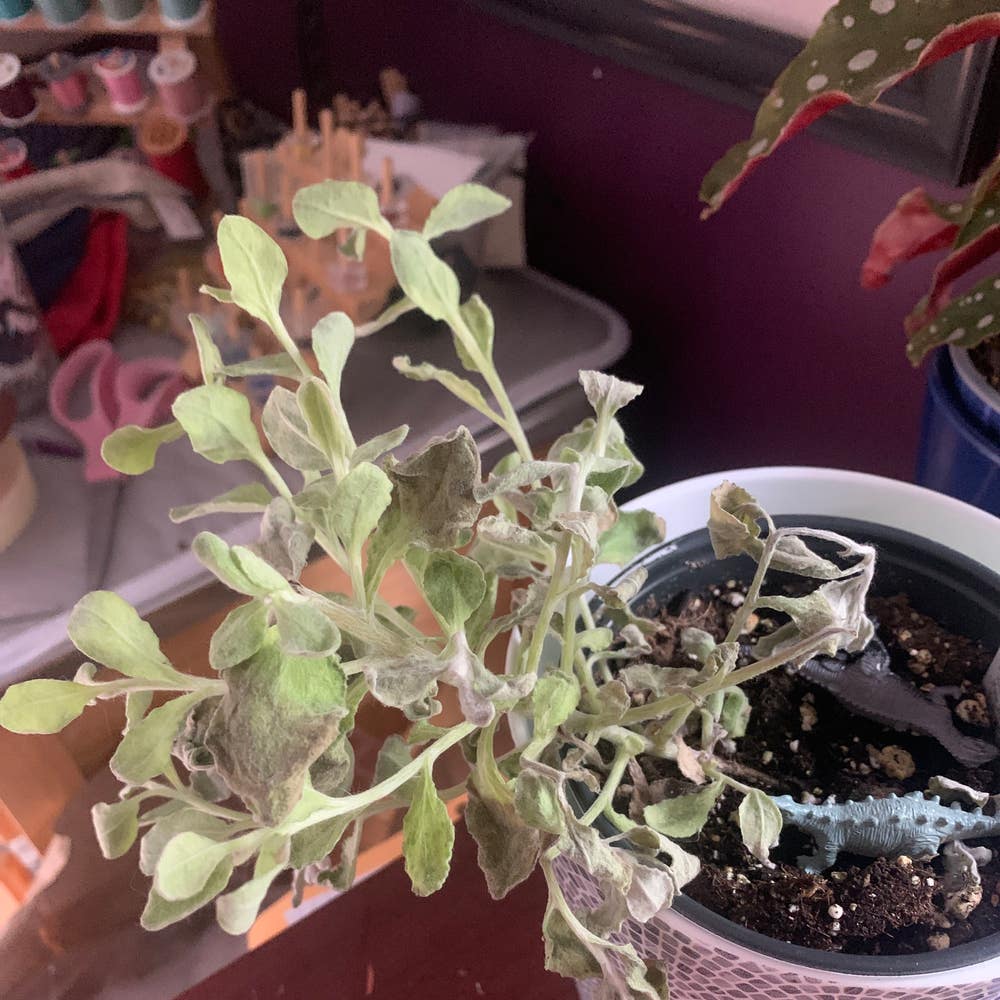
Keep an eye out for yellowing leaves, which often indicate a nitrogen deficiency. If you notice poor flower production, it may signal a lack of phosphorus.
Solutions for Nutritional Issues 💪
To combat these deficiencies, use a balanced fertilizer with the appropriate NPK ratios during the growing season. This will help ensure your Silver Bracts receive the nutrients they need to flourish.
Understanding these nutritional needs is vital for promoting healthy blooms. With the right care, your plants can thrive and produce stunning flowers.
Next, let’s explore effective pruning techniques that can further enhance flowering potential.
Pruning Techniques for Optimal Flowering
🌼 Best Practices for Pruning to Encourage Blooms
Pruning is a crucial step in ensuring your Silver Bracts thrive and bloom beautifully. The best time to prune is in early spring, just before new growth begins, allowing the plant to focus its energy on producing vibrant flowers.
When pruning, focus on removing dead or damaged stems and spent flowers. This not only promotes new growth but also helps the plant redirect its resources to healthier parts, enhancing overall bloom production.
⏰ Timing of Pruning for Optimal Flowering
Seasonal timing is key when it comes to pruning. If you prune too late in the season, you risk cutting off potential blooms that could have flourished.
To maintain shape and encourage flowering, aim to prune every 1-2 years. This schedule helps keep your Silver Bracts healthy and ensures they continue to produce stunning flowers year after year.
By following these pruning techniques, you can significantly improve the flowering potential of your Silver Bracts. Next, let’s explore common flowering problems and how to address them effectively.
Common Flowering Problems
🌼 Failure to Bloom: Causes and Solutions
When silver bracts refuse to bloom, it can be frustrating. Common culprits include inadequate light, poor nutrition, or improper pruning.
To tackle these issues, start by assessing light exposure. Ensure your plants receive enough sunlight, and adjust fertilization and pruning techniques as needed.
🌸 Premature Flower Drop: Identification and Remedies
Have you noticed flowers dropping before they fully bloom? This is known as bud drop, and it can be a sign of environmental stress, nutrient deficiencies, or pest infestations.
To remedy this, focus on stabilizing environmental conditions. Regularly check for pests, as they can wreak havoc on your blooms.
🌺 Abnormal Flower Development: Potential Issues and Fixes
Deformed flowers or inconsistent blooming patterns can be alarming. These symptoms often indicate nutritional imbalances or environmental stress.
To fix this, adjust your nutrient intake and keep a close eye on environmental conditions. Monitoring these factors can lead to healthier, more vibrant blooms.
By addressing these common flowering problems, you can help your silver bracts thrive and produce stunning flowers. Next, let’s explore pest and disease management to further protect your plants.
Pest and Disease Management
Common Pests Affecting Flowering 🐞
Silver Bracts can be vulnerable to several pests that disrupt their flowering.
Aphids are notorious for causing bud drop and stunted growth. These tiny insects suck the sap from the plant, weakening it and affecting bloom production.
Spider mites are another threat, leading to leaf discoloration and reduced flowering. They thrive in dry conditions, making it essential to monitor humidity levels.
To combat these pests, consider using insecticidal soap or introducing beneficial insects like ladybugs. These methods can effectively manage pest populations without harming your plants.
Diseases That Can Hinder Bloom Production 🦠
Fungal infections can wreak havoc on your Silver Bracts, causing wilting and flower drop. These diseases often thrive in damp conditions, making prevention crucial.
To keep your plants healthy, ensure proper air circulation around them. Avoiding overhead watering can also help reduce the risk of fungal growth.
By staying vigilant against pests and diseases, you can promote vibrant blooms and a thriving garden. Next, let’s explore common flowering problems and how to address them effectively.
⚠️ Safety First
This content is for general information and may contain errors, omissions, or outdated details. It is not medical, veterinary advice, or an endorsement of therapeutic claims.
Always consult a qualified healthcare professional before using any plant as food, medicine, or supplement.
Never eat any plant (or feed one to pets) without confirming its identity with at least two trusted sources.
If you suspect poisoning, call Poison Control (800) 222-1222, the Pet Poison Helpline (800) 213-6680, or your local emergency service immediately.
Spotted an error? Please report it here.
Unlock vibrant blooms for your Silver Bracts 🌸 by using Greg's tailored care reminders and expert tips to master their light, nutrients, and pruning needs!