🌼 Silver Bracts Is Not Considered a Weed
Helichrysum bracteatum
By the Greg Editorial Team
Sep 28, 2024•5 min read
This article was created with the help of AI so we can cover more plants for you. May contain errors. See one? Report it here.
- 🌱 Silver Bracts are non-invasive, enhancing biodiversity without aggressive spreading.
- 🐝 They attract pollinators, supporting local wildlife and promoting ecological balance.
- 🌿 Low-maintenance and adaptable, Silver Bracts thrive in various light and soil conditions.
Plant Classification
Definition of Invasive Species 🌱
Invasive species are plants that exhibit certain characteristics, making them problematic in their new environments. They typically show rapid growth and spread, displacing native species and negatively impacting local ecosystems.
These plants can dominate landscapes, outcompeting local flora for resources. This disruption can lead to a decline in biodiversity, affecting everything from soil health to wildlife habitats.
Why Silver Bracts is Not Invasive 🌿
Silver Bracts stands apart from invasive species due to its moderate growth rate. It does not aggressively spread, allowing it to coexist peacefully with other plants.
Additionally, its natural limits to growth prevent it from becoming a nuisance. Rather than outcompeting native plants, Silver Bracts contributes positively to local ecosystems, enhancing biodiversity without overwhelming its surroundings.
This unique balance makes it a valuable addition to gardens and landscapes, promoting a healthy environment.
Growth Habits
Typical Growth Patterns in Gardens 🌱
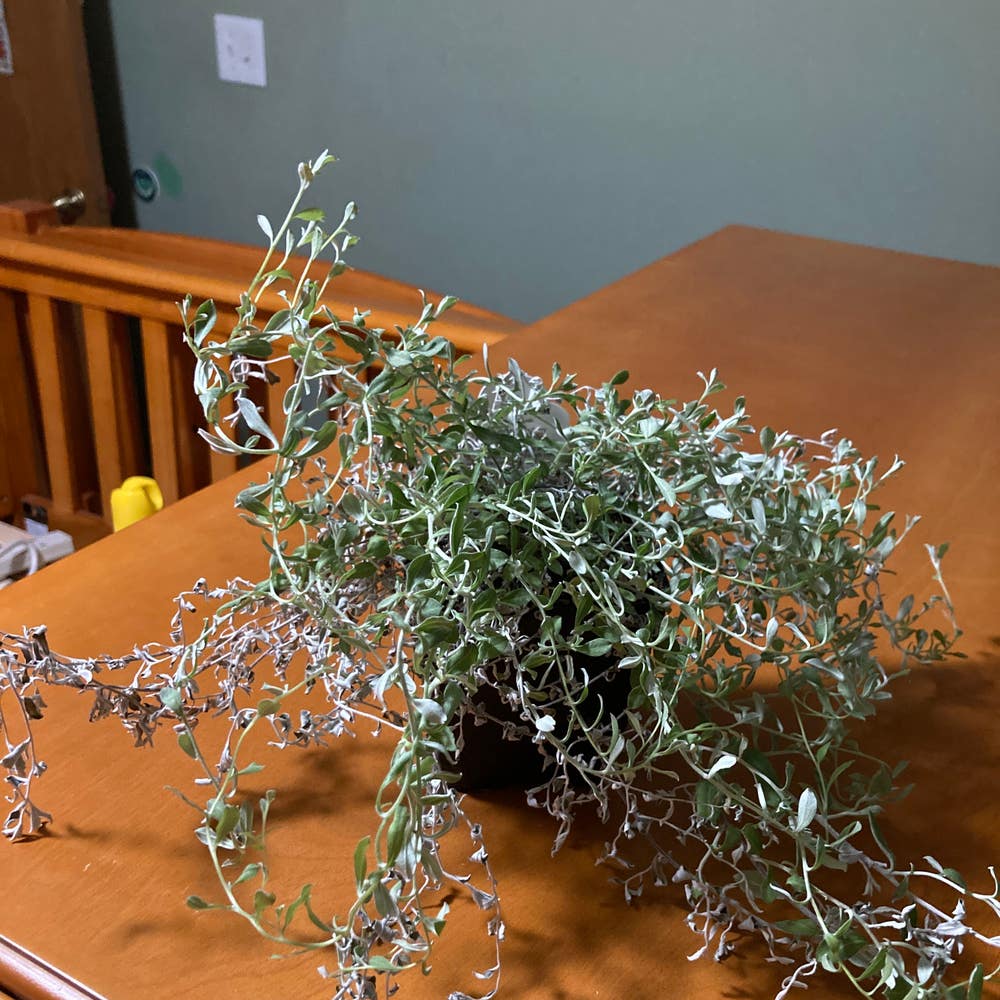
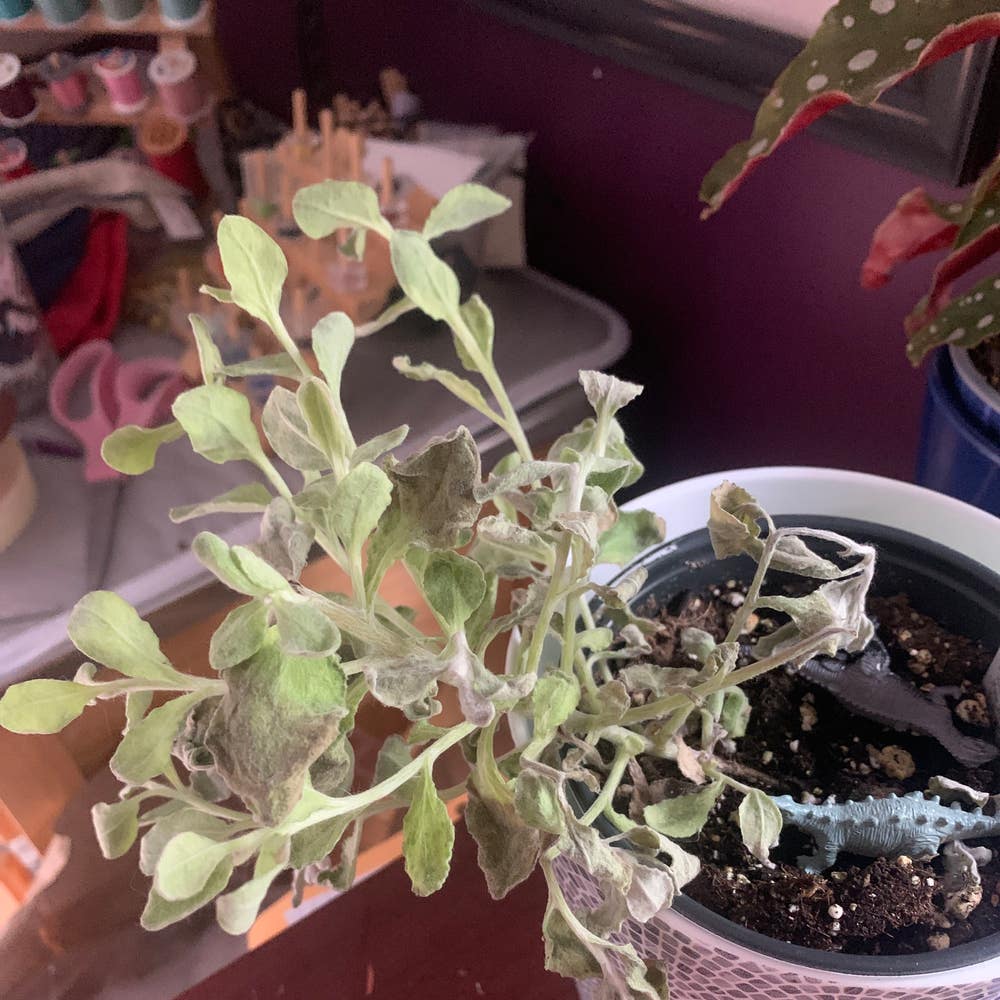
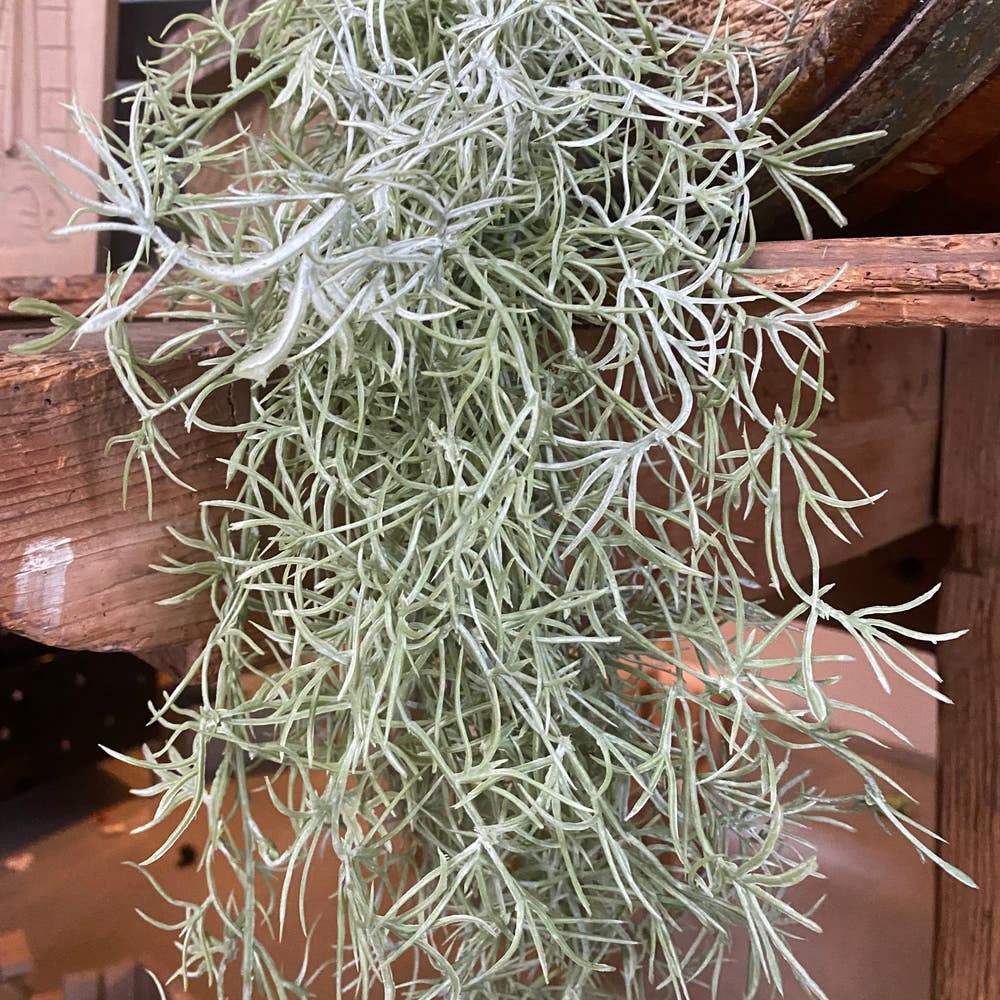
Silver Bracts exhibit a charming clumping habit, showcasing their striking silvery foliage. Their bract-like flowers are not just visually appealing; they also attract a variety of pollinators, enhancing the garden's ecosystem.
During the colder months, Silver Bracts enter a dormant phase, conserving energy for the vibrant growth that bursts forth in spring and summer. This seasonal behavior makes them a dynamic addition to any garden.
Natural Limits to Growth and Spread Potential 🌿
These plants thrive best in well-drained soils, which helps prevent root rot and promotes healthy growth. They are adaptable to various light conditions, flourishing in both full sun and partial shade.
Silver Bracts require minimal intervention to maintain their desired size, making them a low-maintenance choice for gardeners. This natural growth control allows them to coexist peacefully with other plants without overwhelming them.
Incorporating Silver Bracts into your garden not only adds beauty but also supports local wildlife. Their growth habits and natural limits make them a perfect fit for sustainable gardening practices.
As we explore their ecological role next, you'll see how these plants contribute positively to the environment.
Ecological Role
🐝 Benefits to Local Wildlife
Silver Bracts play a vital role in supporting local wildlife. They attract beneficial pollinators like bees and butterflies, which are essential for a healthy ecosystem.
These plants also provide habitat for various local fauna. Their structure offers shelter and food sources, creating a welcoming environment for insects and small animals.
🌱 Positive Interactions with Other Plants
Incorporating Silver Bracts into your garden can enhance biodiversity through companion planting. This practice fosters resilience in garden ecosystems, allowing different species to thrive together.
Moreover, Silver Bracts have a non-competitive nature. They coexist harmoniously with native plants, enriching the garden without overshadowing other species.
As you consider adding Silver Bracts to your garden, remember their ecological benefits. They not only beautify your space but also contribute positively to the local ecosystem, making your garden a haven for wildlife.
This understanding sets the stage for effective garden management strategies, ensuring that your Silver Bracts flourish while supporting the surrounding environment.
Garden Management
Incorporating Silver Bracts into Garden Designs 🌿
Silver Bracts can elevate your garden's aesthetic with their striking silvery foliage. Consider using them in borders, xeriscaping, or as focal points to create visual interest.
Pairing Silver Bracts with drought-resistant or pollinator-friendly species enhances both beauty and biodiversity. This combination not only attracts beneficial insects but also supports a thriving ecosystem.
Controlling Growth for Aesthetic Purposes ✂️
To maintain the desired shape and size of Silver Bracts, regular pruning is essential. This simple technique keeps your garden looking tidy and encourages healthy growth.
Monitoring their spread annually is also crucial. By assessing growth, you can prevent overcrowding and ensure that your garden remains balanced and inviting.
Incorporating these practices will help you enjoy the beauty of Silver Bracts while keeping your garden in check. Next, let’s explore the ecological role of these plants and their benefits to local wildlife.
Comparison to Other Plants
🌱 Similar Non-Invasive Plants
When considering drought-resistant perennials, several plants share growth habits with Silver Bracts. Examples include Lavender, Echinacea, and Sedum.
These plants not only thrive in similar conditions but also offer comparable benefits. They typically feature resilient foliage, vibrant flowers, and attract beneficial pollinators, enhancing the garden's ecological balance.
✨ Unique Qualities of Silver Bracts
Silver Bracts stand out with their distinctive silvery foliage, adding a unique aesthetic to any garden. This striking appearance makes them a favorite for various landscaping styles.
Additionally, their drought resistance makes them ideal for sustainable gardening practices. By choosing Silver Bracts, gardeners can reduce water usage while still enjoying a vibrant and thriving garden.
Incorporating these plants into your garden not only beautifies the space but also supports local ecosystems. As we explore garden management strategies next, consider how these qualities can enhance your gardening experience.
Legal and Environmental Considerations
📜 Relevant Classifications and Guidelines
Before planting Silver Bracts, it's essential to check local regulations. Some areas may have specific guidelines regarding non-invasive plants, ensuring they fit well within the ecosystem.
Understanding environmental impact assessments can also provide insight into Silver Bracts' role in local ecosystems. This knowledge helps gardeners make informed decisions that benefit both their gardens and the environment.
🌱 Role in Sustainable Gardening Practices
Silver Bracts are drought-resistant, making them a fantastic choice for sustainable gardening. By incorporating these plants, you can significantly reduce water usage in your garden.
Moreover, Silver Bracts enhance biodiversity. They contribute positively to local wildlife and plant communities, creating a thriving ecosystem that supports various species.
Incorporating Silver Bracts into your garden not only beautifies your space but also aligns with eco-friendly practices. As we move forward, let’s explore how to effectively manage these plants for optimal growth and aesthetic appeal.
⚠️ Safety First
This content is for general information and may contain errors, omissions, or outdated details. It is not medical, veterinary advice, or an endorsement of therapeutic claims.
Always consult a qualified healthcare professional before using any plant as food, medicine, or supplement.
Never eat any plant (or feed one to pets) without confirming its identity with at least two trusted sources.
If you suspect poisoning, call Poison Control (800) 222-1222, the Pet Poison Helpline (800) 213-6680, or your local emergency service immediately.
Spotted an error? Please report it here.
Transform your garden with Silver Bracts 🌱 that enhance beauty and biodiversity, and let Greg guide you with tailored care tips for thriving plants in your unique space!