✨ Best Silver Bracts Varieties
Helichrysum bracteatum
By the Greg Editorial Team
Sep 28, 2024•6 min read
This article was created with the help of AI so we can cover more plants for you. May contain errors. See one? Report it here.
- 🌼 Silver Bracts enhance gardens with unique colors and practical benefits.
- 🌱 Cultivars vary in size and adaptability, perfect for any garden space.
- 🌿 Hybrid varieties offer resilience and vibrant aesthetics, ideal for urban gardening.
Popular Cultivars
🌟 Description of Top Cultivars
When it comes to Silver Bracts, certain cultivars stand out for their beauty and versatility. These sought-after varieties not only enhance gardens but also serve various practical purposes.
Cultivar A: Unique Traits and Uses
Cultivar A is renowned for its striking silver bracts that shimmer in the sunlight. This cultivar thrives in well-drained soil and is often used in landscaping for its eye-catching appearance.
Cultivar B: Unique Traits and Uses
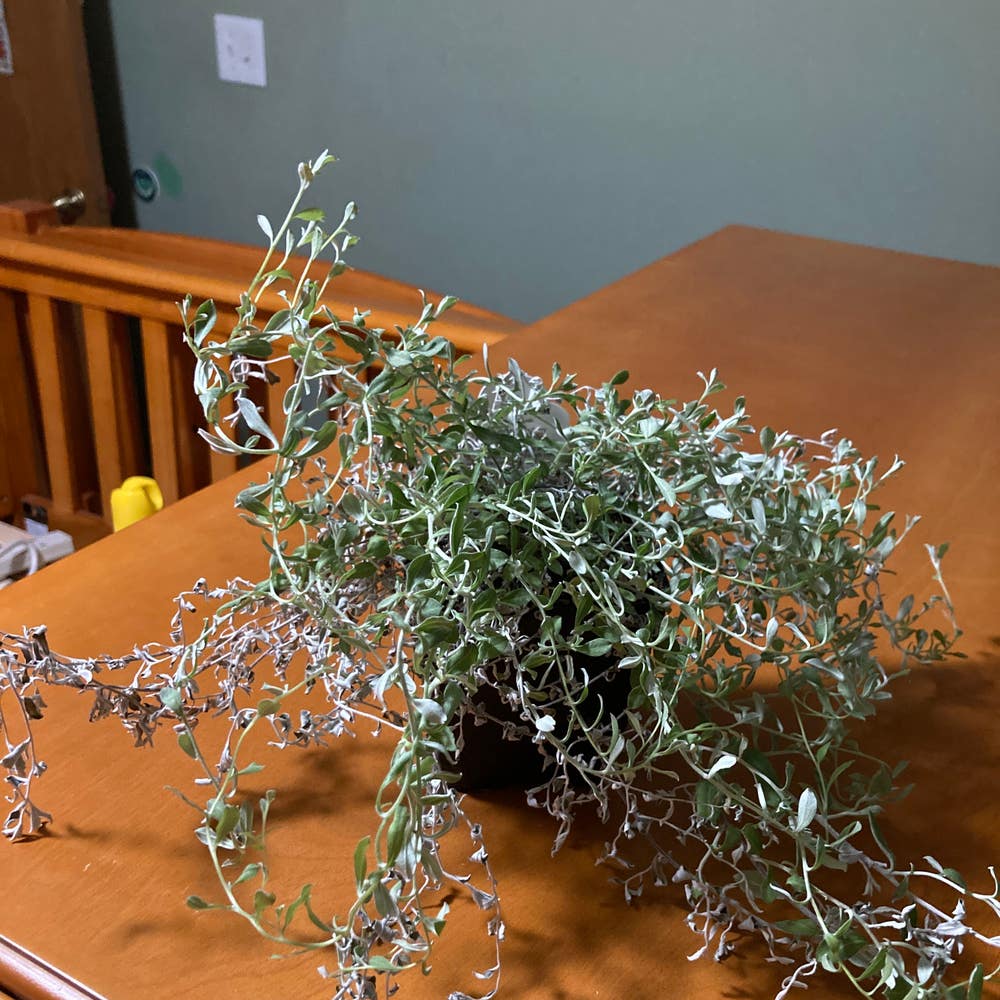
Cultivar B offers a more compact growth habit, making it ideal for smaller spaces. Its vibrant foliage adds a splash of color, and it’s frequently chosen for container gardening.
Cultivar C: Unique Traits and Uses
Cultivar C is celebrated for its resilience and adaptability. This variety can withstand harsher conditions, making it a favorite among gardeners looking for low-maintenance options.
🌈 Unique Characteristics
Each cultivar possesses distinctive features that set them apart. For instance, Cultivar A has a more upright growth habit, while Cultivar B tends to spread out, creating a lush ground cover.
Additionally, these cultivars have unique adaptations that allow them to thrive in various environments. Cultivar C, for example, is particularly drought-resistant, making it perfect for arid climates.
🎨 Color Variations
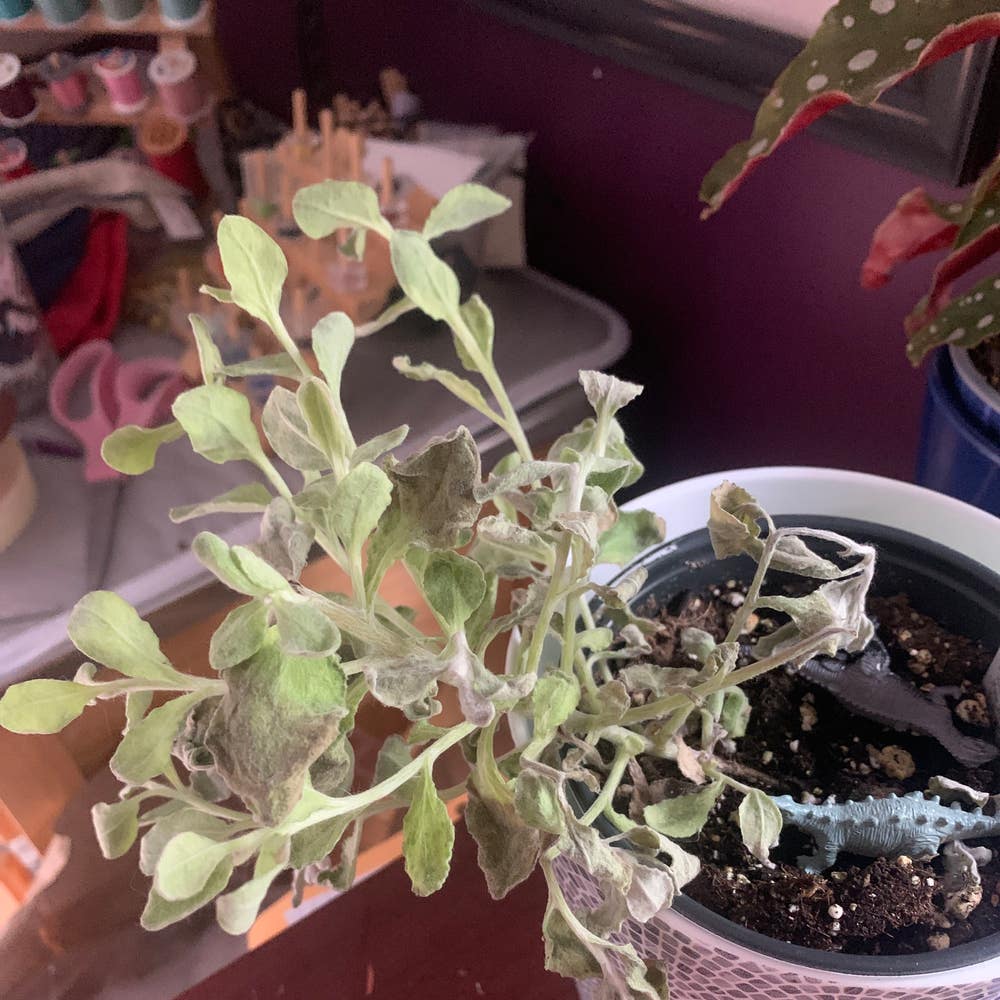
The color range in Silver Bracts is truly impressive, with shades that can transform any garden. From silvery greens to deep purples, these colors can create stunning visual contrasts.
Cultivar A: Color Profile
Cultivar A showcases a beautiful silvery hue that catches the light beautifully. Its bracts can appear almost metallic, adding a unique flair to any landscape.
Cultivar B: Color Profile
Cultivar B features vibrant green foliage with hints of gold, creating a warm, inviting look. This color variation makes it a popular choice for brightening up shaded areas.
Cultivar C: Color Profile
Cultivar C is known for its deep burgundy bracts, which provide a dramatic contrast against lighter plants. This striking color makes it a standout in any garden setting.
As you explore the world of Silver Bracts, consider how these popular cultivars can enhance your garden's aesthetic and functionality. Next, we'll delve into hybrid varieties, showcasing the exciting possibilities they bring to horticulture.
Hybrid Varieties
🌱 Explanation of Hybrids
Hybridization in Silver Bracts refers to the intentional crossbreeding of different cultivars to create new varieties. This process is significant as it enhances traits like resilience, color, and growth patterns, making these plants more appealing to gardeners.
The benefits of hybrid varieties in horticulture are substantial. They often exhibit improved disease resistance, increased vigor, and unique aesthetic qualities that can elevate any garden space.
🌼 Notable Hybrid Cultivars
Hybrid cultivars have gained popularity for their distinctive characteristics and advantages. Here are a few noteworthy examples:
Hybrid Cultivar A
This cultivar is known for its vibrant bracts and robust growth. Its adaptability to various soil types makes it a favorite among gardeners looking for low-maintenance options.
Hybrid Cultivar B
With a unique color palette, this hybrid stands out in any landscape. Its compact size and drought tolerance make it ideal for urban gardens or smaller spaces.
Hybrid Cultivar C
This cultivar is celebrated for its long-lasting blooms and striking foliage. Gardeners appreciate its ability to thrive in challenging conditions, making it a reliable choice for diverse environments.
Hybrid varieties not only bring beauty but also resilience to gardens, making them a smart choice for both novice and experienced gardeners. As we explore the next section, we’ll delve into the rare varieties that offer unique traits and cultivation challenges.
Rare Varieties
🌟 Characteristics That Make Them Unique
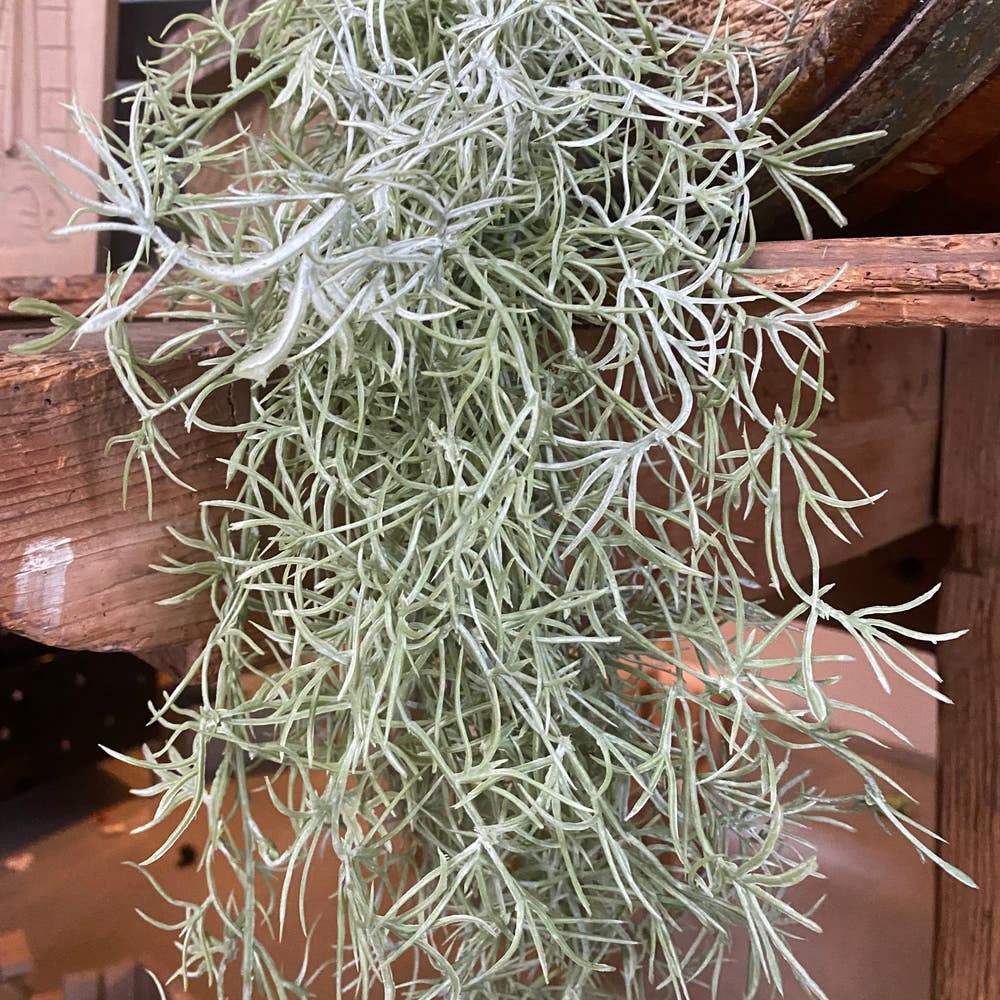
Rare Silver Bracts varieties stand out due to their distinctive traits. These cultivars often exhibit unique leaf shapes, unusual bract colors, and specific growth habits that set them apart from more common types.
For instance, some rare varieties may have strikingly patterned foliage or bracts with intricate textures. These features not only enhance their aesthetic appeal but also contribute to their desirability among collectors and enthusiasts.
🧗 Availability and Cultivation Challenges
The rarity of these cultivars often makes them hard to find. Limited availability can be attributed to factors like specific growing conditions or lower propagation rates.
Cultivating rare Silver Bracts can present challenges. Growers may face difficulties in replicating the ideal environment, which can include precise soil types and climate conditions. These factors can deter even seasoned gardeners from attempting to grow these unique varieties.
In summary, while rare Silver Bracts offer exceptional beauty and uniqueness, they require dedicated care and attention. Understanding their specific needs is crucial for successful cultivation, paving the way for a rewarding gardening experience.
Next, we’ll explore the size differences among Silver Bracts and how these variations can impact your garden design.
Size Differences
Comparison of Sizes 🌱
Silver Bracts cultivars come in a variety of sizes, making them versatile for different gardening needs. You can find compact forms that fit snugly in smaller spaces, while sprawling varieties can create stunning ground cover.
Compact cultivars are perfect for container gardening or small urban gardens. In contrast, sprawling forms can fill larger areas, providing a lush, vibrant look.
Impact on Garden Design 🎨
The size of Silver Bracts significantly influences landscape design choices. Smaller cultivars can be used as focal points or border plants, while larger varieties can serve as dramatic backdrops or ground cover.
When incorporating different sizes into your garden layout, consider mixing compact and sprawling forms for visual interest. This combination can create layers and depth, enhancing the overall aesthetic of your garden.
Special Care Requirements
Specific Care Needs 🌱
Caring for Silver Bracts cultivars requires attention to their unique needs. While many share similar requirements, slight adjustments can make a big difference in their health and vibrancy.
For instance, Cultivar A thrives in well-drained soil and benefits from regular pruning to maintain its shape. In contrast, Cultivar B prefers a slightly more humid environment, necessitating more frequent watering during dry spells.
Environmental Conditions 🌤️
Understanding the right environmental conditions is crucial for successful cultivation. Silver Bracts generally prefer well-draining soil, rich in organic matter, to prevent root rot.
When it comes to climate, these plants flourish in moderate temperatures. Aim for a location that receives partial sunlight, as too much direct sun can scorch their delicate leaves.
To create optimal growing conditions, consider the following:
- Soil Type: Use a mix of loamy and sandy soil for better drainage.
- Drainage: Ensure pots or garden beds have adequate drainage holes.
- Climate Preferences: Protect from extreme cold or heat, adjusting care as seasons change.
By tailoring care and environmental conditions to each cultivar, you can foster a thriving garden filled with stunning Silver Bracts. This attention to detail not only enhances their beauty but also enriches your gardening experience.
Next, we’ll explore the fascinating world of hybrid varieties and their unique advantages.
⚠️ Safety First
This content is for general information and may contain errors, omissions, or outdated details. It is not medical, veterinary advice, or an endorsement of therapeutic claims.
Always consult a qualified healthcare professional before using any plant as food, medicine, or supplement.
Never eat any plant (or feed one to pets) without confirming its identity with at least two trusted sources.
If you suspect poisoning, call Poison Control (800) 222-1222, the Pet Poison Helpline (800) 213-6680, or your local emergency service immediately.
Spotted an error? Please report it here.
Transform your garden with stunning Silver Bracts and let Greg provide personalized care tips 🌱 to help your plants flourish beautifully!