🌞 5 Steps to a Healthy Outdoor Silver Bracts
Helichrysum bracteatum
By the Greg Editorial Team
Sep 28, 2024•7 min read
This article was created with the help of AI so we can cover more plants for you. May contain errors. See one? Report it here.
- ☀️ Silver Bracts need 6-8 hours of sunlight for vibrant growth and health.
- 💧 Moderate watering is crucial; let soil dry to prevent root rot.
- 🌱 Well-drained soil and seasonal care ensure thriving Silver Bracts in various climates.
Sunlight Needs
Ideal Sunlight Exposure 🌞
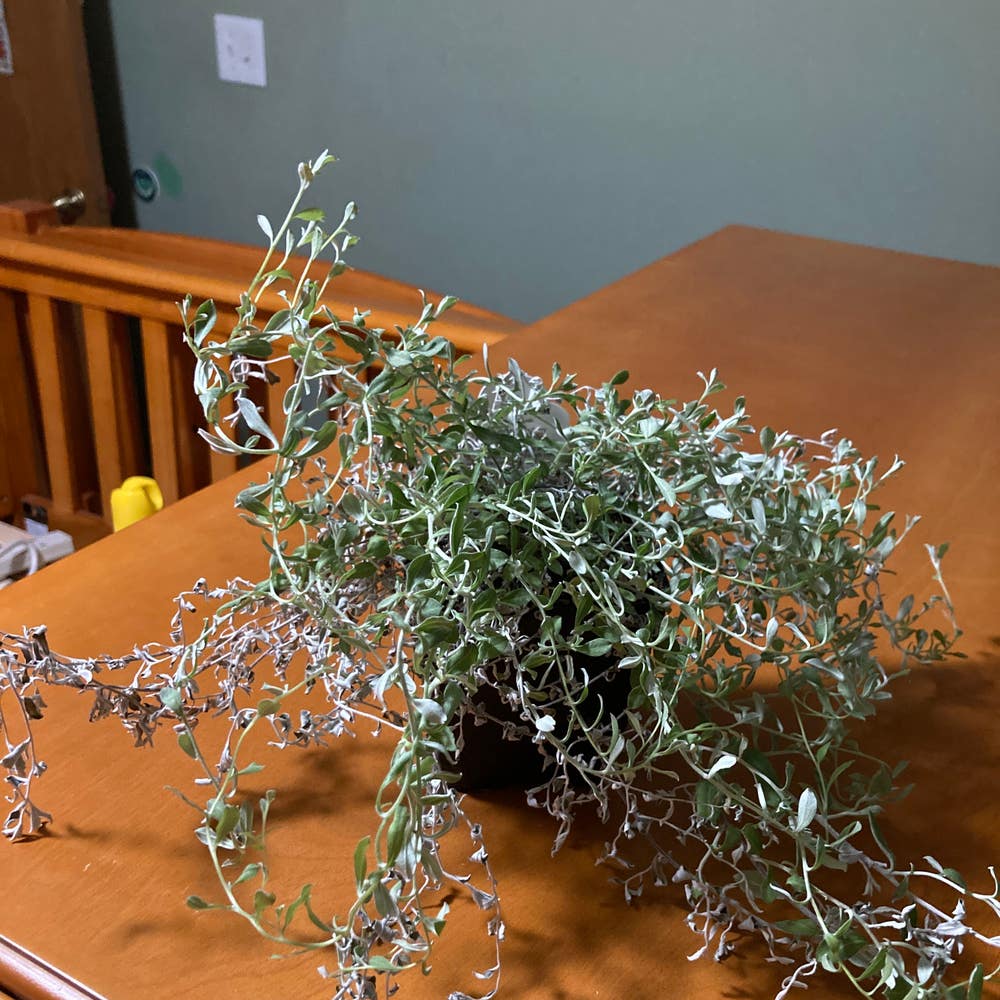
Silver Bracts thrive in full sun, requiring at least 6-8 hours of direct sunlight daily. This exposure not only enhances their striking silver foliage but also promotes robust growth.
Signs of Insufficient Sunlight 🌑
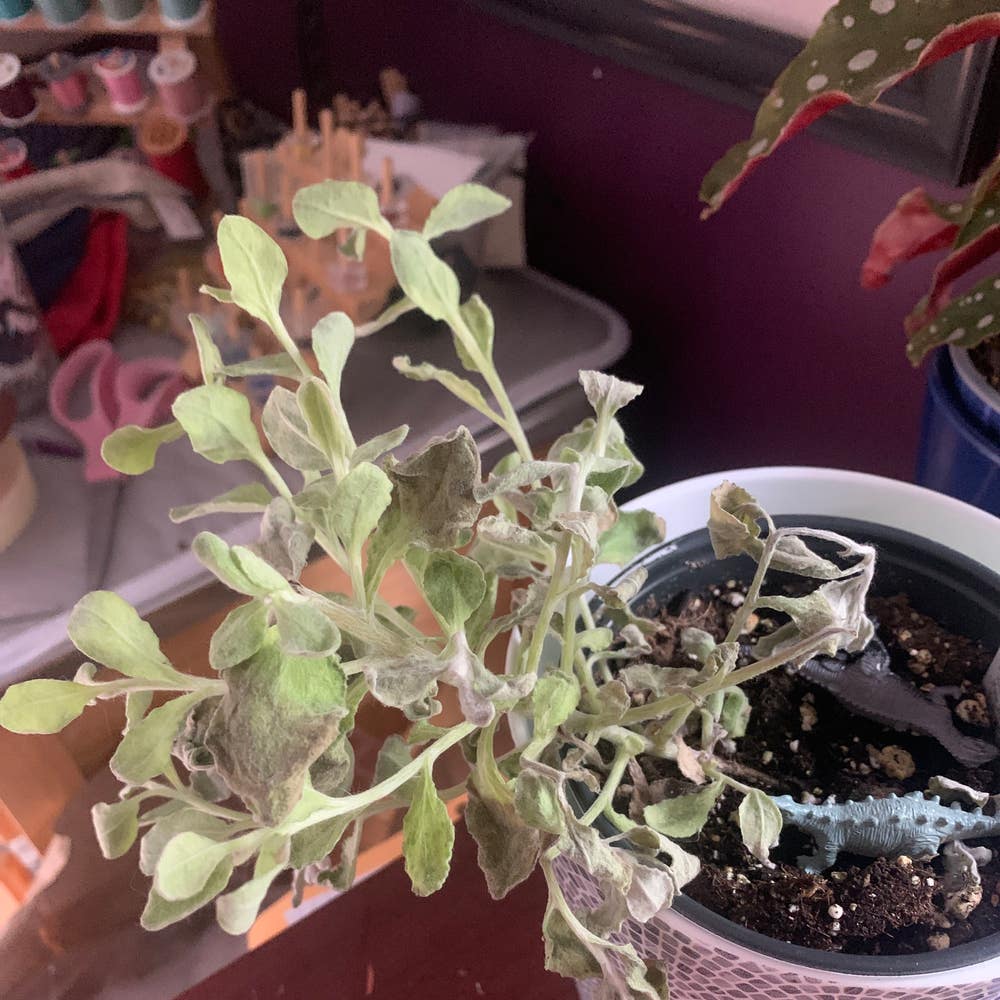
If your Silver Bracts exhibit leggy growth, pale leaves, or reduced vigor, they may not be getting enough sunlight. To remedy this, consider relocating them to a sunnier spot or trimming nearby plants to reduce shade.
Quick Tips for Sunlight Success 💡
- Monitor Sunlight: Regularly check how much sun your plants receive throughout the day.
- Adjust as Needed: Don’t hesitate to move your plants if they seem unhappy.
By ensuring your Silver Bracts receive adequate sunlight, you set the stage for vibrant, healthy plants. Next, let’s explore their watering requirements to keep them thriving.
Watering Requirements
Optimal Watering Schedule 🌧️
Watering your silver bracts requires a balanced approach. Aim to water moderately, allowing the top inch of soil to dry out between waterings.
Overwatering can be detrimental, leading to root rot. Always ensure proper drainage to keep your plants thriving.
Signs of Water Stress 🚨
Recognizing water stress is crucial for maintaining healthy plants. Underwatering often manifests as wilting leaves and dry soil.
Conversely, overwatering can cause yellowing leaves and mushy roots. Keep an eye on these signs to adjust your watering habits accordingly.
Watering Techniques 💧
Implementing the right watering techniques can make a significant difference. Water at the base of the plant to avoid wetting the foliage.
This practice not only conserves moisture but also helps prevent fungal issues. By following these best practices, you’ll set your silver bracts up for success.
With a solid understanding of watering requirements, let’s explore the ideal soil preferences for your plants.
Soil Preferences
Ideal Soil Composition 🌱
For healthy outdoor silver bracts, well-drained soil is essential. Sandy or loamy soil works best, providing the right balance of drainage and moisture retention.
The pH level should be slightly acidic to neutral, ideally between 6.0 and 7.0. This range supports optimal nutrient availability for your plants.
Soil Preparation Tips 🛠️
To enhance soil quality, incorporate organic matter like compost. This improves both drainage and fertility, creating a thriving environment for your silver bracts.
Testing your soil is crucial. Use a soil test kit to check pH and nutrient levels, ensuring your plants have everything they need to flourish.
With the right soil conditions, your silver bracts will thrive, setting the stage for vibrant growth and stunning foliage. Next, let’s explore the best planting options for these beautiful plants.
Planting Options
🌱 Container vs. Ground Planting
When deciding between container and ground planting for your silver bracts, consider the unique benefits and drawbacks of each method.
Benefits of Container Planting
Container planting offers remarkable mobility. You can easily move your plants to ensure they receive optimal sunlight or protection from harsh weather.
Additionally, it allows for soil control. You can customize the soil mix to meet specific needs, ensuring your plants thrive.
Drawbacks of Container Planting
However, container planting comes with limitations. The limited root space can restrict growth potential, making it challenging for your plants to reach their full size.
Moreover, containers tend to dry out faster, leading to an increased watering frequency. This can be a hassle, especially during hot months.
Benefits of Ground Planting
On the other hand, ground planting provides more space for root development. This encourages larger plants with robust growth.
Ground soil also typically offers natural moisture retention. This means less frequent watering, which can be a relief for busy gardeners.
Drawbacks of Ground Planting
Yet, ground planting has its challenges. You have less control over soil conditions, which may require amendments to optimize growth.
Additionally, plants in the ground are more vulnerable to pests and diseases. They face greater exposure to outdoor elements, which can be a concern.
In summary, both planting options have their pros and cons. Your choice will depend on your gardening style, available space, and the specific needs of your silver bracts.
Next, let’s explore effective protection strategies to keep your plants healthy and thriving.
Protection Strategies
Weather Protection 🌤️
Extreme weather can be tough on your silver bracts. During scorching heat, using shade cloth or mulch can shield your plants from sunburn and help retain moisture.
For those unexpected cold snaps, frost protection is essential. Cover your plants with frost cloth to keep them safe from freezing temperatures.
Common Outdoor Pests 🐜
Aphids
Aphids can be a nuisance, showing up as tiny pests that cause curling leaves and sticky residue. To control these little invaders, insecticidal soap or neem oil works wonders.
Spider Mites
Spider mites are another common threat, identifiable by fine webbing and stippled leaves. Increasing humidity around your plants and using miticides can help keep these pests at bay.
Diseases to Watch For 🦠
Root Rot
Root rot is a serious issue, often indicated by wilting and yellowing leaves. To prevent this, ensure your plants have proper drainage and avoid overwatering.
Fungal Infections
Fungal infections can manifest as leaf spots or mold. Maintaining good air circulation and steering clear of overhead watering can help prevent these pesky problems.
By staying vigilant against weather extremes and pests, you can ensure your silver bracts thrive. Next, let’s explore how seasonal care can further enhance their health and growth.
Seasonal Care
🌱 Seasonal Changes and Their Impact
Spring is the perfect time to plant your silver bracts and give them a nutrient boost with fertilization. As the days grow longer and warmer, your plants will thrive with the right care.
In fall, it's time to prepare for winter. Reduce watering and apply mulch to protect the roots from the cold.
❄️ Winter Care
During winter, protect your plants with frost covers to shield them from harsh conditions. It's also essential to reduce watering frequency, as the plants enter a dormant phase.
Don't be alarmed if you notice leaves dropping; this is a normal sign of dormancy.
☀️ Summer Care
Summer brings heat, so be ready to increase your watering. Monitor soil moisture closely to ensure your silver bracts stay hydrated during those hot months.
Pest vigilance is crucial in summer. Regularly check for signs of outdoor pests to keep your plants healthy and thriving.
By understanding seasonal care, you can ensure your silver bracts flourish year-round. Next, let’s explore how climate considerations can further enhance your gardening success.
Climate Considerations
🌍 Best Climate Zones
Silver Bracts thrive best in USDA zones 9-11. These zones offer the warm, sunny conditions that these plants love.
🌱 Adaptability
While they can tolerate a variety of conditions, they truly flourish in bright, sunny environments. If you're in a cooler climate, consider container planting to easily move them for optimal sunlight and protection.
❄️ Cooler Climates
In cooler areas, mobility is key. Container planting allows you to shift your Silver Bracts to sunnier spots as needed, ensuring they get the light they crave.
☀️ Hotter Climates
For those in hotter regions, be vigilant about watering. Providing shade during peak sun hours can help prevent stress and keep your plants healthy.
Understanding your climate is crucial for the success of your Silver Bracts. With the right adjustments, you can create an ideal environment for these stunning plants to thrive.
Troubleshooting
Common Problems and Solutions 🌱
Leaf yellowing is a common issue with Silver Bracts. This often signals overwatering or nutrient deficiencies, so check your watering habits and consider a balanced fertilizer.
Wilting is another red flag. If your plants are drooping, assess both your watering routine and the soil drainage to ensure they’re not sitting in water.
Myth-Busting Misconceptions 🕵️♀️
A prevalent misconception is that Silver Bracts require constant moisture. In reality, these plants thrive with moderate watering and well-drained soil, making them easier to care for than you might think.
Understanding these common problems and debunking myths can significantly enhance your gardening experience. With the right approach, your Silver Bracts can flourish beautifully.
Next, let’s explore seasonal care to keep your plants thriving throughout the year.
⚠️ Safety First
This content is for general information and may contain errors, omissions, or outdated details. It is not medical, veterinary advice, or an endorsement of therapeutic claims.
Always consult a qualified healthcare professional before using any plant as food, medicine, or supplement.
Never eat any plant (or feed one to pets) without confirming its identity with at least two trusted sources.
If you suspect poisoning, call Poison Control (800) 222-1222, the Pet Poison Helpline (800) 213-6680, or your local emergency service immediately.
Spotted an error? Please report it here.
Grow thriving Silver Bracts 🌞 with these 5 steps, and let Greg guide you with tailored reminders for optimal sunlight and watering to keep your plants flourishing!