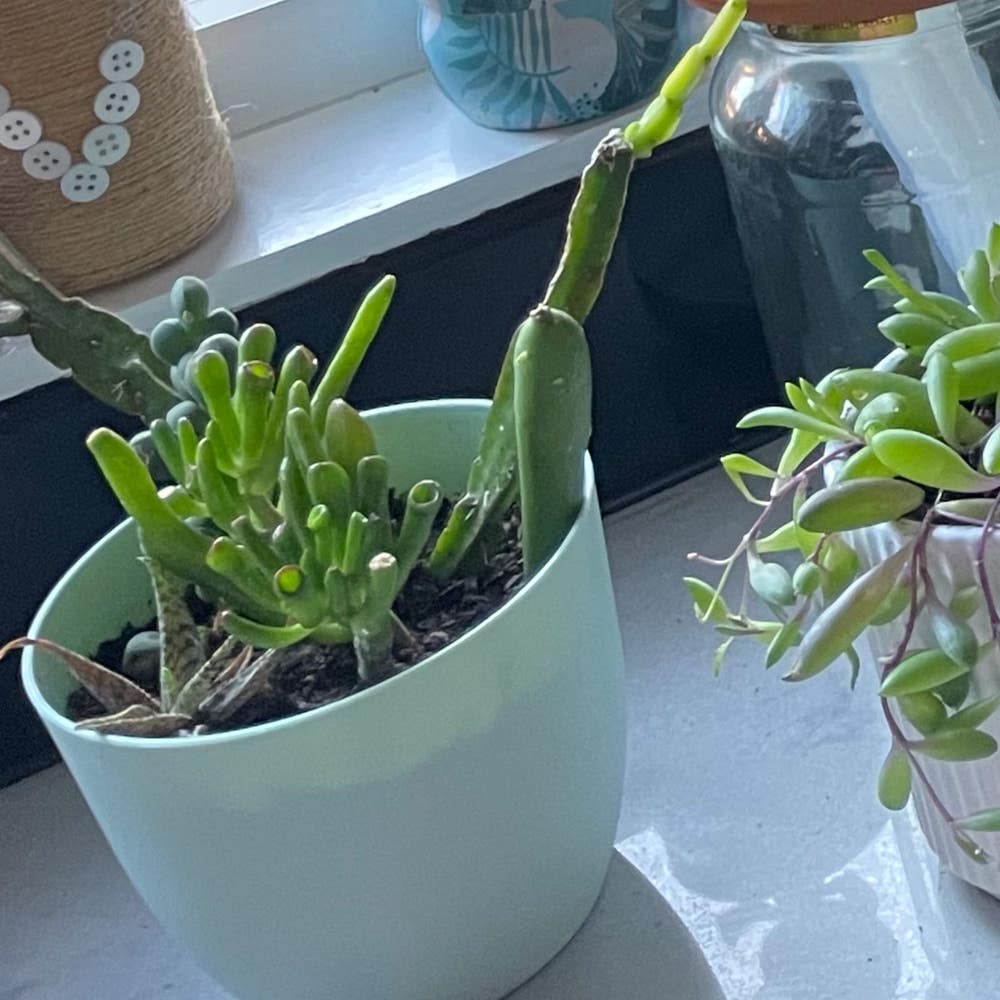
Propagating My Candle Plant: Step-by-Step Guide
Baculellum articulatum
By the Greg Editorial Team
Jun 18, 2024•5 min read
This article was created with the help of AI so we can cover more plants for you. May contain errors. See one? Report it here.
- Stem cuttings vs. division: Quick & easy or instant multiple plants.
- Use rooting hormone for cuttings, divide in spring for best results.
- Bright light, right moisture: Key to thriving new Candle Plants.
Choosing Your Propagation Adventure: Stem Cuttings or Division?
🌱 Picking the Right Method for You
In the world of Candle Plant propagation, you've got two contenders: stem cuttings and division. Stem cuttings are the express lane to plant duplication, ideal for the impatient gardener. They're quick, they're easy, and they have a high success rate if you play your cards right. Division, on the other hand, is like a strategic game of Jenga, perfect for tackling that overcrowded pot. It's a bit more labor-intensive but gives instant results with multiple plants from one.
🛠 Preparing for Propagation
Before you dive into the propagation pool, gear up. For stem cuttings, you'll need a sharp pair of shears or a knife—think Excalibur but for plants. Sterilize it to ward off any microscopic invaders. You'll also want some rooting hormone to give your cuttings a pep talk and some well-draining soil to call home.
For division, it's more about finesse than tools. You'll need a steady hand and a good eye to separate the plant without causing a horticultural horror show. A spade or knife may come in handy to help you along. After the split, each section will need its own pot filled with that same well-draining soil.
Get ready, set, and let's propagate!

The Art of Snipping: Propagating by Stem Cuttings
🌱 Making the Cut
To kick off your Candle Plant propagation, select stems that are the picture of health—lush, green, and firm. Grab your shears, sterilized for a clean start, and snip below a leaf node. Strip the bottom leaves to give your cutting a leg up, leaving the top ones to photosynthesize.
🌿 Rooting for Success
Rooting hormone is your cutting's best friend, encouraging roots to emerge stronger and faster. After dipping the cut end, nestle it into a well-draining succulent mix. Patience is key; keep the soil moist but not soggy, and wait for the magic to happen.

Doubling Down: Propagating by Division
🌱 Splitting Up Isn't Hard to Do
When your Candle Plant starts resembling a crowded elevator, it's time to give it some breathing room through division. Spring is the ideal season for this procedure, as plants are entering a phase of active growth.
- Ease it out of its pot to avoid a root tug-of-war.
- Gently tease apart the roots, as if unraveling a delicate necklace.
- Ensure each new plant has its fair share of leaves, stems, and vital roots.
- Aim for larger divisions; they recover from the separation anxiety more quickly.
🏡 Planting the Pieces
Now, let's get those plant pieces settled into their new homes.
- Choose pots that make the divisions feel snug, not squished.
- Plant them at the same depth they were growing at before to avoid the dreaded 'buried alive' scenario.
- Water them in to help ease the transition to their new abode.
- Keep them in a spot with bright, indirect light—think of it as a spa retreat for plants.
- Skip the fertilizer for now; let the roots find their footing without the chemical pep talk.
Remember, patience is key. Your plant divisions might throw a bit of a sulk before they start to grow. But with the right care, they'll soon be thriving and ready to join the rest of your plant collection—or become housewarming gifts for friends.

Caring for Your Propagated Plant Babies
💡 Creating the Perfect Environment
Bright, indirect light is your baby Candle Plants' bestie. A south- or west-facing windowsill? Jackpot. Keep an eye on the leaves; they're snitches when it comes to sun exposure. Humidity is like a warm hug for your plants, but don't turn their crib into a sauna. Consistent temperature without drafts is the golden rule—think steady, not stuffy.
🚫 Overcoming Propagation Pitfalls
Root rot is the boogeyman of propagation. Avoid overwatering like you'd avoid spoilers for your favorite show. If your plant babies are looking more "zombie apocalypse" than "blooming oasis," it might be a light issue. Too much sun and they'll burn out; too little and they'll mope. Damping off? It's a fungal party crasher. Keep things clean and don't let the soil stay wet. Remember, it's about giving your Candle Plants the right vibes to flourish.
Watching Roots Take Hold: What to Expect
🌱 The Waiting Game
Expect root development to take anywhere from a few weeks to a couple of months. It's like watching a pot of water boil, but with more soil and less heat. Shoot growth follows, signaling your plant's march towards independence. Keep the soil consistently moist and provide plenty of indirect sunlight. It's a balancing act—too much water and you're swimming in root rot territory, too little and you're in a drought.
🌿 Transitioning to Plant Parenthood
Once roots are established and shoots start to show, it's time to shift gears. Begin treating your Candle Plant like the mature specimen it's striving to become. This means less hand-holding and more letting nature take the reins. Gradually introduce it to the conditions of your other houseplants, but keep an eye out. If it starts throwing a tantrum (i.e., droopy leaves, stunted growth), it might need a bit more TLC.
⚠️ Safety First
This content is for general information and may contain errors, omissions, or outdated details. It is not medical, veterinary advice, or an endorsement of therapeutic claims.
Always consult a qualified healthcare professional before using any plant as food, medicine, or supplement.
Never eat any plant (or feed one to pets) without confirming its identity with at least two trusted sources.
If you suspect poisoning, call Poison Control (800) 222-1222, the Pet Poison Helpline (800) 213-6680, or your local emergency service immediately.
Spotted an error? Please report it here.
Embrace the joy of propagating your Candle Plant with ease, and count on Greg 🌱 to gently nudge you with care reminders that ensure your new plants thrive.