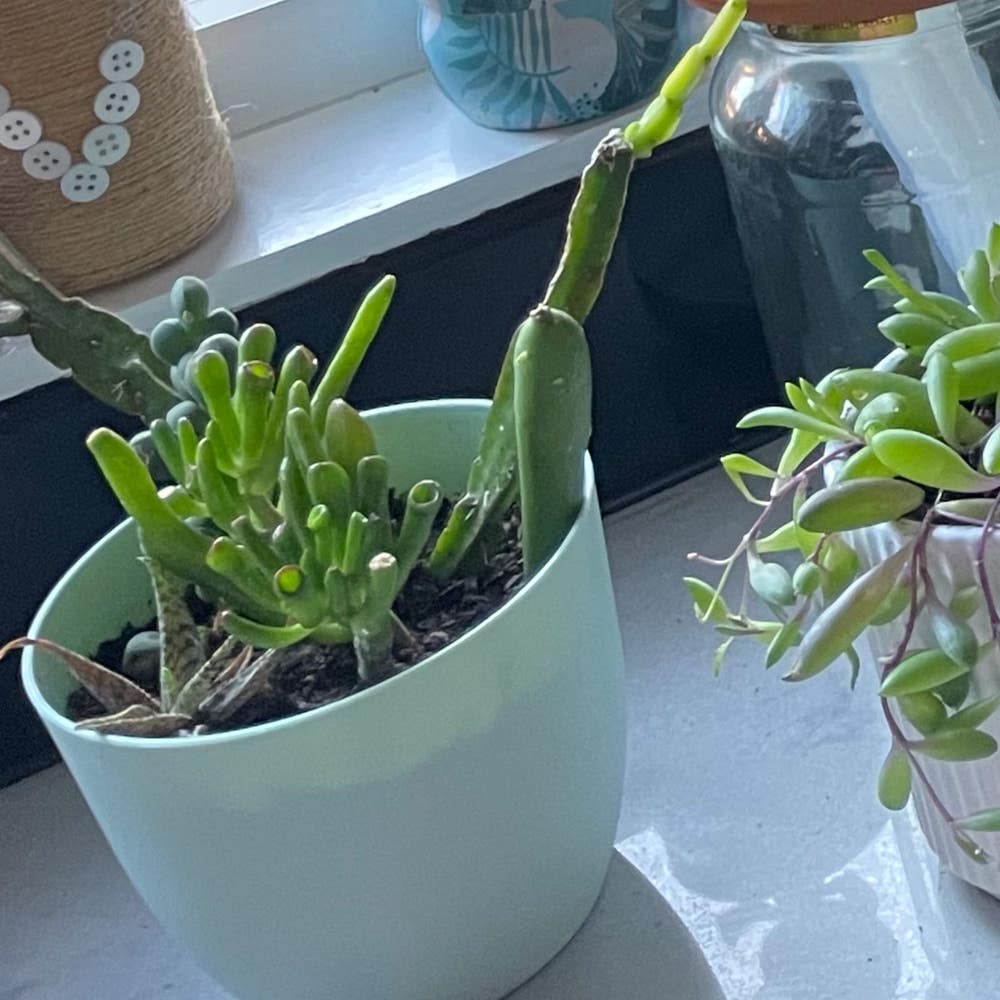
How Should Candle Plant Be Cut Back?
Baculellum articulatum
By the Greg Editorial Team
Jun 18, 2024•4 min read
This article was created with the help of AI so we can cover more plants for you. May contain errors. See one? Report it here.
- Spring & fall pruning aligns with Candle Plant's growth cycles.
- 🌿 Use sharp tools, cut at 45° for healthy pruning.
- Visualize shape, control size, and monitor regrowth post-prune.
Timing Your Trims: When to Prune Candle Plant
⏰ Seasonal Smarts: Picking the Perfect Pruning Period
Pruning your Candle Plant isn't about random snips; it's about timing. Spring and fall are your go-to seasons, aligning with the plant's natural zest for growth. These seasons are like the green light on a traffic signal for your shears, signaling the plant's readiness to bounce back with vigor. Pruning during dormancy? That's a no-go. It's the plant's time to chill, and you don't want to interrupt that.
🌱 Growth and Bloom Cycles: Syncing Your Shears with Nature
The Candle Plant's life is a cycle of growth and blooms, and your pruning should be a well-timed dance to this rhythm. Before the growth spurt in spring is ideal—it's like giving your plant a pep talk before the big game. And post-bloom? That's your cue to tidy up. It's not just about aesthetics; it's about setting the stage for the next season's performance. Keep an eye on the plant's cues and prune accordingly, ensuring it's always showtime for your Candle Plant.

The Art of the Snip: How to Prune Candle Plant
🌱 Identifying the Cut-Worthy: What to Prune
In the quest for Candle Plant perfection, knowing what to prune is half the battle. Scan for dead or damaged stems—they're the first to go. Next, eye up any overcrowded areas; these need thinning for better air flow and light exposure. Lastly, look out for leggy growth that detracts from the plant's aesthetics.
✂️ Technique Triumphs: Making the Right Cuts
Precision is key when pruning. Use clean, sharp tools and cut at a 45-degree angle to encourage water runoff and prevent disease. Always cut just above a leaf node or bud to promote healthy new growth. Remember, it's not a race—take your time to make thoughtful cuts.
🛠️ Tool Talk: Choosing and Caring for Your Pruning Gear
For the Candle Plant, bypass pruners or micro-tip snips are your best friends. Ensure they're sterilized before and after use to avoid spreading any plant pathogens. After pruning, a little TLC for your tools—like a quick oiling—will keep them in tip-top shape for the next pruning session.

Sculpting Beauty: Pruning for Aesthetic Purposes
🌱 Shaping the Silhouette: Controlling Plant Form
Pruning isn't just about plant health; it's about vision. Imagine you're the director of a botanical ballet, and your Candle Plant is the prima ballerina. To keep her performance graceful, you'll need to guide her growth. Visualize the ideal shape before you make the first cut. This is a deliberate dance with shears—each snip should accentuate the plant's natural lines and curves.
📏 Size Matters: Keeping Your Candle Plant in Check
Let's face it, sometimes plants can get a bit too big for their britches. When your Candle Plant starts encroaching on your space, it's time to intervene. Prune back overzealous growth to maintain a size that complements its surroundings. Remember, you're the boss here. Use sharp, clean tools to make precise cuts, and your Candle Plant will stay just the right size—like a well-tailored suit.

Post-Pruning Care: Ensuring a Speedy Recovery
🌱 The Healing Phase: What to Do After Pruning
After you've given your Candle Plant a trim, don't rush to water it. Like a patient recovering from surgery, the plant needs a moment to heal. Sanitize your tools with alcohol or a mild bleach solution to prevent disease spread. Place the plant in a spot with bright, indirect light and stable temperatures to ease its stress.
👀 Watchful Eyes: Monitoring Your Plant's Progress
Keep a close watch on your pruned plant like a hawk. Signs of healthy regrowth include new shoots and leaves. If you spot any discoloration or wilting, it's time to spring into action. Adjust the care routine—maybe it's the lighting or watering that's off. Remember, patience is a virtue; don't expect overnight miracles. Celebrate the small victories of new growth—they're your plant's way of saying, "Thanks, I got this."
⚠️ Safety First
This content is for general information and may contain errors, omissions, or outdated details. It is not medical, veterinary advice, or an endorsement of therapeutic claims.
Always consult a qualified healthcare professional before using any plant as food, medicine, or supplement.
Never eat any plant (or feed one to pets) without confirming its identity with at least two trusted sources.
If you suspect poisoning, call Poison Control (800) 222-1222, the Pet Poison Helpline (800) 213-6680, or your local emergency service immediately.
Spotted an error? Please report it here.
Prune your Candle Plant to perfection 🌿 with Greg's tailored reminders, ensuring you snip at just the right time for lush, healthy growth.