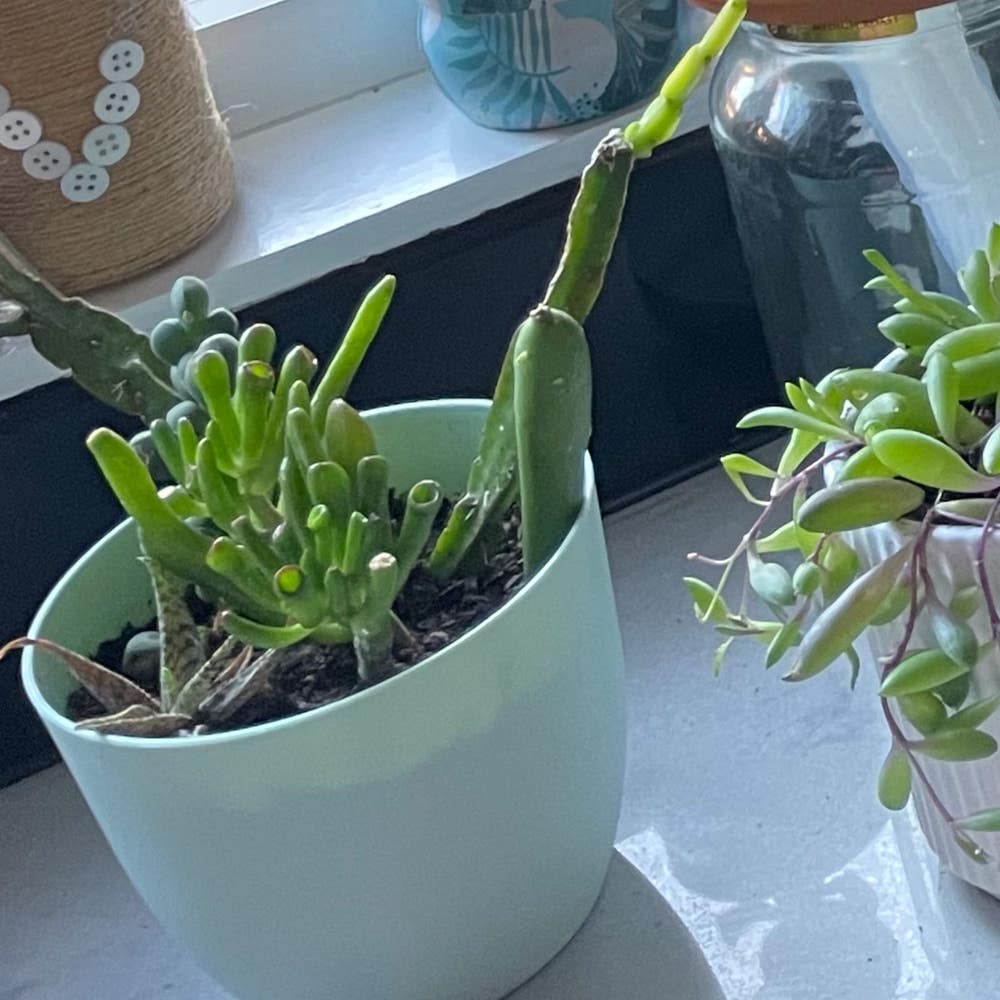
Should I Repot My Candle Plant?
Baculellum articulatum
By the Greg Editorial Team
Jun 18, 2024•4 min read
This article was created with the help of AI so we can cover more plants for you. May contain errors. See one? Report it here.
- Tangled roots and stunted growth signal it's repotting time.
- Choose the right pot and mix: Terracotta for breathability, well-draining soil.
- Be gentle with roots during repotting to prevent shock.
Spot the Clues: When Your Candle Plant Needs a New Home
🌱 Root Tango: Tangled or Circling Roots
When your Candle Plant's roots start to resemble a bowl of spaghetti, it's time to act. Roots peeking out of drainage holes or forming a dense web at the bottom of the pot are screaming for space. This root tangle is more than an inconvenience; it's a survival plea.
💧 Thirsty Much?: Water Drainage Woes
If water zips through the pot faster than a greased pig at a county fair, your soil might be too coarse or your plant too root-bound. Both scenarios prevent your Candle Plant from sipping what it needs. Overly rapid drainage can leave your plant dehydrated and stressed.
🌱 Stunted Swagger: When Growth Hits a Wall
A Candle Plant that's stopped growing is a sad sight. It's like watching a dancer with no room to boogie. If new growth is as rare as a quiet toddler, consider it a red flag. Stunted growth often indicates that your plant's current pot is cramping its style.

The Repotting Rundown: A Step-by-Step Guide
Let's dive into the nitty-gritty of repotting your Candle Plant.
💼 Prep Work: Choosing the Right Pot and Potting Mix
Size matters when picking a new pot. Go one size up—too large and you'll drown the roots, too small and you're just spinning your wheels. Drainage holes are non-negotiable. Prevent soil escape by lining the bottom with a coffee filter or fine mesh.
For the potting mix, freshness is key. Ditch the old, nutrient-depleted dirt and opt for a well-draining, light mix. Your plant's roots will thank you.
🚚 The Big Move: Extracting Your Plant Safely
Turn the pot sideways, give it a gentle love tap, or a more assertive thump if needed. If the plant plays hard to get, a chopstick can coax the root ball out—just don't go full samurai on it. Roots are sensitive; handle with care or risk a plant tantrum.
🏠 Settling In: Planting in the New Pot
Cover your drainage holes with gauze, then lay down a cozy base layer of fresh potting mix. Center your plant like it's the star of the show, and fill the sides with more mix. Avoid burying the crown—unless you're into plant suffocation. Tamp down the soil to evict air pockets; think gentle pressure, not an iron fist.
Water thoroughly to settle the roots into their new home. Hold the deluge post-watering; let the plant recover from its moving day.

Picking the Perfect Pot: Material Matters
💨 Breathability and Weight: Terracotta vs. Plastic
Terracotta, the classic choice, lets roots breathe and prevents overwatering by wicking away excess moisture. But, it's heavy; not ideal if you fancy rearranging your greenery on a whim. Plastic, on the other hand, is lightweight and retains moisture, reducing watering frequency. Yet, it's a no-go for the eco-conscious and can lead to soggy soil if you're not careful.
🎨 Style Meets Function: Ceramic and Other Options
Ceramic pots add a stylish touch and come in countless designs. They're less porous than terracotta, so ensure they have drainage holes. Other materials like wood or fiberglass offer unique aesthetics but always check for functionality in line with your plant's needs.
📏 Size It Up: Finding the Right Fit for Your Plant
Size is crucial. Too big, and you risk waterlogged roots; too small, and your plant's growth is stifled. Measure the diameter across the top and consider the pot's volume. Your Candle Plant will thank you for a pot that's just right.

Repotting Pitfalls: How to Dodge Common Blunders
⏰ Timing Troubles: When Not to Repot
Repotting is like updating your phone's software; timing is key. Avoid the blooming phase or the plant's winter dormancy. These periods are when your plant is either showing off or taking a well-deserved nap. Interrupting these cycles is like waking a bear during hibernation—just don't.
🌱 Mix Mishaps: Selecting the Wrong Soil
Choosing soil is like picking a mattress for yourself. Get it wrong, and you're in for discomfort. Your Candle Plant craves a mix that's just right—well-draining yet moisture-retentive. Use a mix with organic matter and perlite to encourage healthy roots without waterlogging.
🖐️ Gentle Hands: Avoiding Root Damage
When it's time to move your plant, think of it as brain surgery. Be gentle. Aggressive root handling can send your plant into shock. Prune tangled roots with care, and avoid going full Edward Scissorhands on them. After the move, water deeply but not too often to promote strong root growth.
⚠️ Safety First
This content is for general information and may contain errors, omissions, or outdated details. It is not medical, veterinary advice, or an endorsement of therapeutic claims.
Always consult a qualified healthcare professional before using any plant as food, medicine, or supplement.
Never eat any plant (or feed one to pets) without confirming its identity with at least two trusted sources.
If you suspect poisoning, call Poison Control (800) 222-1222, the Pet Poison Helpline (800) 213-6680, or your local emergency service immediately.
Spotted an error? Please report it here.
Repot your Candle Plant with confidence and let Greg craft a personalized watering schedule 🌱 to ensure it flourishes in its new home.