Lilac
About Lilac
Common lilac is a highly fragrant, spring-flowering shrub or small tree. The pungently sweet fragrance is delightful but can be overpowering to some asthmatics. Most plants are grafted so suckers should be removed from rootstock to maintain the appearance and prevent unwanted spread.
Taxonomy

Syringa vulgaris
Syringa
Oleaceae
Lamiales
Also known as
Common lilac, yankee doodle lilac and Common Purple Lilac Bush

How to care for Lilac
How often to water your Lilac

every 9
Lilac needs 0.5 cups of water every 9 when it doesn’t get direct sunlight and is potted in a 5" pot.
Use our water calculator to personalize watering recommendations to your environment or download Greg for more advanced recommendations for all of your plants.

Water 0.5 cups every
9
Finding light for Lilac in your home

a window
Lilac love being close to bright, sunny windows 😎.
Place it less than 1ft from a south-facing window to maximize the potential for growth.
Lilac does not tolerate low-light 🚫.
Select your region to see how the current weather in your area affects the placement of Lilac in your home 🏡.
How to fertilize Lilac

Most potting soils come with ample nutrients which plants use to produce new growth.
By the time your plant has depleted the nutrients in its soil it’s likely grown enough to need a larger pot anyway.
To replenish this plant's nutrients, repot your Lilac after it doubles in size or once a year—whichever comes first.
-
Last year my potted lilac leaves curled. Its now starting this year. Its 4 years old in a planter on my patio in direct sun. It gets afternoon sun. #Lilac
-
Didn't get around to posting spring blooms on the ggb post because life is a bit chaotic. But since I got the perfect bouquet for it (as always sponsored by "my mom's overflowing garden"), I'll just post them here now. The whole apartment smells like lilacs, but for once, it's actually the optics that wow me even more. Enjoy. #lilac #outdoorgrowing #plantsmakepeoplehappy
-
Alright y’all here’s the product and here’s the vision 🌿✨ I’m trying to bring this little dream to life and I’m pretty excited about it. I can already picture it growing in and making the space feel even softer and greener 🌱💚 If anyone has tips tricks or things you’ve learned from doing something similar I’m absolutely open to absorbing all the plant wisdom 🪴😊 Ive planted the ranunculus bulbs and now, we wait! Just out here trying to make my home a little more alive every day 🌸🌞 #PlantProject #GrowingTheVision #lilacranunculous #cottagecore #GreenGoals #FutureBloom #PlantPlans #HomeJungleEnergy #GregCommunity #PlantPeopleUnite #ManyTexturedUniverse #SoftAndRooted #WildflowerWoman #BloomingInMyWay #WarmAndGrowing #TeachMeYourPlantWays #PlantTipsWelcome #LearningAsIGrow #PlantWisdomPlease #GreenSpaces #CozyCorners #GrowWithMe #LittleHomeEcosystem
-
My lilac is an established 30 year old plant. Should I follow the watering recommendation in my schedule? Just added her to my account. #Lilac
-
Was walking around my yard and saw my lilac trees blooming. They haven't bloomed for a few years. I decided to cut a couple branches so I could have fresh flowers in the house. #freshflowers #lilac
-
I have a lilac shrub in plastic container and some of the leaves ve turne yellow do I pull them off #Lilac
-
Anyone know what this plant is? I was told it was a lilac, but it was so overgrown it’s never looked the way it should. The blooms are pastel purple and only ever on the tips of the branches. Since it wasn’t taken care of it only starts sprouting mid summer, and blooms late summer. I’m thinking it might be a butterfly bush or a lilac… #PlantID #OutdoorGrowing #HappyPlants #PlantsMakePeopleHappy #Lilac #ButterflyBush
-
Hats wrong with my lilacs? #Lilac
-
When and how should I prime my lilac bush so it blooms more? #Lilac
-
Crazy weather has caused one of my lilacs to bloom a little! #flowerpower #HappyPlants #OutdoorGrowing #Lilac


Care Summary for Lilac

Lilac
 Greg recommends:
 Water
Water
0.5 cups every 9 days
 Placement
< 1ft from a window
 Nutrients
Repot after 2x growth
Based on the 4” pot your plant is in, and that it doesn’t get direct sunlight.
 Trending in your area

Bird's Nest Fern
Lady Finger Cactus

String of Buttons

Arabian Coffee Plant
Waxplant
Triostar Stromanthe
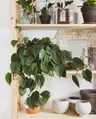
Heartleaf Philodendron

Rex Begonia

Tradescantia Nanouk
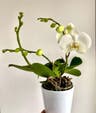
Phalaenopsis Orchid

Fairy Washboard

Zebra Plant

Dragon Tree
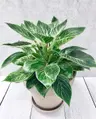
Philodendron Birkin

Blue-Stem Yucca

Golden Barrel Cactus

Chinese Money Plant
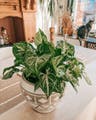
Arrowhead Plant
 Similar to Lilac


✨ Discover rare plants

Crassula 'Purple Drag…

Kilimanjaro Plant

Burro's Tail
Skeleton Key Pothos

Cleistocactus icosago…

Ceropegia simoneae

Electric Blue Gecko

Hoya kalimantan

Fernleaf Lavendar

Picasso's Paintbrush
Philodendron 'Gabby'

Aloe 'Lavender Star'

Philodendron eximium

Large Leaf Elephant B…

Dinteranthus microspe…

Anthurium Fingers

Anthurium 'Fantasy Lo…