
Pampanini's Rattle
Taxonomy

Rhinanthus pampaninii
Rhinanthus
Orobanchaceae
Lamiales

How to care for Pampanini's Rattle
How often to water your Pampanini's Rattle

every 9
Pampanini's Rattle needs 0.5 cups of water every 9 when it doesn’t get direct sunlight and is potted in a 5" pot.
Use our water calculator to personalize watering recommendations to your environment or download Greg for more advanced recommendations for all of your plants.
Water 0.5 cups every
9
Finding light for Pampanini's Rattle in your home

a window
Pampanini's Rattle may have difficulty thriving, and will drop leaves 🍃, without ample sunlight.
Place it less than 3 feet from a south-facing window to maximize the potential for growth.
Select your region to see how the current weather in your area affects the placement of Pampanini's Rattle in your home 🏡.
How to fertilize Pampanini's Rattle

Most potting soils come with ample nutrients which plants use to produce new growth.
By the time your plant has depleted the nutrients in its soil it’s likely grown enough to need a larger pot anyway.
To replenish this plant's nutrients, repot your Pampanini's Rattle after it doubles in size or once a year—whichever comes first.
Care Summary for Pampanini's Rattle
Pampanini's Rattle
 Greg recommends:
 Water
Water
0.5 cups every 9 days
 Placement
< 3ft from a window
 Nutrients
Repot after 2x growth
Based on the 4” pot your plant is in, and that it doesn’t get direct sunlight.
 Trending in your area

Chinese Evergreen

Rose Calathea
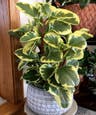
Baby Rubber Plant

String of Bananas
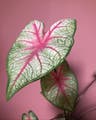
Heart of Jesus

Florist Kalanchoe
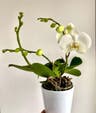
Phalaenopsis Orchid

Split Leaf Philodendr…

Polka Dot Begonia
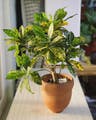
Gold Dust Croton

Bird's Nest Fern

Emerald Ripple Pepero…

String of Pearls
Cornstalk Dracaena

Small-Leaf Spiderwort
Monstera
Kentia Palm
Bird of Paradise
 Similar to Pampanini's Rattle
✨ Discover rare plants

Royal Flush Split Rock

Lavandula Pedunculata

Croton Nervia

Echeveria 'Joan Danie…

Blue Moon Wisteria

Radiator Plant

Rainbow Echeveria

Aglaonema Spitfire

Crassula 'Purple Drag…

Sedeveria 'Blue Elf'
Rosularia platyphylla

Haworthia emelyae com…

Rhipsalis clavata
Hoya crassipetiolata

Tuber Fleeceflower
Phalaenopsis schiller…
