


Myanmar Anoectochilus
About Myanmar Anoectochilus
Myanmar Anoectochilus is a super rare houseplant 🌿 that needs regular watering to thrive. They do best in abundant sunlight ☀ and should be less than 3 feet from a window.
Myanmar Anoectochilus likes soil that is well draining.
Taxonomy

Anoectochilus burmannicus
Anoectochilus
Orchidaceae
Asparagales
Also known as
Anoectochilus chapaensis and Jewel Orchid

How to care for Myanmar Anoectochilus
How often to water your Myanmar Anoectochilus

every 9
Myanmar Anoectochilus needs 0.5 cups of water every 9 when it doesn’t get direct sunlight and is potted in a 5" pot.
Use our water calculator to personalize watering recommendations to your environment or download Greg for more advanced recommendations for all of your plants.

Water 0.5 cups every
9
Finding light for Myanmar Anoectochilus in your home

a window
Myanmar Anoectochilus may have difficulty thriving, and will drop leaves 🍃, without ample sunlight.
Place it less than 3 feet from a south-facing window to maximize the potential for growth.
Select your region to see how the current weather in your area affects the placement of Myanmar Anoectochilus in your home 🏡.
How to fertilize Myanmar Anoectochilus

Most potting soils come with ample nutrients which plants use to produce new growth.
By the time your plant has depleted the nutrients in its soil it’s likely grown enough to need a larger pot anyway.
To replenish this plant's nutrients, repot your Myanmar Anoectochilus after it doubles in size or once a year—whichever comes first.
-
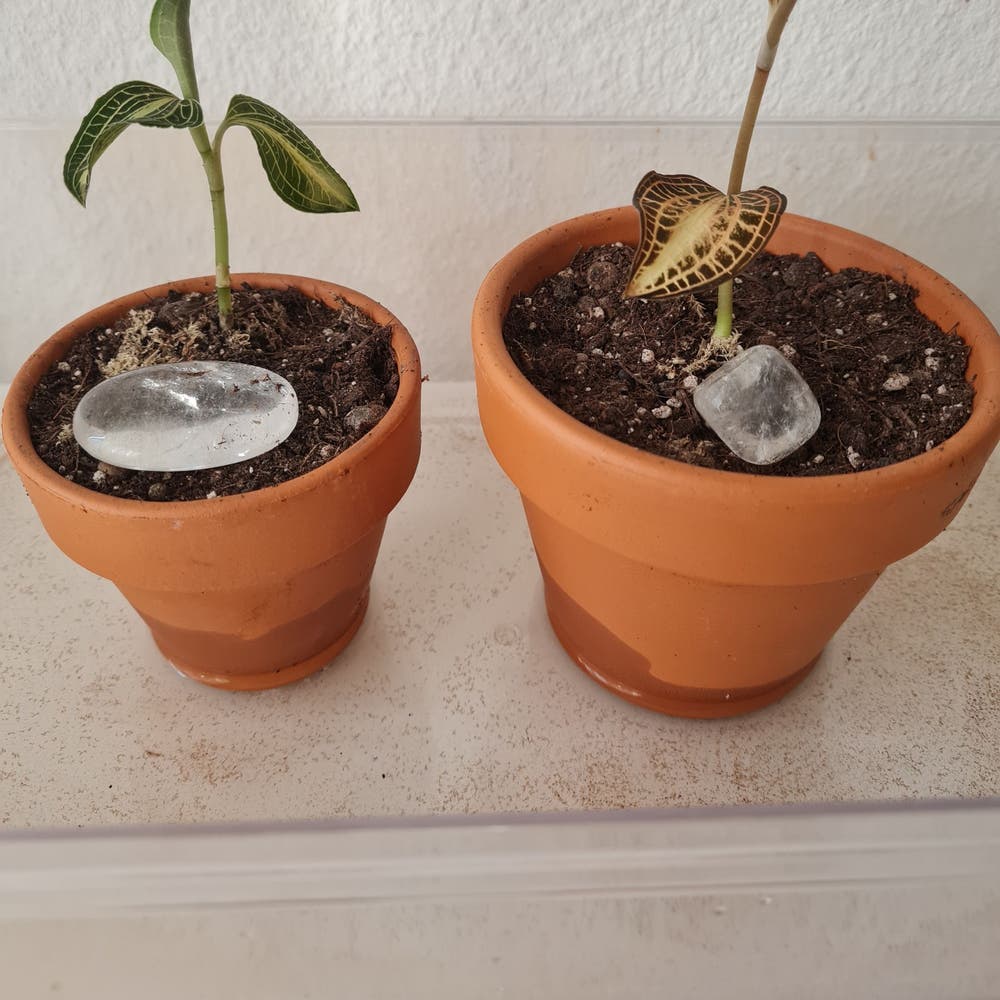
Just received this Orchid. Anyone else have one? Recommendations on care?
-
Was very inactive lately, but I have some good news: my jewel orchid starts to bloom😍.
-
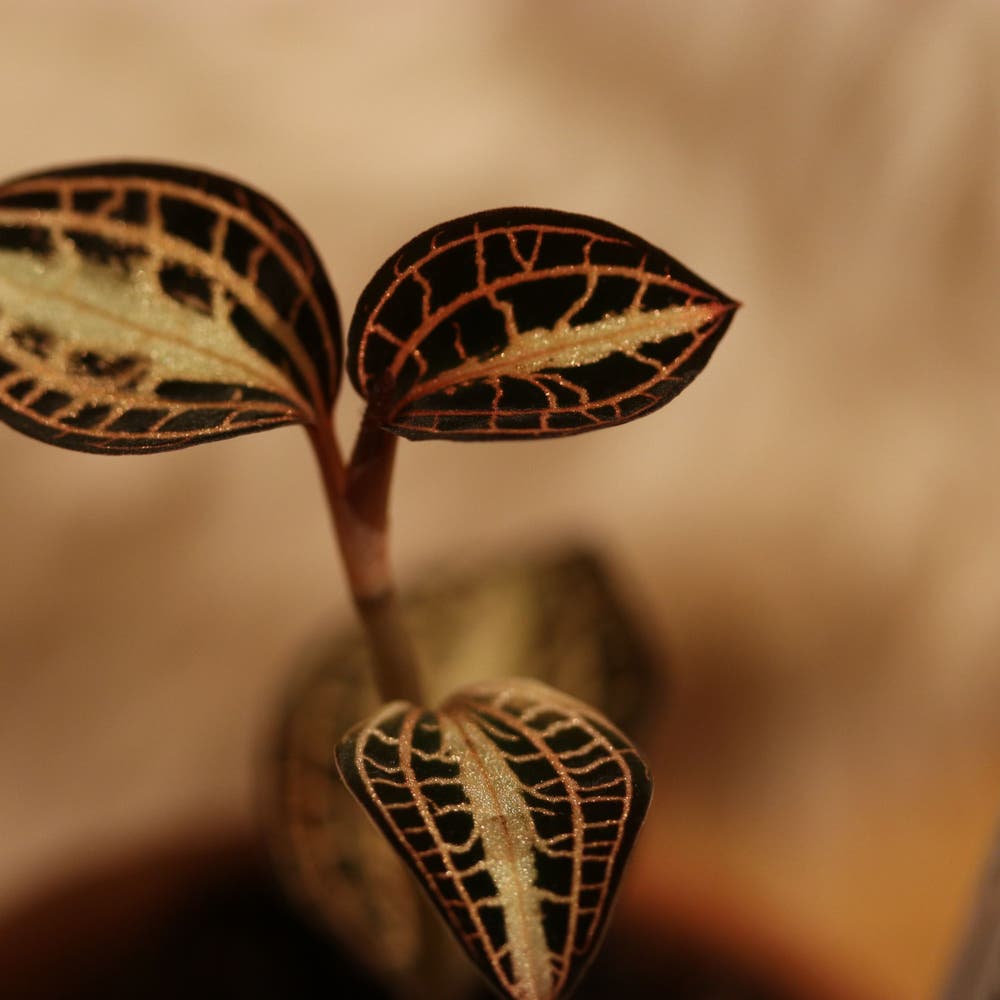
I love this plant so much, I had to do a quick "photoshoot" today.😂
-
My jewel orchid is growing so fast😍
-
Jewel orchid Anyone having an idea why my jewel orchid is in such a weird curvy shape? It used to be rather straight...
-
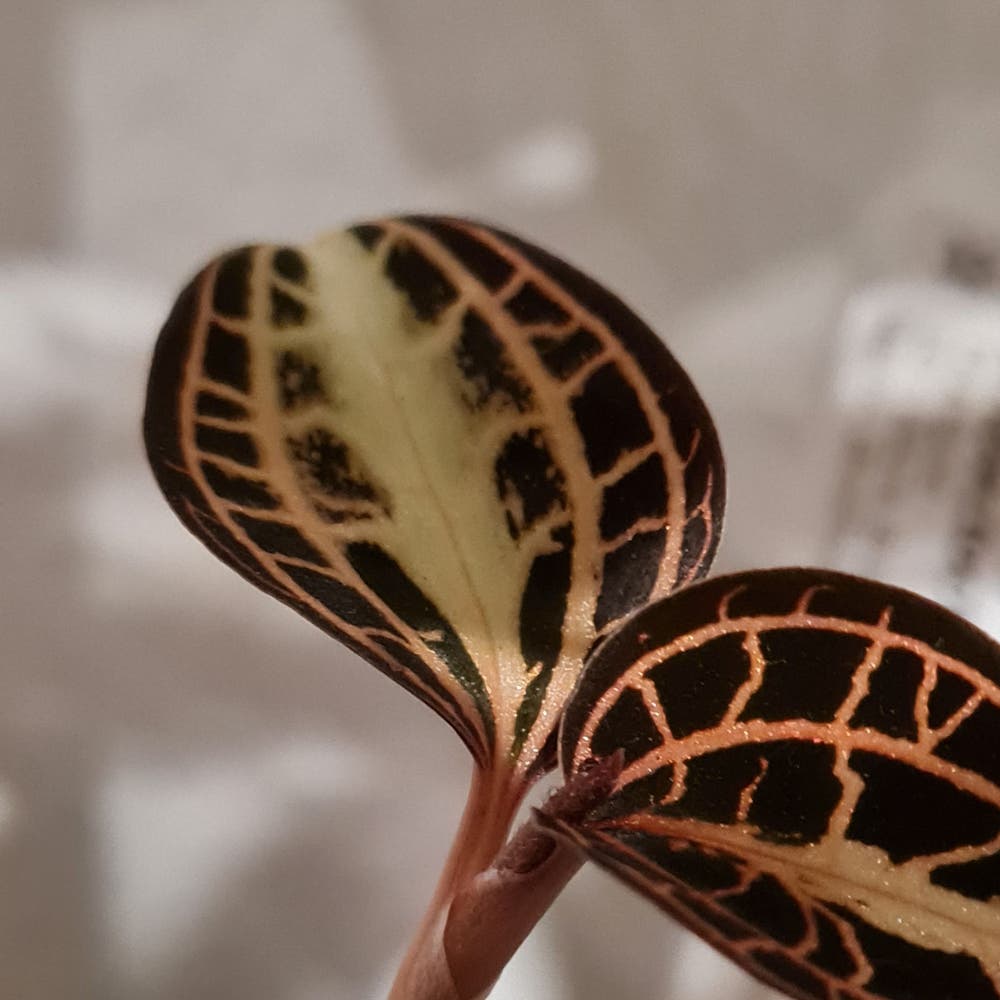
It's growing❤
-
Jewel Orchid Problems Found this useful link online: https:// #jewelorchid
-
Bottom watering Does it make sense to bottom water jewel orchids? I read online that they love it but Im not sure. And yes, they hadnt had enough water the last days thats why their leaves drop. :(
-
My fav plant❤
-
My jewel orchid is growing😍!

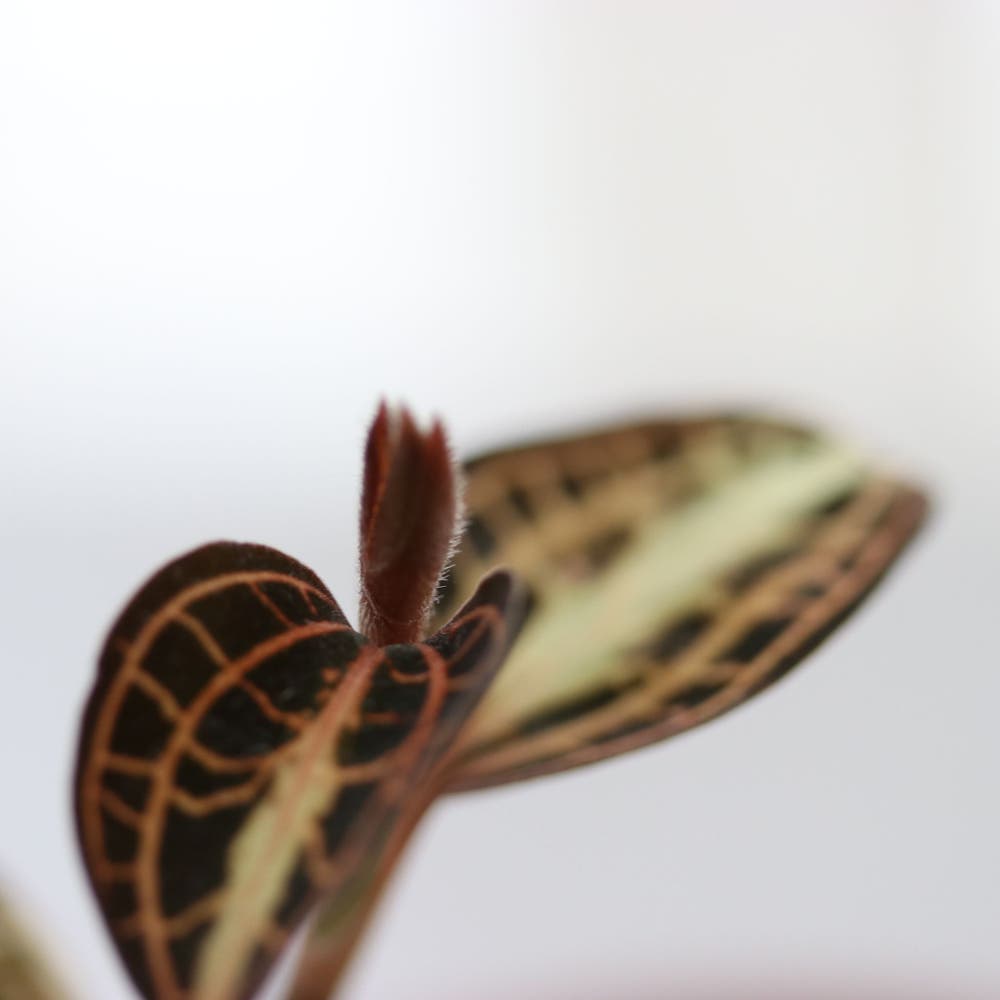
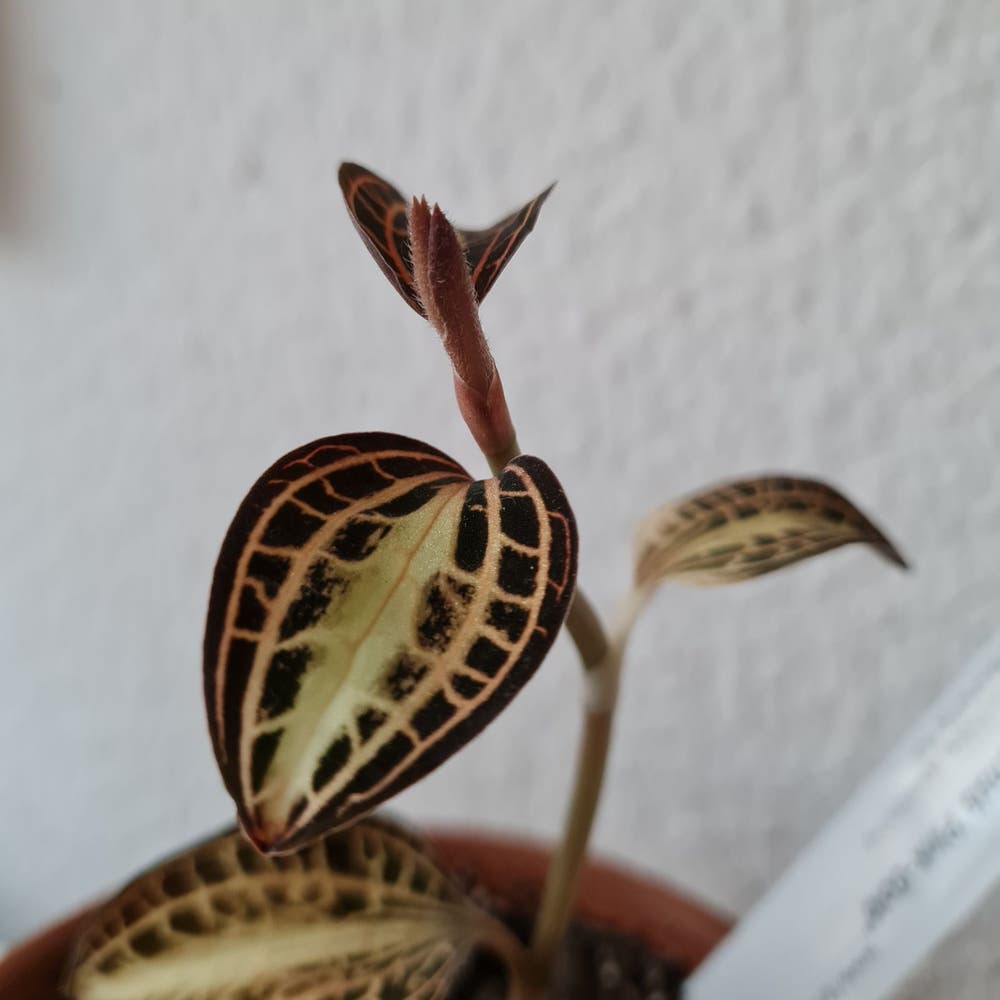
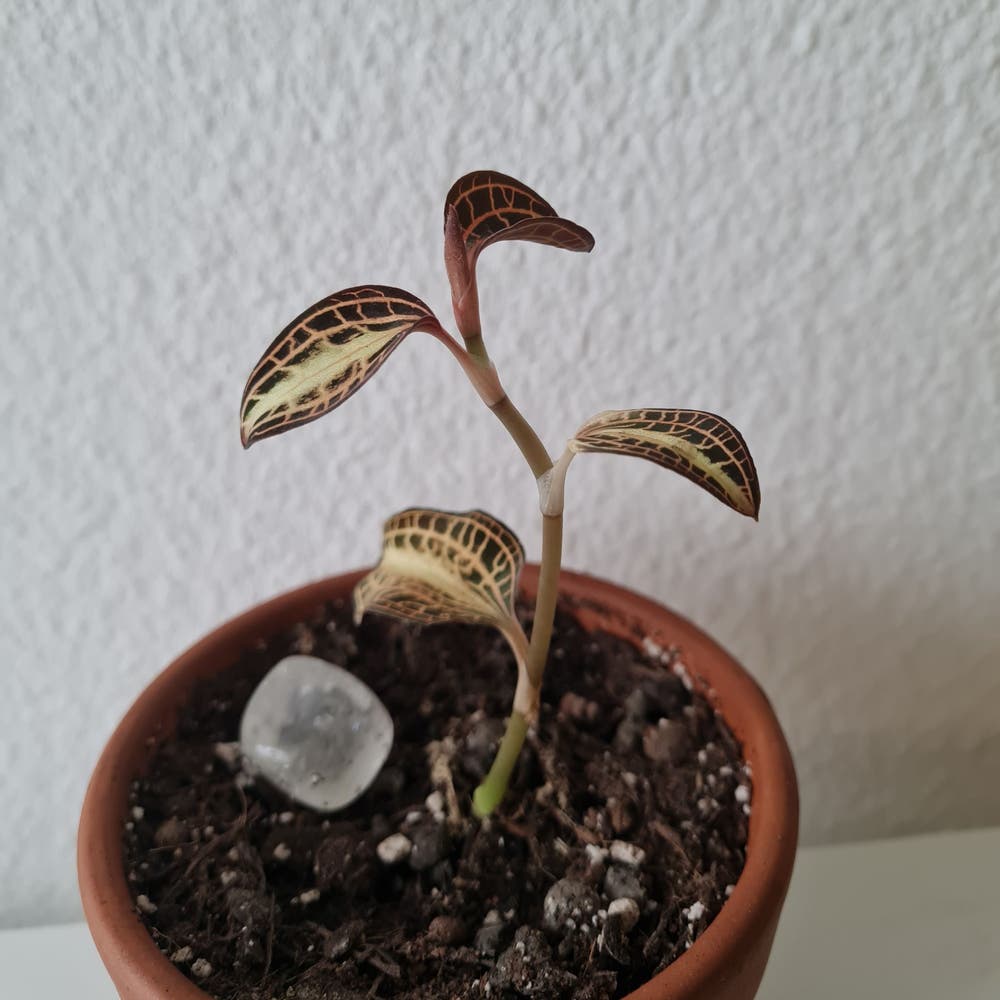
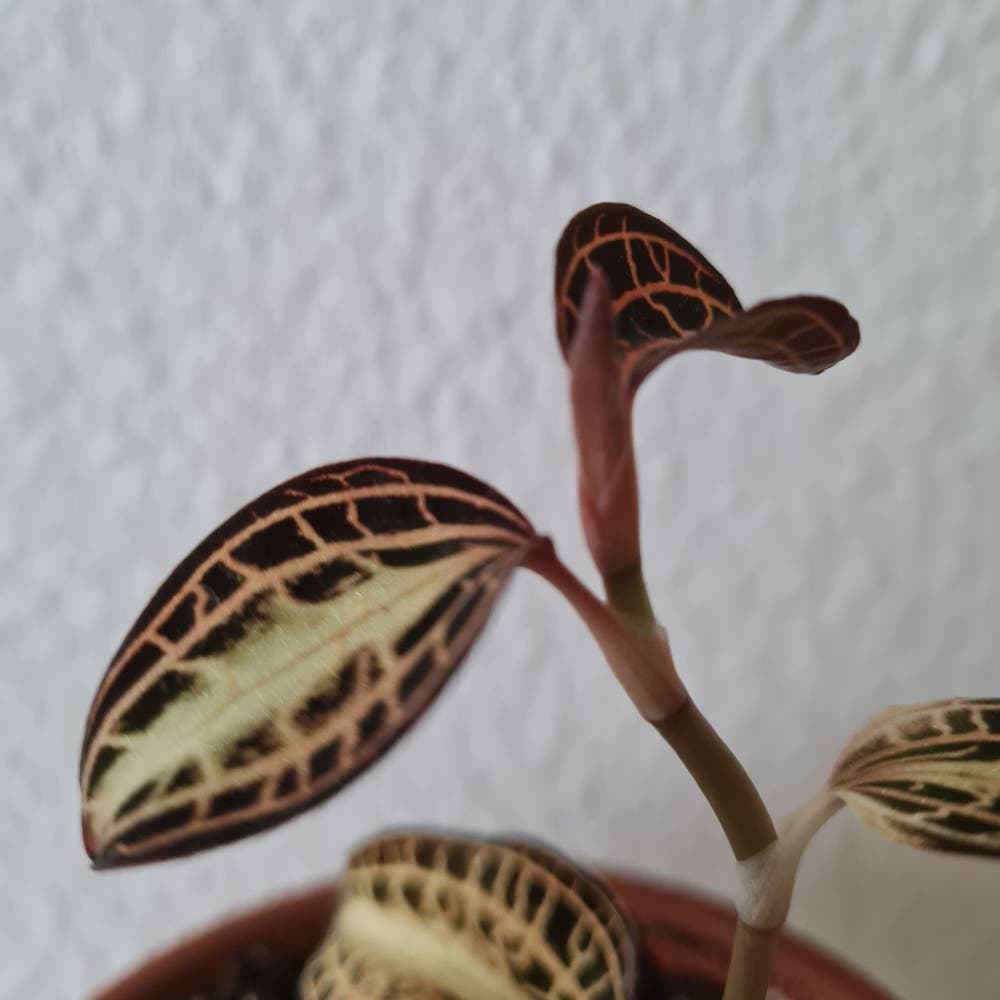
Care Summary for Myanmar Anoectochilus

Myanmar Anoectochilus
 Greg recommends:
 Water
Water
0.5 cups every 9 days
 Placement
< 3ft from a window
 Nutrients
Repot after 2x growth
Based on the 4” pot your plant is in, and that it doesn’t get direct sunlight.
 Trending in your area












 Similar to Myanmar Anoectochilus


✨ Discover rare plants

Sedeveria 'Blue Elf'

Rainbow Echeveria

Anthurium Fingers
Astroloba congesta
Philodendron 'Silver …

Pink Ruby Sedevaria

Bonsai Crassula
Carolina Reaper

Fernleaf Lavendar
Skeleton Key Pothos
Philodendron 'Gabby'

Crassula 'Purple Drag…

Euphorbia

Croton Nervia

Begonia hydrocotylifo…

Hoya 'Millie'

Hoya kalimantan
