Why Are My Myanmar Anoectochilus Leaves Curling?
Anoectochilus burmannicus
By the Greg Editorial Team
Apr 15, 2024•5 min read
This article was created with the help of AI so we can cover more plants for you. May contain errors. See one? Report it here.
Unravel the mystery behind your Myanmar Anoectochilus's curling leaves and revive their splendor 🌿.
- 🌿 Leaf curling signals distress, not natural growth in Myanmar Anoectochilus.
- 💧🌡️ Balance water, light, and climate to prevent curling.
- 🕵️♂️ Regular monitoring catches early signs of pests and nutrient issues.
Spotting the Signs: When Leaves Take a Turn
💫 Recognizing Leaf Curling
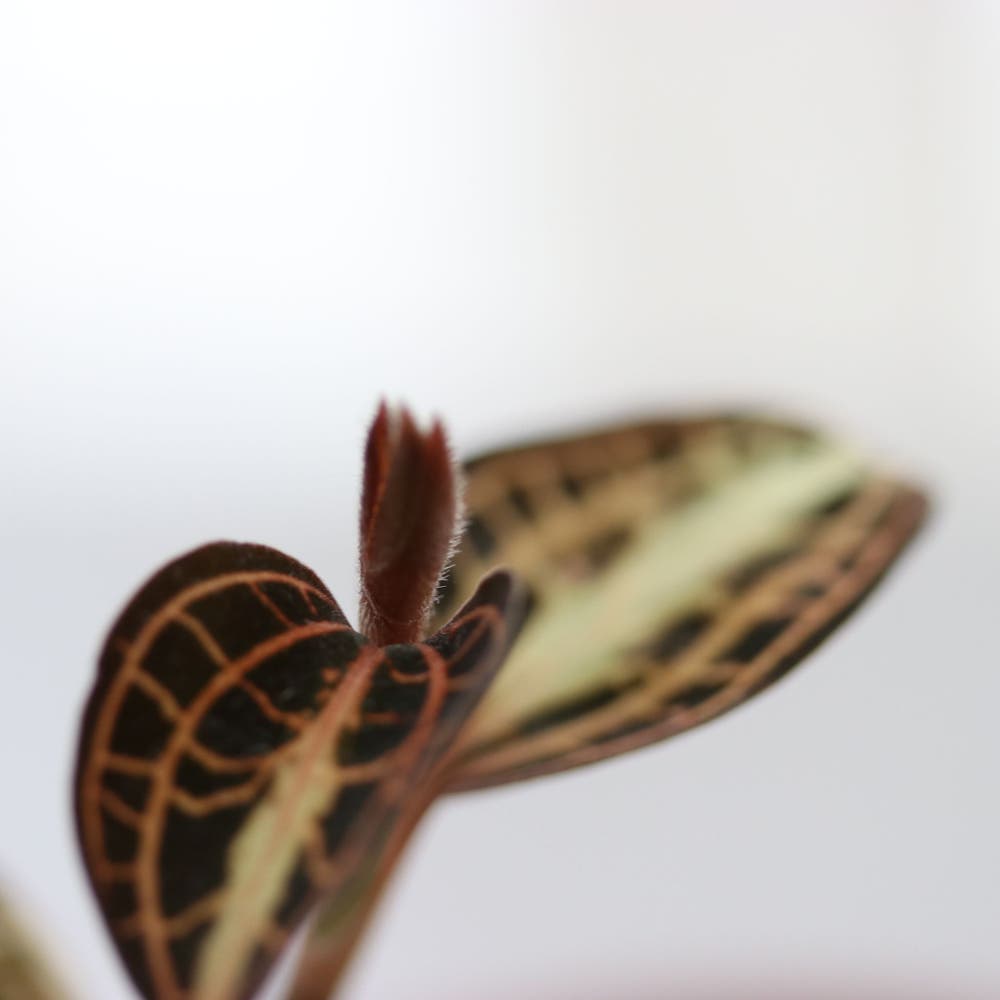
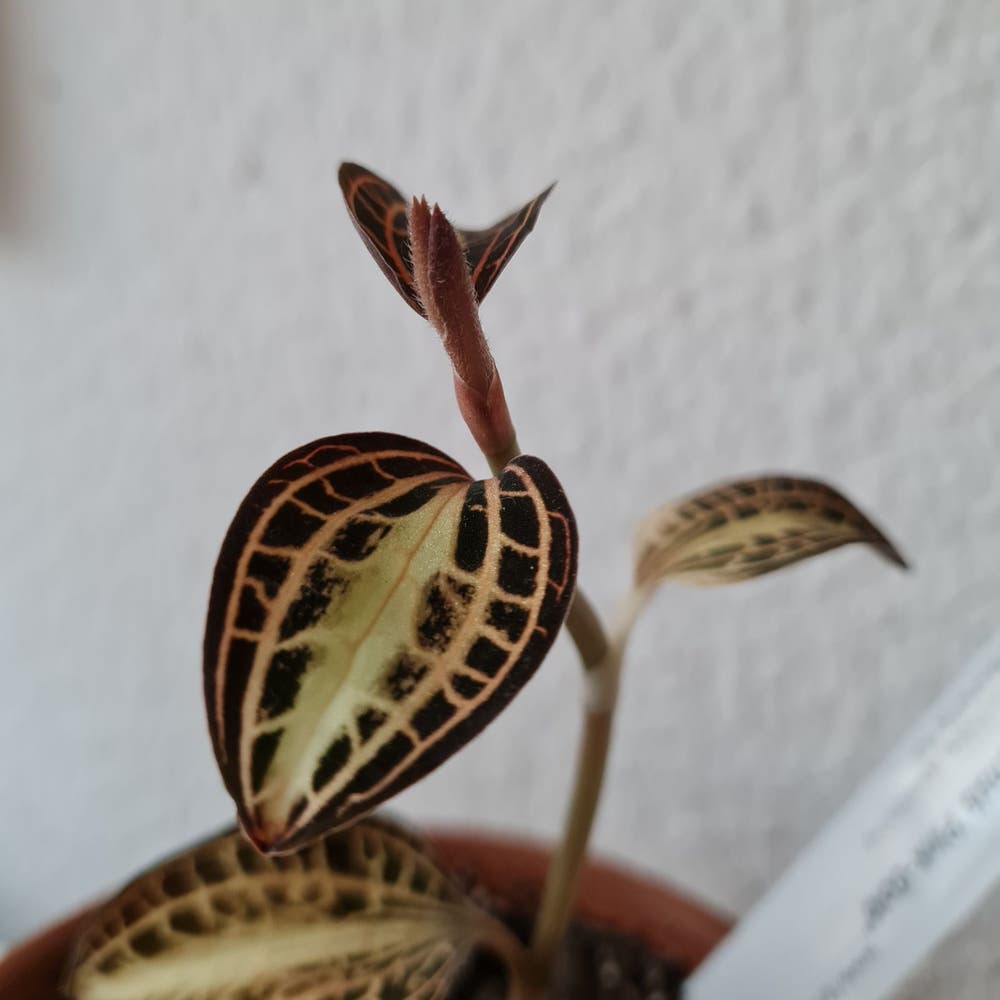
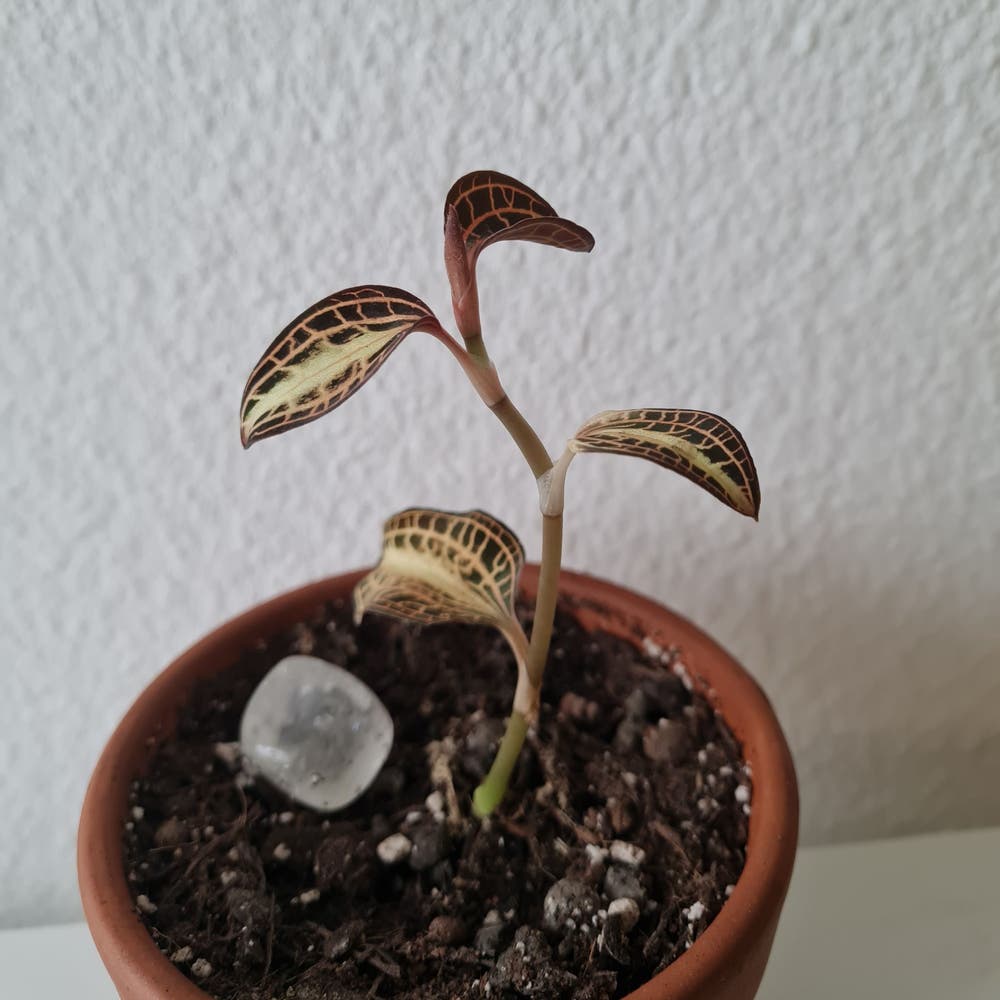
Leaf curling in Myanmar Anoectochilus can be as subtle as a slight wave or as dramatic as a tight spiral. This deviation from the plant's naturally flat leaves is a distress signal, not a growth quirk. Look for leaves folding inward or edges rolling up, resembling a crumpled piece of paper. Discoloration often tags along, with leaves turning from lush green to a dull yellow.
🕵️ Common Culprits Behind the Curl
The causes of leaf curling are as varied as the patterns they create. Environmental factors like improper lighting and humidity levels are frequent offenders. Watering missteps, both over and under-watering, can send leaves into a tizzy. Pests such as aphids, spider mites, and thrips are stealthy invaders, leaving behind curled and distorted foliage. And let's not overlook nutritional imbalances—an unbalanced diet can lead to a plant's system going haywire, with curling leaves as a telltale symptom. Keep a vigilant eye; these issues are often at the root of your leaf troubles.
Balancing the Elements: Environmental Tweaks to Combat Curling
💡 Temperature and Humidity Harmony
In the quest to quell leaf curling, temperature and humidity are your Myanmar Anoectochilus's best friends—or worst enemies. Aim for that sweet spot of 65-75°F, dodging the extremes that can make your plant's leaves curl up in protest. Humidity-wise, think tropical; a range of 40-60% mimics their natural habitat. Too dry? A humidifier or pebble tray can save the day. Too moist? Dial it back with a dehumidifier to avoid a leafy frown.
🚰 Perfecting Your Plant's Thirst
Watering is less about sticking to a strict schedule and more about reading the room—or in this case, the soil. Before you water, do the finger test: the soil should be dry to the touch on top but still hold some moisture beneath. Overwatering is a sure path to root rot, while underwatering leaves your plant gasping for a drink. Consistency is key, with a nod to seasonal changes—less in the cool months, more when it's warm. Remember, your Myanmar Anoectochilus isn't a cactus, nor is it a water lily; it's somewhere happily in between.
Let There Be Light (But Not Too Much!)
🌞 Finding the Sweet Spot for Sunlight
Myanmar Anoectochilus plants are like Goldilocks when it comes to their sunbathing habits—not too much, not too little, just right. Bright, indirect light is their jam. If you catch your plant's leaves curling, it might be throwing shade at you for not getting its light conditions spot on. Use a light meter or your keen eye to dial in that dappled sunlight effect. Remember, you're aiming to mimic the plant's natural habitat under a forest canopy.
🛡️ Shielding from the Scorch
If your Myanmar Anoectochilus could talk, it would probably tell you that it's not a fan of sunbathing in the Sahara. Direct sunlight is a no-no; it's like putting your plant in a tiny plant-sized oven. To prevent the leaves from curling up in defense, think of sheer curtains as your plant's personal sunscreen. They filter out the harshness while still letting in that glowy goodness. And if you notice the leaves getting a bit too crispy, it's time to shuffle your plant out of the solar spotlight. Keep an eye on the changing angles of the sun throughout the seasons—your plant's needs will shift as the Earth does its tilty dance around the sun.
Feeding Your Foliage: Nutrient Know-How
💡 Spotting Starvation Signs
Yellowing leaves might be shouting for nitrogen, while crispy edges could be pleading for potassium. Discoloration and unusual patterns on leaves are your plant's distress signals. A soil test is like a tell-all book—it reveals exactly what's missing.
🍽️ Crafting the Perfect Diet
Balanced fertilization is like a well-timed meal for your Myanmar Anoectochilus. Use a water-soluble fertilizer with an even NPK ratio during the growing season. Moderation is key—over-fertilization can lead to salt buildup and leaf curling. Adjust your plant's diet according to its life stage and response to feeding. Don't forget the micronutrients—manganese and zinc can be game-changers.
Proactive Plant Parenting: Preventing the Pouty Leaves
🕵️ Routine Checks and Balances
Regular monitoring is essential to catch the early signs of leaf curling in your Myanmar Anoectochilus. Think of it as a plant check-up; just as you wouldn't skip a car's oil change, don't skip on inspecting your plant. Weekly examinations of leaves, stems, and soil can reveal the onset of curling before it becomes a crisis. Keep an eye out for pests too—they're the uninvited guests at your plant's dinner party.
Long-Term Love for Your Myanmar Anoectochilus
Consistency in care is the love language of Myanmar Anoectochilus. Establish a care schedule that includes regular watering, feeding, and pruning to maintain plant health. Adjust care with the seasons—your plant's needs will change just like your wardrobe does from summer to winter. This isn't just about avoiding leaf curl; it's about fostering a thriving, long-term relationship with your green buddy.
⚠️ Safety First
This content is for general information and may contain errors, omissions, or outdated details. It is not medical, veterinary advice, or an endorsement of therapeutic claims.
Always consult a qualified healthcare professional before using any plant as food, medicine, or supplement.
Never eat any plant (or feed one to pets) without confirming its identity with at least two trusted sources.
If you suspect poisoning, call Poison Control (800) 222-1222, the Pet Poison Helpline (800) 213-6680, or your local emergency service immediately.
Spotted an error? Please report it here.
Keep your Myanmar Anoectochilus leaf-perfect 🍃 by using Greg to monitor environmental factors and catch pesky pests before they cause trouble.