Symbolism and Benefits of the Myanmar Anoectochilus
Anoectochilus burmannicus
By the Greg Editorial Team
Apr 15, 2024•3 min read
This article was created with the help of AI so we can cover more plants for you. May contain errors. See one? Report it here.
Embrace the Myanmar Anoectochilus 🍃—a symbol of prosperity, culture, and wellbeing in your home.
- Ornamental and symbolic, enhances decor and represents Myanmar's nature-art connection.
- Believed to attract fortune, also purifies air and has medicinal uses.
- Cultivation connects to heritage, offering a unique experience and sparking cultural conversations.
Aesthetic and Symbolic Charms
🌿 Ornamental Beauty and Aesthetic Appeal
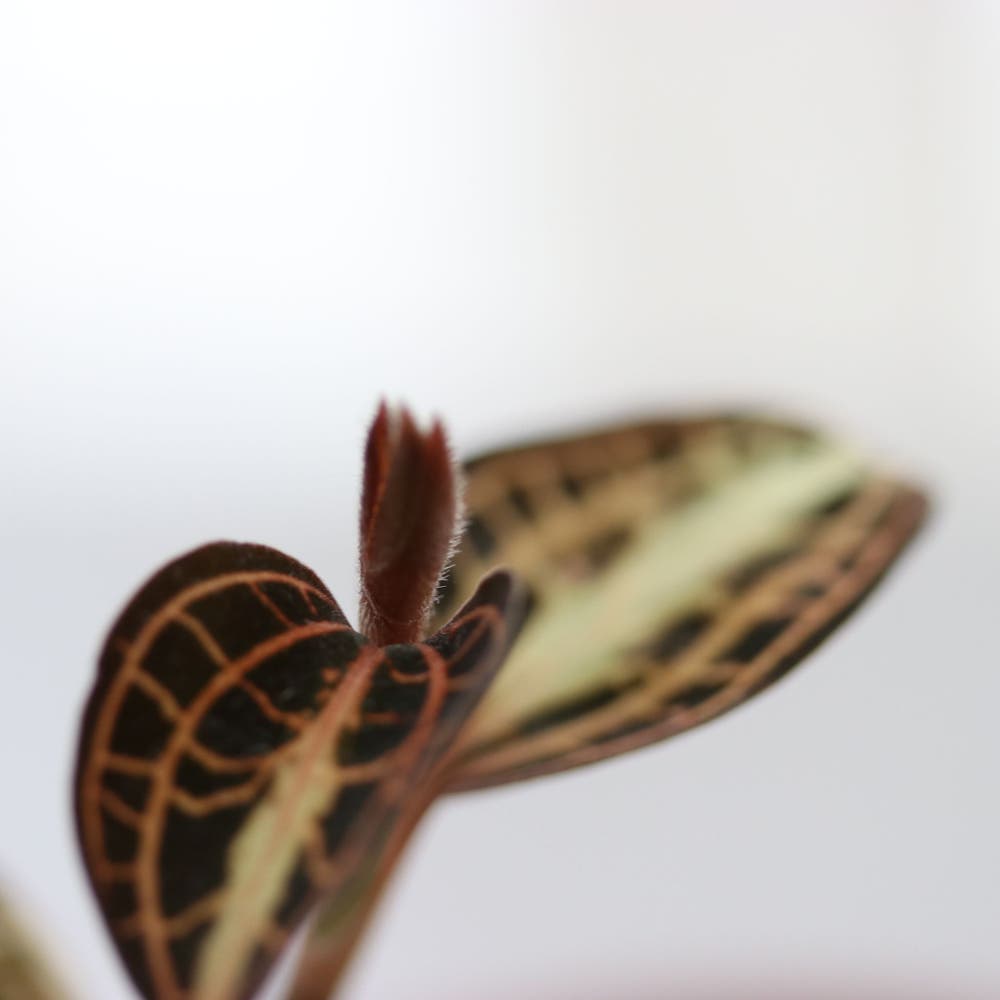
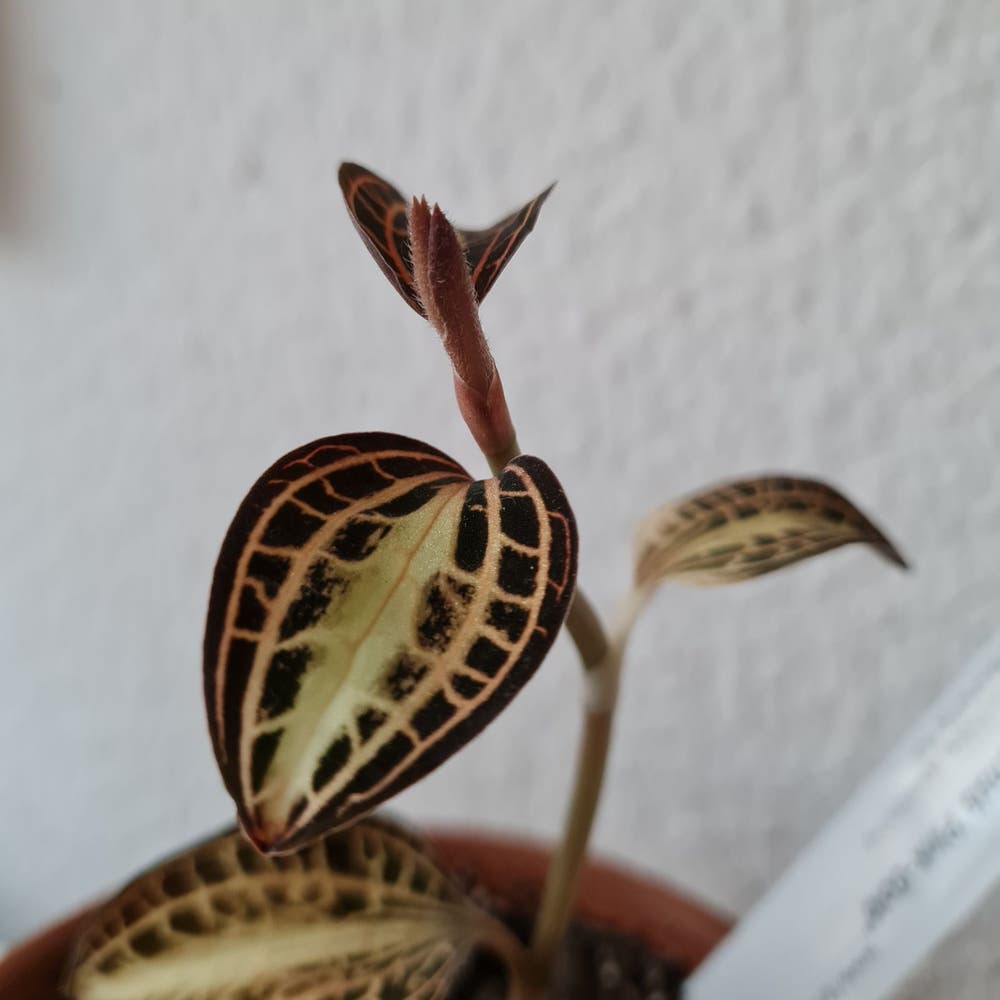
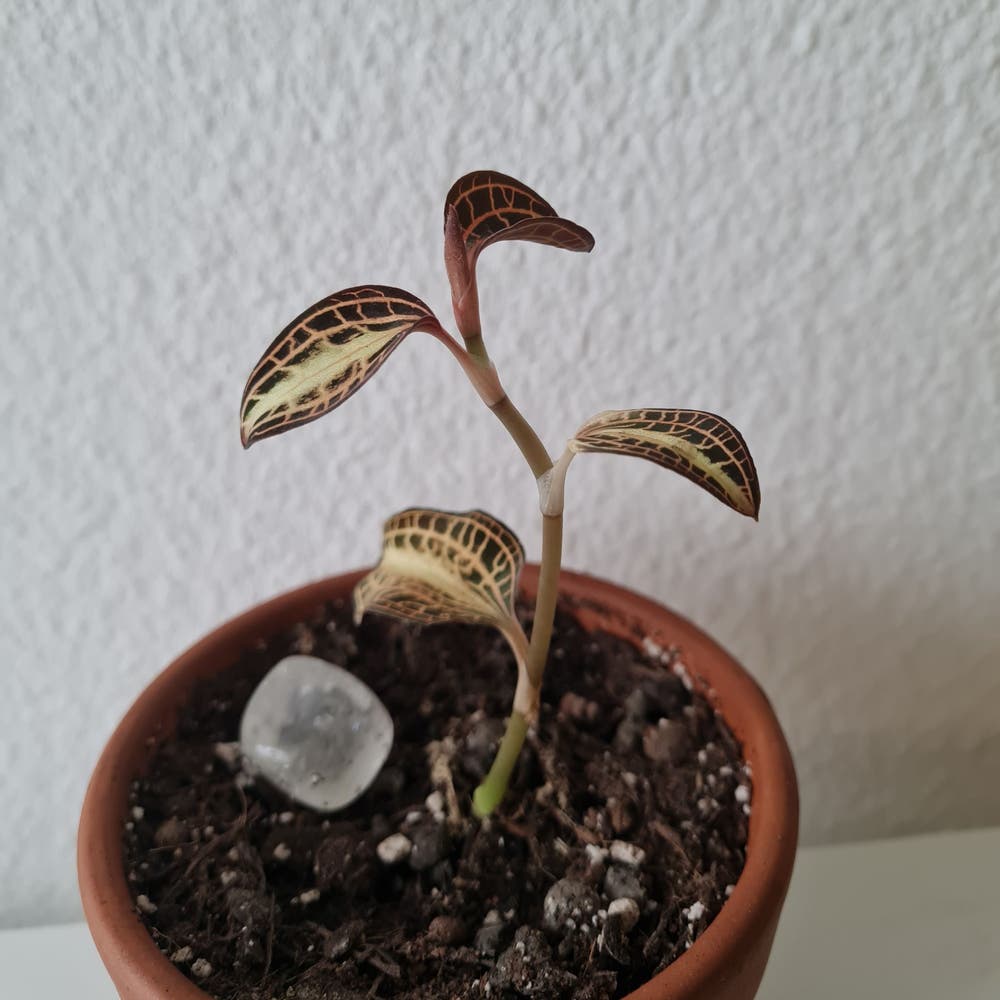
The Myanmar Anoectochilus is not just a plant; it's a piece of living art. Its foliage is a spectacle of nature's intricacy, with leaves that boast a tapestry of rich greens and mesmerizing patterns. These patterns do more than please the eye; they serve as a natural decor, enhancing the ambiance of any home with a touch of the exotic.
In Myanmar culture, the leaf patterns are more than just pretty; they're symbolic. They represent the intricacy of nature and the connection between the natural world and artistic expression. This plant doesn't just sit in a pot; it tells a story with every leaf.
🌍 Cultural Connection and Prosperity
Cultivating the Myanmar Anoectochilus is like growing a bridge to Myanmar's heritage. It's a living link to a culture rich with tradition and history. For those with roots in Myanmar, or an appreciation for its culture, this plant is a cherished piece of home.
Beliefs in the plant's ability to attract prosperity and good fortune are deeply rooted. It's not just about the aesthetic; it's about the vibe. The Myanmar Anoectochilus is said to bring an aura of abundance into your space. It's not just a plant; it's a harbinger of good vibes.
Health and Wellbeing Perks
💨 Air Purification and Environmental Impact
Myanmar Anoectochilus isn't just a pretty face; it's a natural air purifier. Its leaves work overtime to strip away indoor air toxins, much like its botanical cousins, the Anthurium and Alocasia 'Mandalay'. Think of it as your personal detox unit, silently combating the invisible nasties like formaldehyde that your couch is off-gassing.
🧘♂️ Stress Reduction and Therapeutic Properties
The mere presence of this plant is like a zen master for your space, dialing down stress levels with its serene vibe. Beyond its calming presence, Myanmar Anoectochilus is steeped in traditional medicinal uses. It's not just folklore; the plant is packed with bioactive compounds that have been tapped for health benefits across generations. From anti-inflammatory properties akin to Anamu to its potential role in holistic therapies, this plant is a treasure trove of therapeutic possibilities.
The Joy of Cultivation
🌱 Unique Growing Experience
Cultivating the Myanmar Anoectochilus is more than just gardening; it's a heritage embrace. Each leaf unfurls with a story, a piece of Myanmar's soul in your living space. Patience and care for this plant parallel personal growth, offering a mindful retreat into the world of traditional cultivation practices.
🗣 Conversation Starter
The Myanmar Anoectochilus isn't just a plant; it's a cultural ambassador. Its distinctive foliage is bound to pique curiosity, leading to rich exchanges about Myanmar's heritage. Engaging with this plant is an open door to dialogues about biodiversity, conservation, and the importance of preserving cultural treasures through horticulture.
⚠️ Safety First
This content is for general information and may contain errors, omissions, or outdated details. It is not medical, veterinary advice, or an endorsement of therapeutic claims.
Always consult a qualified healthcare professional before using any plant as food, medicine, or supplement.
Never eat any plant (or feed one to pets) without confirming its identity with at least two trusted sources.
If you suspect poisoning, call Poison Control (800) 222-1222, the Pet Poison Helpline (800) 213-6680, or your local emergency service immediately.
Spotted an error? Please report it here.
Cultivate your own piece of Myanmar's heritage with the intricate Anoectochilus 🍃, and let Greg's tailored care reminders ensure it brings prosperity and clean air to your home with ease.