
West Indian Tufted Airplant
Taxonomy

Guzmania monostachia 'Album'
Guzmania
Bromeliaceae
Poales

How to care for West Indian Tufted Airplant
How often to water your West Indian Tufted Airplant

every 12
West Indian Tufted Airplant needs 0.5 cups of water every 12 when it doesn’t get direct sunlight and is potted in a 5" pot.
Use our water calculator to personalize watering recommendations to your environment or download Greg for more advanced recommendations for all of your plants.
Water 0.5 cups every
12
Finding light for West Indian Tufted Airplant in your home

a window
West Indian Tufted Airplant love being close to bright, sunny windows 😎.
Place it less than 1ft from a south-facing window to maximize the potential for growth.
West Indian Tufted Airplant does not tolerate low-light 🚫.
Select your region to see how the current weather in your area affects the placement of West Indian Tufted Airplant in your home 🏡.
How to fertilize West Indian Tufted Airplant

Most potting soils come with ample nutrients which plants use to produce new growth.
By the time your plant has depleted the nutrients in its soil it’s likely grown enough to need a larger pot anyway.
To replenish this plant's nutrients, repot your West Indian Tufted Airplant after it doubles in size or once a year—whichever comes first.
-
I gave this plant direct sunlight like the description says and it turned all my leaves brown. What do i do now? #Guzmania
-
What do the brown spots on the leaves mean #Guzmania
-
One flower . Dried up #Guzmania
-
Too much water? Hi! I got this beautiful bright red Bromeliad about a year ago and since it has lost its color and looks almost grey. How can I fix this poor guy?
-
Plant parent fail So I had the genius idea of hanging my plant in the window so she could get more light. Unfortunately, my goofy self forgot about this massive snowstorm that was hitting. She spent about a week in the window before I said enough is enough… obviously she’s not dead, but how can I help her get back to her old, not shriveled up self? She usually is on a shelf that gets some sunlight (hence why I wanted her in the window) but has an overhead light on at all times that I can’t turn off. I’m going to put a humidifier near her to hopefully help, and she’s been watered recently & is in a well draining mix. Any other ideas? #Guzmania
-
What do I do if one of the leaves is turning brown from the tip down? #Guzmania
-
Is my plant dead? #Guzmania
-
Whats going on here with my Droophead :(( he has some new growth but is struggling up by the bloom… anyone had this happen before??
-
tonight’s featured friend is sleeping on my bromeliad! sleep well my lizard buddy 🥰 #HappyPlants #PlantsMakePeopleHappy
-
The flower has faded from bright red to lavender. It’s not crunchy like it’s dying, just really faded. Not enough sun? Too much sun? Something else? #Guzmania


Care Summary for West Indian Tufted Airplant
West Indian Tufted Airplant
 Greg recommends:
 Water
Water
0.5 cups every 12 days
 Placement
< 1ft from a window
 Nutrients
Repot after 2x growth
Based on the 4” pot your plant is in, and that it doesn’t get direct sunlight.
 Trending in your area



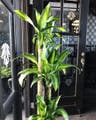










 Similar to West Indian Tufted Airplant
✨ Discover rare plants

Christmas Candle

Anthurium papillilami…

Thelocactus macdowell…
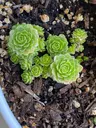
Rosularia platyphylla

Philodendron 'Glorius'

Pine Cone Plant

Scindapsus pictus 'Si…
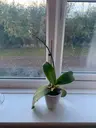
White Apple Moth Orch…

Crassula 'Calico Kitt…

Munstead Lavender

Milky Widow's Thrill

Raphionacme flanaganii

Ace of Spades
Hoya crassipetiolata

Rhipsalis clavata

Euphorbia

Hoya fitchii
