
Yertchuk
Taxonomy

Eucalyptus consideniana
Eucalyptus
Myrtaceae
Myrtales

How to care for Yertchuk
How often to water your Yertchuk

every 9
Yertchuk needs 0.5 cups of water every 9 when it doesn’t get direct sunlight and is potted in a 5" pot.
Use our water calculator to personalize watering recommendations to your environment or download Greg for more advanced recommendations for all of your plants.
Water 0.5 cups every
9
Finding light for Yertchuk in your home

a window
Yertchuk love being close to bright, sunny windows 😎.
Place it less than 1ft from a south-facing window to maximize the potential for growth.
Yertchuk does not tolerate low-light 🚫.
Select your region to see how the current weather in your area affects the placement of Yertchuk in your home 🏡.
How to fertilize Yertchuk

Most potting soils come with ample nutrients which plants use to produce new growth.
By the time your plant has depleted the nutrients in its soil it’s likely grown enough to need a larger pot anyway.
To replenish this plant's nutrients, repot your Yertchuk after it doubles in size or once a year—whichever comes first.
-
Why my silver dollar tree got crusty? #SilverDollarTree
-
Losing leaves #SilverDollarTree
-
#Eucalyptus I bought him 3 weeks ago and he’s gone crispy! His soil is wet and he’s in bright indirect light south facing window. How can I help him?
-
The plant leaves are drying after I kept the pot in sun for couple of hours. #SilverDollarTree
-
Why is my eucalyptus dying? #SilverDollarTree
-
I have red leaves on my eucalyptus? I had it 4 years this is new #SilverDollarTree
-
I found little clear larvae in my baby tree. Any natural pesticide suggestions that will get rid of them?
-
Sick Tasmanian blue gum Its leaves are curly, have yellow spots and I see some webs around the leaves, could it be spider mites? And what to do if my plant it really young?
-
What happened? Bought this 3 weeks ago. I repotted using the soil it came in 1 week ago. Three days after that it started getting crunchy and dry fast! I watered some even though the meter said it was fine. #SilverDollarTree
-
The leaves feel brittle and faded but not falling #SilverDollarTree


Care Summary for Yertchuk
Yertchuk
 Greg recommends:
 Water
Water
0.5 cups every 9 days
 Placement
< 1ft from a window
 Nutrients
Repot after 2x growth
Based on the 4” pot your plant is in, and that it doesn’t get direct sunlight.
 Trending in your area
Neon Pothos

String of Hearts

Pincushion Peperomia

Satin Pothos
Pinstripe Calathea

Rattlesnake Plant
Purple Shamrocks
Bunny Ears Cactus

Cylindrical Snake Pla…
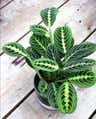
Green Prayer Plant

Moon Cactus
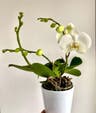
Phalaenopsis Orchid
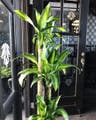
Cornstalk Dracaena

Window Leaf
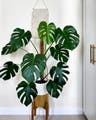
Monstera

Tradescantia Nanouk
Triostar Stromanthe

Pearl Echeveria
 Similar to Yertchuk

✨ Discover rare plants

Vatricania guentheri

Haworthia emelyae com…

Aeonium 'Blushing Bea…

Pink Ruby Sedevaria

Betel

Starfish Snake Plant
Philodendron 'Gabby'

Radiator Plant

Euphorbia

Stomatium acutifolium

Ceropegia simoneae

Aglaonema Spitfire

Scindapsus pictus 'Si…

Hoya kalimantan
Thelocactus macdowell…

Variegated Arrowhead …
