

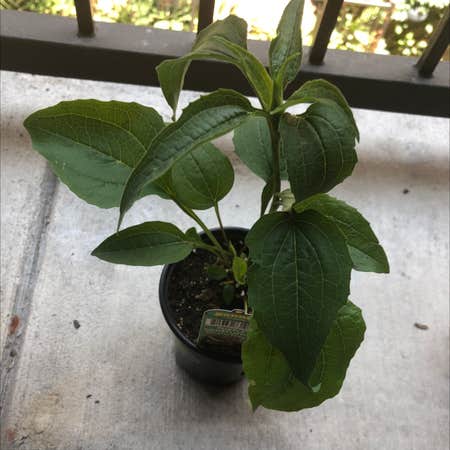


Purple Coneflower

4.1 out of 5 (7 experiences)
 Blooms easily
 Fast grower
About Purple Coneflower
Purple Coneflower is a super popular houseplant 🌿 that is easy to grow and needs regular watering to thrive. They do best in long-lasting, direct light ☀️ and should be less than 1 foot from a window.
Plant parents describe this plant as easy to bloom and a fast grower with a whopping 1307 being grown with Greg around the world. Check out the reviews below for more details!🌟
Purple Coneflower likes soil that is well draining. Your plant shouldn't need added fertilizers if you repot each time it doubles in size.
Purple Coneflower belongs to the Echinacea genus, and is native to North America.
Taxonomy

Echinacea purpurea
Echinacea
Asteraceae
Asterales
Also known as
Eastern purple coneflower, Hedgehog coneflower and White Coneflower

How to care for Purple Coneflower
How often to water your Purple Coneflower

every 9
Purple Coneflower needs 0.5 cups of water every 9 when it doesn’t get direct sunlight and is potted in a 5" pot.
Use our water calculator to personalize watering recommendations to your environment or download Greg for more advanced recommendations for all of your plants.

Water 0.5 cups every
9
Finding light for Purple Coneflower in your home

a window
Purple Coneflower love being close to bright, sunny windows 😎.
Place it less than 1ft from a south-facing window to maximize the potential for growth.
Purple Coneflower does not tolerate low-light 🚫.
Select your region to see how the current weather in your area affects the placement of Purple Coneflower in your home 🏡.
How to fertilize Purple Coneflower

Most potting soils come with ample nutrients which plants use to produce new growth.
By the time your plant has depleted the nutrients in its soil it’s likely grown enough to need a larger pot anyway.
To replenish this plant's nutrients, repot your Purple Coneflower after it doubles in size or once a year—whichever comes first.
-
Is it getting too much water or transplant shock? #PurpleConeflower
-
My coneflowers are back from the dead! 🎉
-
I thought all of the blooms from my coneflower would be orange, but now I’m getting pink flowers 🤯 I’m certainly not complaining.. the flowers are beautiful! #HappyPlants #PlantsMakePeopleHappy #PlantAddict #NewGrowth #PlantTherapy #PlantShelfie #FloweringPlants
-
First flower!! it’s growing so fast 🥰
-
Hello there 🌸 My coneflower this morning 💓 #Happyplant #PlantLife
-
New pots! also rollypollies and worms!
-
Do I need a bigger pot? I have 3 sunflowers in one pot as well as some purple conflowers and daisies in other pots. They aren’t adults yet. There are a lot of roots at the bottom of all the pit. Is this a sign that I need to replant in bigger pots? #Sunflower #PurpleConeflower #Daisy
-
Browning leaf Is this sunburn? Or is it overwatering?


Care Summary for Purple Coneflower

Purple Coneflower
 Greg recommends:
 Water
Water
0.5 cups every 9 days
 Placement
< 1ft from a window
 Nutrients
Repot after 2x growth
Based on the 4” pot your plant is in, and that it doesn’t get direct sunlight.
What other plant parents say
Blooms easily 5
Fast grower 5
 Survivor 4
 Large, lush leaves 2
 Easy to propagate 1
 Pest magnet 1
 Browns easily 1


 07/07/2021
Love this beautiful flower. Easy to grow and it’s a perineal.
Blooms easily


 03/04/2021
It’s a finicky little plant if you’re growing it from seedlings, mine keep dying by ridiculous circumstances like change of weather, too-little or too much sunlight or the seeds in general
Fast grower
Pest magnet
Browns easily
 Trending in your area














 Similar to Purple Coneflower
✨ Discover rare plants

Tillandsia caerulea A…

Anastasia Weeping Fig

Blue Moon Wisteria

Electric Blue Gecko

Rhipsalis clavata
Skeleton Key Pothos

Philodendron 'Glorius'

Euphorbia

Crassula 'Purple Drag…

Graptoveria 'Douglas …

Anthurium 'Fantasy Lo…
Philodendron 'Gabby'

Hoya kalimantan

Cleistocactus icosago…

Echeveria Esther
Stanhopea tigrina
