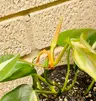
Purple Sensation
Also known as
Persian Onion
Taxonomy

Allium aflatunense
Allium
Amaryllidaceae
Asparagales

How to care for Purple Sensation
How often to water your Purple Sensation

every 9
Purple Sensation needs 0.5 cups of water every 9 when it doesn’t get direct sunlight and is potted in a 5" pot.
Use our water calculator to personalize watering recommendations to your environment or download Greg for more advanced recommendations for all of your plants.
Water 0.5 cups every
9
Finding light for Purple Sensation in your home

a window
Purple Sensation love being close to bright, sunny windows 😎.
Place it less than 1ft from a south-facing window to maximize the potential for growth.
Purple Sensation does not tolerate low-light 🚫.
Select your region to see how the current weather in your area affects the placement of Purple Sensation in your home 🏡.
How to fertilize Purple Sensation

Most potting soils come with ample nutrients which plants use to produce new growth.
By the time your plant has depleted the nutrients in its soil it’s likely grown enough to need a larger pot anyway.
To replenish this plant's nutrients, repot your Purple Sensation after it doubles in size or once a year—whichever comes first.
-
What kind of fertilizer do I use? #Garlic
-
Sorry I haven't posted in a long time... Anyway! I was thinking of using this onion that was sitting in my cupboards but then I decided to grow it. Yesterday it was really yellow and there was this bud in between them and it was pretty short. And today I went out and when out and when I came back IT HAD GROWN MORE! And a few hours later (which is now ) IT HAD GROWN EVEN MORE! I seriously don't know how it grows this fast. Anyway do guys have any tips on how to make Onichan have the best life ever?
-
When is the best time to transplant? #AutumnOnion
-
Setup update! 1.0 #SpringOnion #Placement #fridayvibes
-
Can I leave my plant like this until it produce leaves?
-
How do we find plant information on our plants? I just joined this app so I'm a bit clueless to how things work. How do we get information on the plants after we take pictures of them?
-
My garlic leave tips are all turning brown #Garlic
-
Why is the Wild Chives wilting away leaning over?
-
I thought this was a spider plant 🤷♀️. How do I take care of this plant and what am I doing wrong?
-
Why does this app say these are toxic? #WildChives I always thought these are not toxic but this app says they are. #EdiblePlants #GregGang


Care Summary for Purple Sensation

Purple Sensation
 Greg recommends:
 Water
Water
0.5 cups every 9 days
 Placement
< 1ft from a window
 Nutrients
Repot after 2x growth
Based on the 4” pot your plant is in, and that it doesn’t get direct sunlight.
 Trending in your area








 Similar to Purple Sensation
✨ Discover rare plants

Philodendron 'Glorius'

Fagraea ceilanica

Kilimanjaro Plant
Crassula 'Calico Kitt…
Chinese Evergreen 'Ga…

Hoya sipitangensis

Euphorbia baioensis

Sedum 'White Diamond'

Raphionacme flanaganii
Rosularia platyphylla

Aloe 'Lavender Star'

Christmas Candle

Starfish Snake Plant
Philodendron 'Gabby'

Ruby Ball

Red Mistletoe Cactus
Skeleton Key Pothos